Whatsapp
  X
X  Mail
Mail  Copy link
 Our portfolio
Sustainable and innovative solutions to increase your crop yield
Explore our products


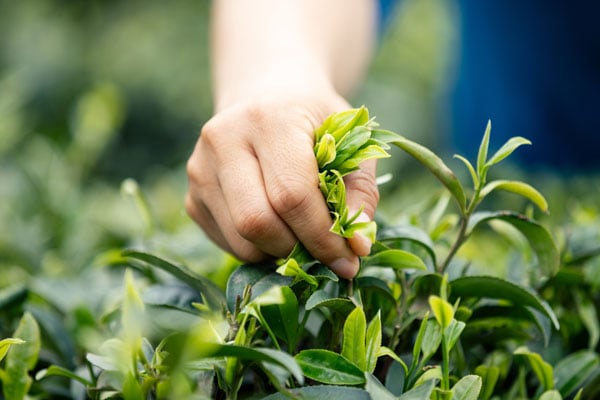
Beverage crops are cultivated for drinks and include mainly tea, coffee, cocoa, barley, and hops. They are important for farmers, food industries, and global trade. They are also key sources of income in many regions and have strong cultural value. These crops are usually grown as cash crops, meaning they are sold for profit rather than consumed locally.
These crops often need specific conditions to grow well—like warm climates, high altitudes, and rich, well-drained soils. They also require a lot of manual labor, especially during harvesting.
Stimulant crops are plants that produce bioactive compounds – primarily alkaloids – that stimulate the central nervous system, enhancing alertness, reducing fatigue, and sometimes elevating mood. These crops are widely used in beverages, confections, and traditional medicine across cultures.
These crops are widely consumed and traded around the world, and they are part of many daily routines and cultural practices.
Some crops like coffee, tea, and cocoa fit into both categories. But not all beverage crops are stimulants, and not all stimulants are used in drinks. There are differences:
| Beverage Crops | Stimulant Crops | |
|---|---|---|
| Main Use | used to make drinks | used to provide stimulation |
| Examples | tea, coffee, cocoa, barley, hops | tea, coffee, cocoa, tobacco |
| Unique to category | barley, hops | tobacco |
Although beverage and stimulant crops like coffee, tea, and cocoa occupy far less acreage than staple crops such as wheat, rice, and maize, their impact on global agriculture is disproportionately large. These crops are economic lifelines for millions of smallholder farmers, particularly in tropical regions, and serve as top export earners for countries like Ethiopia, Sri Lanka, and Ghana. Coffee alone supports over 25 million farmers and ranks among the most traded commodities globally, second only to oil. Meanwhile, the cocoa industry was valued at over $48 billion in 2022, driven by rising global demand. Unlike staple crops that feed populations, beverage and stimulant crops fuel economies, shape cultural identities, and sustain livelihoods, making them indispensable in a different but equally vital way.
Beverage and stimulant crops are essential to agriculture and everyday life. They are grown for drinks, energy, and tradition, and at the same time they support millions of farmers and workers worldwide. Whether it is tea from Assam, coffee from Brazil, or hops from the Czech Republic, these crops connect people across cultures and continents.