

 Whatsapp
  X
X  Mail
Mail  Copy link
 Our portfolio
Sustainable and innovative solutions to increase your crop yield
Explore our products


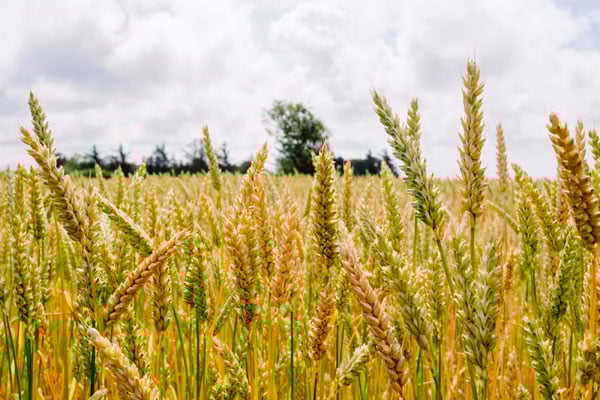
Botanically classified under the Poaceae family, cereals are grown for their dry seeds, commonly referred to as grains, which are harvested and processed for food, feed, and a wide range of industrial applications.
What distinguishes cereals from other crop types, such as legumes or root vegetables, is their grain-based yield, their adaptability to large-scale mechanized farming, and their central role in global food security. These crops are typically annual grasses, meaning they complete their life cycle in one growing season, and they require strategic nutrient management to reach their full yield potential.
The most widely cultivated cereal crops include wheat, maize (corn), barley, rice, sorghum, oats, and millets. While each has unique agronomic characteristics and environmental preferences, they share common nutritional needs and growth patterns that can be optimized through tailored fertilization strategies.
Maize, also known as corn, is the world’s most produced cereal. It thrives in warm climates and is highly versatile -used for food, animal feed, biofuels, and industrial products. Its high-yielding potential and adaptability make it a cornerstone of modern agriculture. It is widely grown in both the Americas.
Rice is the staple food for more than half of the global population, especially in Asia. It grows best in flooded or irrigated fields and requires warm temperatures. Its cultivation is closely tied to cultural and economic systems in many regions.
Wheat is a cool-season cereal grown extensively in temperate regions. It is the primary ingredient in bread, pasta, and many baked goods, valued for its storability and protein content.
Barley is one of the oldest domesticated grains, valued for its resilience in poor soils and cooler climates. It is used in animal feed, food products, and brewing. Its short growing season makes it ideal for crop rotations.
Sorghum is a drought-tolerant cereal well-suited to arid and semi-arid regions. It is used for food, fodder, and bioenergy. Its ability to thrive in challenging environments makes it vital for food security in dryland farming systems, especially in Africa.
Oats are grown mainly in cooler climates and are known for their high fiber content and health benefits. They are used in breakfast cereals, animal feed, and increasingly in plant-based food products.
Millets are a group of small-seeded cereals that are highly resilient to drought and poor soils. Common in Africa and South Asia, they are gaining renewed attention for their nutritional value and climate-smart farming potential.
Grown everywhere in the world, cereals are a very diverse group with different requirements concerning climates and soils. The table below shows a comparative overview of the most common cereal crops:
| Crop | Climate Needs | Soil Type |
|---|---|---|
| Maize | Warm, moderate rainfall | Well-drained loam |
| Rice | Warm, humid, flooded | Clay/silt, water-retentive |
| Wheat | Temperate, dry | Loamy, neutral pH |
| Barley | Cool, semi-arid | Sandy loam |
| Oats | Cool, moist | Well-drained loam |
| Sorghum | Hot, drought-tolerant | Sandy or loamy soils |
| Millets | Hot, dry | Poor, sandy soils |
ICL’s innovative nutrition solutions are designed to meet the evolving needs of cereal crops throughout their growth cycle:
Timing is critical. Cereal crops have distinct nutrient uptake peaks that must be matched with fertilization timing:
Cereal crops are fundamental to global agriculture, nutrition, and economic stability. Their success depends not only on climate and soil conditions but also on strategic nutrient management tailored to crop-specific needs. With ICL’s innovative fertilizer technologies and expert support, growers can unlock the full potential of cereals, achieving higher yields, better grain quality, and sustainable production.


