


 Whatsapp
  X
X  Mail
Mail  Copy link
The groundbreaking total range of water-soluble straight fertilizers
Brand details NovaGrowing Kiwi crop nutrition advice
Everything you need to know about kiwi fertilization, best practice, field trials, and more.
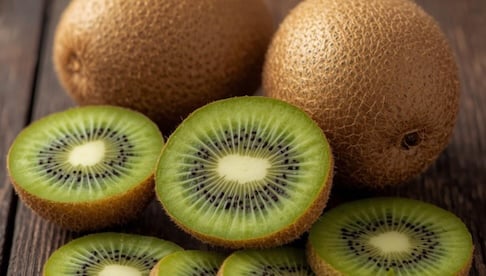
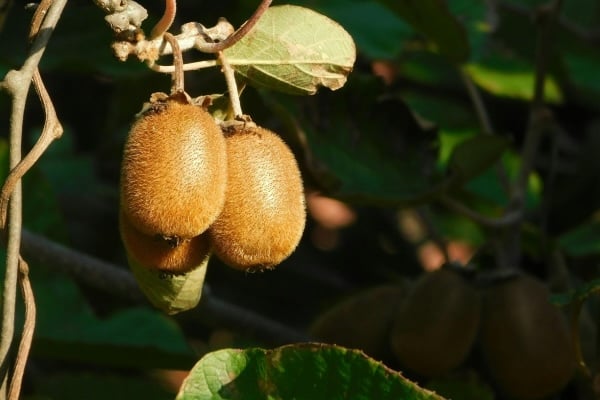
Kiwi production depends on precise nutritional management to balance strong vegetative growth with consistent flowering, fruit set, and fruit quality. Key priorities include nitrogen control, adequate potassium and calcium supply, and timely micronutrient availability- especially boron, zinc, and iron. The main risks growers face are excessive vigor, nutrient imbalances leading to poor fruit firmness or storage quality, and deficiencies driven by soil pH or root activity constraints. This guide supports growers’ decisions on what nutrients to prioritize, when to apply them, and how to adapt nutrition strategies across growth stages and conditions.
Introduction
Kiwi, Actinidia deliciosa (green) and Actinidia chinensis (gold), is a perennial vine fruit native to China, domesticated and commercialized mainly in New Zealand, Italy, Chile, and China. It belongs to the family Actinidiaceae and genus Actinidia. The plant is dioecious, requiring male and female vines for pollination, and is highly sensitive to climatic and nutritional conditions affecting yield and fruit quality.
Global production exceeds 4.3 million tons annually, with China (2.2 Mt), Italy (0.5 Mt), New Zealand (0.4 Mt), and Chile (0.3 Mt) leading (FAOSTAT, 2023).
Typical yields range from 15–30 t/ha in open-field systems and 25–45 t/ha in protected systems under fertigation.
Kiwi fruits are valued for their high vitamin C, potassium, and antioxidant content, and are consumed fresh or processed (juices, purees, dried snacks).
Major cultivation challenges include susceptibility to frost and heat stress, Phytophthora root rot, bacterial canker (Pseudomonas syringae pv. actinidiae),
and nutrient imbalance causing chlorosis, fruit deformities, or low dry matter content.
Plant Growth Environment
Soil requirements
Kiwi prefers deep, well-drained loam soils rich in organic matter and slightly acidic conditions.
Poor drainage and salinity can induce root asphyxia and iron/manganese imbalances.
Avoid compacted soils; raised beds or ridging improve root aeration, particularly in greenhouse systems.
Climate
Optimal conditions include mean temperatures of 15–25°C during the growing season, with indicative, cultivar specific winter chill requirements of green varieties between 800–1000 hours below 7°C. In subtropical climates, low-chill varieties (e.g. ‘Golden Kiwi’ – A. chinensis) are preferred, requiring only 400–600 chill hours. Windbreaks are essential to protect tender shoots.
Water management
Annual crop water requirement is approximately 700–1,000 mm (open field) and 500–800 mm (protected) Kiwi is salt sensitive so use low salinity water.
Kiwi has shallow roots concentrated in the upper 40 cm; hence, frequent irrigation and fertigation are recommended.
Avoid prolonged water stress or waterlogging, both of which impair root function and fruit set.
Nutrient Roles, Deficiency and Excess Symptoms
Kiwi has high nutrient demands due to vigorous vegetative growth and large leaf area. Balanced fertilization is critical to achieve high yields and maintain fruit firmness, sweetness, and storage potential.
Macronutrients and Micronutrients:
This table summarizes the role of each macro- and micronutrient in kiwi nutrition and the typical symptoms that may indicate a deficiency or imbalance.| Nutrient | Role in Plant | Deficiency Symptoms | Excess Effects |
|---|---|---|---|
| Nitrogen (N) | Supports canopy growth and fruit set. | Small pale leaves, delayed flowering. | Reduces dry matter content and delays maturity, indirectly reducing sweetness and firmness at harvest |
| Phosphorus (P) | Promotes root growth and early flowering. | Weak rooting, poor fruit set. | Imbalances with Zn and Fe uptake. |
| Potassium (K) | Enhances sugar transport, fruit size, color. | Marginal chlorosis, soft fruits. | Antagonizes Mg and Ca uptake. |
| Calcium (Ca) | Improves firmness, shelf life. | Tip burn, soft fruit flesh. | Low mobility; rarely toxic. |
| Magnesium (Mg) | Supports chlorophyll and photosynthesis. | Interveinal chlorosis on older leaves. | Competes with Ca uptake when high. |
| Sulfur (S) | Protein synthesis, enzyme activation. | Uniform yellowing of younger leaves. | Rare under normal management. |
| Boron (B) | Flowering and fruit set. | Poor pollination, fruit deformities. | Toxic at >80 ppm leaf tissue. |
| Zinc (Zn) | Shoot elongation and leaf development. | Small leaves, shortened internodes. | Toxic above 150-200 ppm. |
| Iron (Fe) | Chlorophyll formation. | Interveinal chlorosis in young leaves. | Common, often induced in calcareous soils and high pH. |
| Manganese (Mn) | Enzyme activation, photosynthesis. | Leaf mottling, necrotic spots. | Toxic in acidic soils. |
Key takeaways:
Balanced macro-nutrient supply supports both canopy development and fruit formation.
Micronutrients are required in small amounts but have a critical impact on flowering, fruit set, and vine health.
Deficiency symptoms often appear before yield or quality losses are measurable.
Nutrient–Quality Interactions:
This table explains how individual nutrients influence key kiwi fruit quality parameters such as size, firmness, sugar accumulation, and storage potential.| Nutrient | Quality Effect | Mechanism | Risk of Excess |
|---|---|---|---|
| N | Increases fruit size but reduces firmness and sweetness. | Enhances vegetative vigor. | Soft fruit, delayed maturity. |
| K | Improves sweetness, TSS, and color. | Promotes sugar transport and enzyme activity. | May reduce Ca and Mg uptake. |
| Ca | Increases firmness and storability. | Strengthens cell walls. | Limited mobility, leaf tip burn if foliar overused. |
| B | Improves seed and fruit set. | Enhances pollen tube formation. | Toxic if >80 ppm leaf tissue. |
| Zn | Enhances fruit skin quality and shoot vigor. | Stimulates auxin production. | Leaf burn if foliar too concentrated. |
Key takeaways:
Potassium plays a central role in fruit size and soluble solids development.
Calcium is closely linked to fruit firmness and post-harvest performance.
Nutrient imbalances can negatively affect quality even when yields appear acceptable.
Nutrients Removed per Ton of Fruit (kg)
| NUTRIENT ELEMENT | NUTRIENTS REMOVED PER TON OF FRUIT (KG) | EXPLANATION |
|---|---|---|
| Nitrogen (N) | 4.0 - 6.0 | Relatively high demand, but excess can lead to excessive vegetative growth, reduced fruit quality, and weakened stress resistance. Requires staged application. |
| Phosphorus (P₂O₅) | 1.0 - 2.0 | Relatively low demand, but crucial for energy metabolism, fruit set, and root development. |
| Potassium (K₂O) | 5.0 - 7.0 (or higher) | Highest demand element! Critically impacts fruit enlargement, quality (sweetness, flavor, storability). |
| Calcium (CaO) | 3.0 - 5.0 | Very high demand, often underestimated! Essential for cell wall structure, fruit firmness and reducing physiological disorders. |
| Magnesium (MgO) | 0.5 - 1.5 | Moderate demand. Core component of chlorophyll, affecting photosynthesis. Deficiency causes yellowing of older leaves. |
| Sulfur (S) | 0.3 - 0.8 | Relatively low demand. Component of certain amino acids and proteins. Usually supplemented via sulfur-containing fertilizers. |
Key takeaways:
Harvested fruit removes significant quantities of potassium and nitrogen from the orchard.
Replacement fertilization should account for both yield level and nutrient removal rates.
Ignoring nutrient removal can gradually reduce soil fertility and long-term productivity.
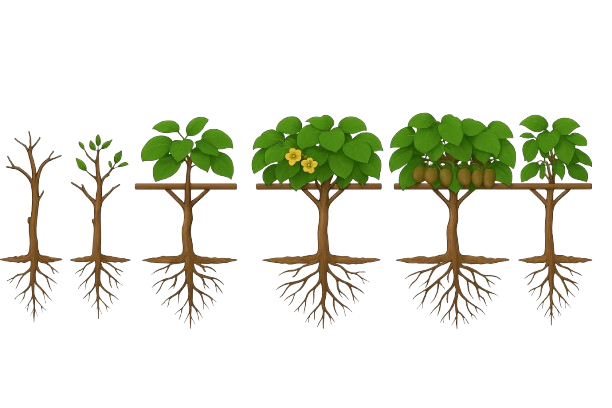
Growth Stages and Nutritional Needs
Nutrient demand varies significantly with phenological stages. The following table summarizes nutrient emphasis by stage under both open-field and protected systems.
This table links each major kiwi growth stage with its corresponding nutritional priorities, supporting stage-specific fertilizer planning.
| Growth Stage | Key Nutrients | Application Method | Objective |
|---|---|---|---|
| Bud break – early shoot growth | N, P, Ca | Soil / fertigation | Stimulate canopy and root growth. |
| Flowering – fruit set | B, Zn, Ca, K | Foliar + fertigation | Improve pollination, fruit set, and fruitlet retention. |
| Fruit enlargement – maturation | K, Ca, Mg, N | Soil + foliar | Enhance fruit size, TSS, firmness, and color. |
| Post-harvest – dormancy preparation | P, K, Zn, Ca | Soil + foliar | Replenish reserves and strengthen vines for next season. |
Recommended total nutrient application for 15–30 t/ha yield (open-field):
N = 120-180 kg/ha; P₂O₅ = 60–120 kg/ha; K₂O = 250–400 kg/ha; CaO = 100–150 kg/ha; MgO = 40–80 kg/ha; B = 1.0–2.0 kg/ha.
Generally, in the Chinese market, we always recommend the amount of nutrients (in kilograms) carried per ton of fruits.
Key takeaways:
Nitrogen demand is highest during early vegetative growth and should be reduced after fruit set.
Potassium and calcium requirements increase during fruit development and maturation.
Timely micronutrient availability before flowering is critical for successful fruit set.
This table shows the average amounts of nutrients removed from the field with each ton of harvested kiwi fruit, providing a basis for nutrient replacement strategies.
Sustainable and Precision Nutrition Practices
- Implement 4R stewardship principles (Right source, rate, time, place).
- Conduct soil and tissue testing twice per season (pre-bloom and pre-harvest).
- Use drip fertigation to enhance nutrient-use efficiency (>75%).
- Combine organic amendments (compost, manure) to improve soil structure.
Climate Change Impacts on Crop Nutrition
Rising temperatures shorten dormancy and alter flowering phenology. In low-chill zones, unbalanced bud break causes uneven yield.
Heat and VPD stress reduce calcium translocation and accelerate softening. Increased CO₂ may enhance vegetative growth but dilute nutrient concentration.
Adaptation strategies include shade nets, mulching and balanced Ca-K management to mitigate soft fruit.
The recommended per ton fruit application is a suggested minimum. Please adapt to local conditions, soil limitations and agronomic practices
References
- FAO. (2023). FAOSTAT statistical database. UN Food and Agriculture Organization.
- Kiwifruit Growers NZ. Kiwifruit Nutrition Guidelines.
- INRAE. Fruit Tree Nutrition in Temperate Systems.
- OSU Extension Services. (2025). Growing Kiwifruit.
- CSIRO. Nutrient Management for Subtropical Fruit Crops.
Guides & Articles
For more information
Q&A
Here are some frequently asked questions we received from farmers regarding growing Kiwi..
Use leaf analysis at 90–100 days after bud break; K < 1.2% indicates early deficiency.
Excess N or K reduces Ca mobility; foliar Ca sprays after fruit set are required.
At pre-bloom (0.2–0.3% boric acid) and again at fruit set to improve seed formation.
Use Fe-EDDHA chelate via fertigation (3–5 kg/ha) and maintain soil pH <7.2.
Maintain soil moisture, reduce canopy load, and supply balanced K:Ca ratio around 4:1.
Explore Kiwi Solutions by Brand
Find the right solutions to improve crop quality and yield

Unlock the potential of your crops with Bioz®
Brand details Bioz<sup>®</sup>
The four-in-one natural fertilizer
Brand details Polysulphate<sup>®</sup>
Elevate your crops with ICL BEOZ®
Brand details BEOZ<sup>®</sup>
Master your crop nutrition in any condition
Brand details Agromaster<sup>®</sup>The groundbreaking total range of water-soluble straight fertilizers
Brand details NovaUnlock the potential of your crops with Bioz®
Brand details Bioz<sup>®</sup>The four-in-one natural fertilizer
Brand details Polysulphate<sup>®</sup>Elevate your crops with ICL BEOZ®
Brand details BEOZ<sup>®</sup>Master your crop nutrition in any condition
Brand details Agromaster<sup>®</sup>Discover Our Solutions for Growing Kiwi
Kiwi Solutions: Increase Your Harvest


Nutrient & Unit Converter
Access calculators to improve nutrient management and boost productivity
More crops
Grow Better, Every Season


