Biostimulants are a diverse group of products used in turf management to support plant health, stress tolerance, and overall turf performance. Unlike traditional fertilizers, biostimulants work by stimulating natural plant and soil processes rather than simply supplying nutrients.
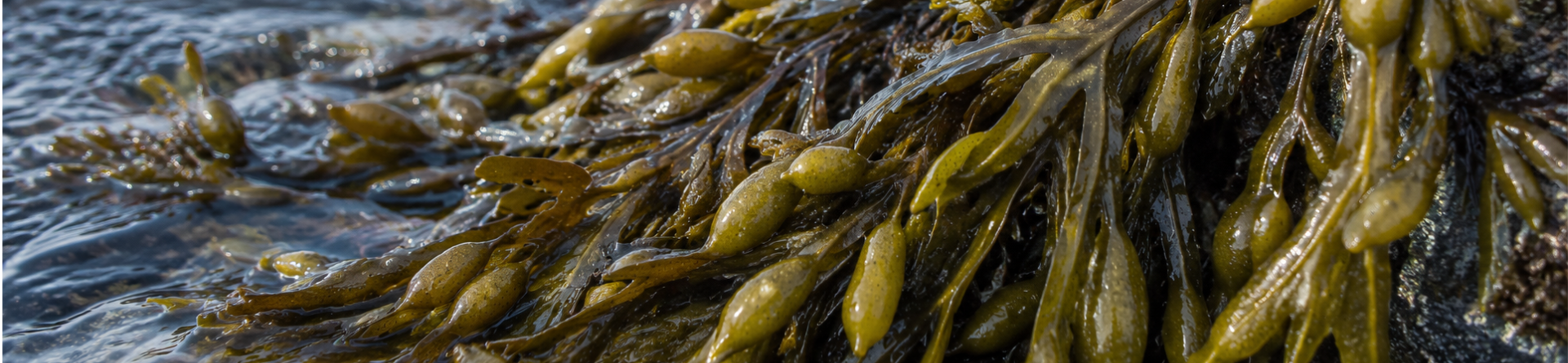
Biostimulants may contain ingredients such as amino acids, seaweed extracts, humic substances, organic compounds, microbial components, or other plant-derived materials that help support turfgrass growth and resilience under a wide range of conditions.
What are biostimulants?
Biostimulants are designed to support natural biological processes within the plant and rootzone. In turf management, they are commonly used to help improve turf quality, support root development, and assist turf during periods of environmental or management stress.
Modern turf managers often use biostimulants alongside nutrition and water management programs as part of an integrated turf maintenance strategy.
How biostimulants support turfgrass performance
One of the key functions of biostimulants is improving nutrient-use efficiency. This helps turfgrass utilize available nutrients more effectively, supporting healthier growth and more consistent turf performance.
Many biostimulant technologies also support root growth and root mass development, helping turfgrass access water and nutrients more efficiently from the soil profile.
Potential benefits of biostimulants in turf management may include:
- Improved nutrient-use efficiency
- Enhanced root development
- Better tolerance to environmental stress
- Improved turf color and visual quality
- Support during periods of drought or heat stress
- More consistent turf performance through challenging conditions
The effectiveness of biostimulants can vary depending on turf species, environmental conditions, application timing, and overall management practices.
Biostimulants and turf stress management
Environmental stresses such as drought, heat, cold, wear, low light, and disease pressure can significantly affect turf quality and recovery.
Biostimulants are often used to help support turfgrass during these periods by assisting natural plant processes linked to stress response and recovery. This can help turf maintain more consistent growth, color, and playing quality during difficult growing conditions.
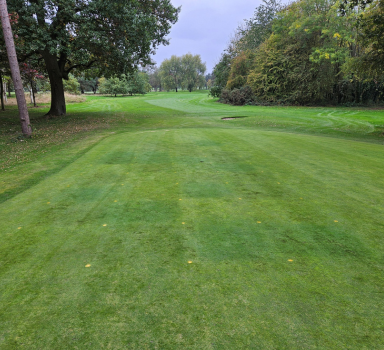
For sports turf and golf course management, maintaining turf performance during periods of stress is often a major focus of biostimulant programs.
Improving turf quality and root zone activity
In addition to plant-focused benefits, some biostimulant products may also help support biological activity within the root zone.
Supporting beneficial microbial activity can assist with organic matter breakdown and nutrient cycling within the soil, helping improve nutrient availability and overall rootzone function.
Turf managers may use biostimulants as part of broader programs aimed at improving:
- Turf density
- Surface uniformity
- Turf recovery
- Root health
- Overall plant vigor
Choosing the right turf biostimulant
Different biostimulant technologies are designed to support different turf management goals. Product selection should consider factors such as:
- Climate and environmental conditions
- Soil type and root zone construction
- Irrigation availability
- Stress pressures
- Seasonal growth patterns
- Overall turf management objectives
When used as part of a balanced turf management program, biostimulants can help support healthier, more resilient turf with improved consistency and recovery potential.


 Whatsapp
  X
X  Mail
Mail  Copy link