


 Whatsapp
  X
X  Mail
Mail  Copy link
 How to Recognize Nutrient Deficiencies in Ornamental Plants and How to Fix Them
When nutrients are lacking, plants lose both health and visual quality, reducing their commercial value.
On this page:
Plant growth imbalances can arise from many causes: root asphyxiation, tissue necrosis, excessive light, cold stress, or shifts in substrate pH. Nutrient deficiencies also strongly affect the final quality of ornamental crops. When growth becomes stunted or irregular, plants lose commercial value.
Which are the Deficiency Symptoms on Ornamental Plants
Plants require a balanced supply of macro‑, meso‑ and micro‑elements. Each nutrient plays a specific role in plant development, and all are essential. As Justus von Liebig’s Law of the Minimum states, the nutrient in shortest supply limits growth.
Nutrient deficiencies typically cause visible symptoms such as:
- marginal browning
- chlorosis
- discoloration
- reddening
Depending on which element is lacking, symptoms appear in different parts of the plant.
Where Nutrient Deficiencies Occur in a Plant
Deficiencies can affect leaves, roots, shoots, flowers, or the entire plant, depending on the mobility of the nutrient and the severity of the imbalance.
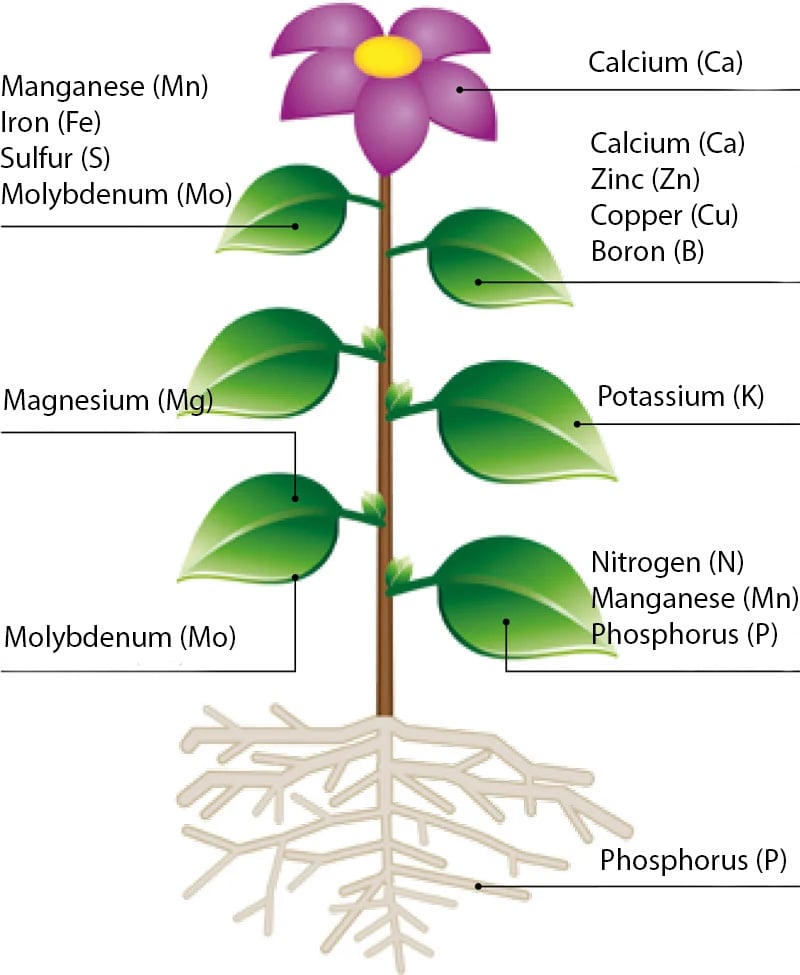
Main Consequences of Nutrient Deficiencies on Leaves, Roots and Flowers
Iron Chlorosis
This disorder causes leaf yellowing and reduced growth. Contrary to common belief, it is not caused by insufficient iron fertilization but by poor iron uptake. Preventing chlorosis requires optimal growing conditions, including correct substrate pH and regular soil and water analysis.
Leaf Yellowing
Leaves may turn yellow due to deficiencies of nutrients other than iron, such as copper, nitrogen, sulfur, or zinc. Depending on the missing element, yellowing may appear between the veins of older leaves, on young apical leaves, or start from the oldest foliage.
Leaf Necrosis
Leaf necrosis involves irreversible damage to leaf margins, where tissue dies and turns brown. These symptoms are often described as “leaf burn.”
Leaf Curl
Deficiencies of magnesium, potassium, calcium, or molybdenum can cause leaves to curl upward along the edges and remain smaller than normal. In severe cases, premature leaf drop may occur.
Leaf Deformation
Lack of nutrients such as zinc or calcium can lead to distorted leaves with irregular margins, rippling, or abnormal shapes. Overall plant development becomes uneven.
Leaf Drop
Severe deficiencies, especially of iron or magnesium, can cause premature leaf fall, starting with the oldest leaves. Excessive defoliation significantly reduces plant quality.
Reduced Root System
Some nutrient deficiencies directly limit root growth. A poorly developed root system weakens the plant and increases susceptibility to stress and disease.
How Nutrient Deficiencies Manifest
Below is an overview of the main nutrients and their deficiency symptoms.
Nitrogen (N)
A key component of chloroplasts and proteins; essential for vegetative growth.
Symptoms:
- pale green or yellow older leaves, sometimes with spots
- reduced shoot growth
- increased root growth relative to shoots
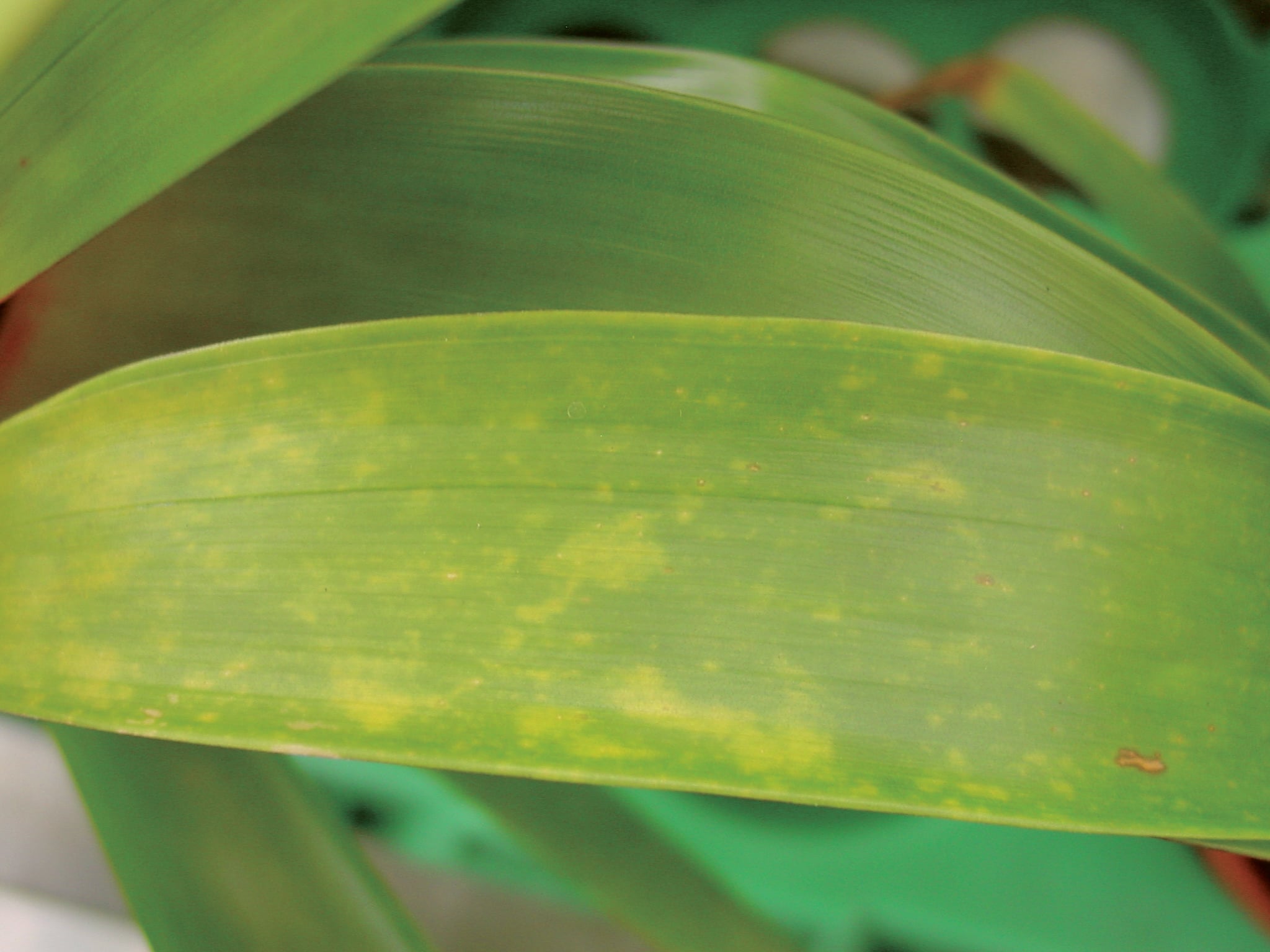
Guzmania ‘Ostara’ showing nitrogen deficiency symptoms
Learn more about nitrogen deficiency in plants
Phosphorus (P)
Important for cell structure, bud and seed formation, and energy transfer. It stimulates root growth and is important for energy processes in the plant.
Symptoms:
- poor root development
- reddish, green, or purple discoloration of older leaves
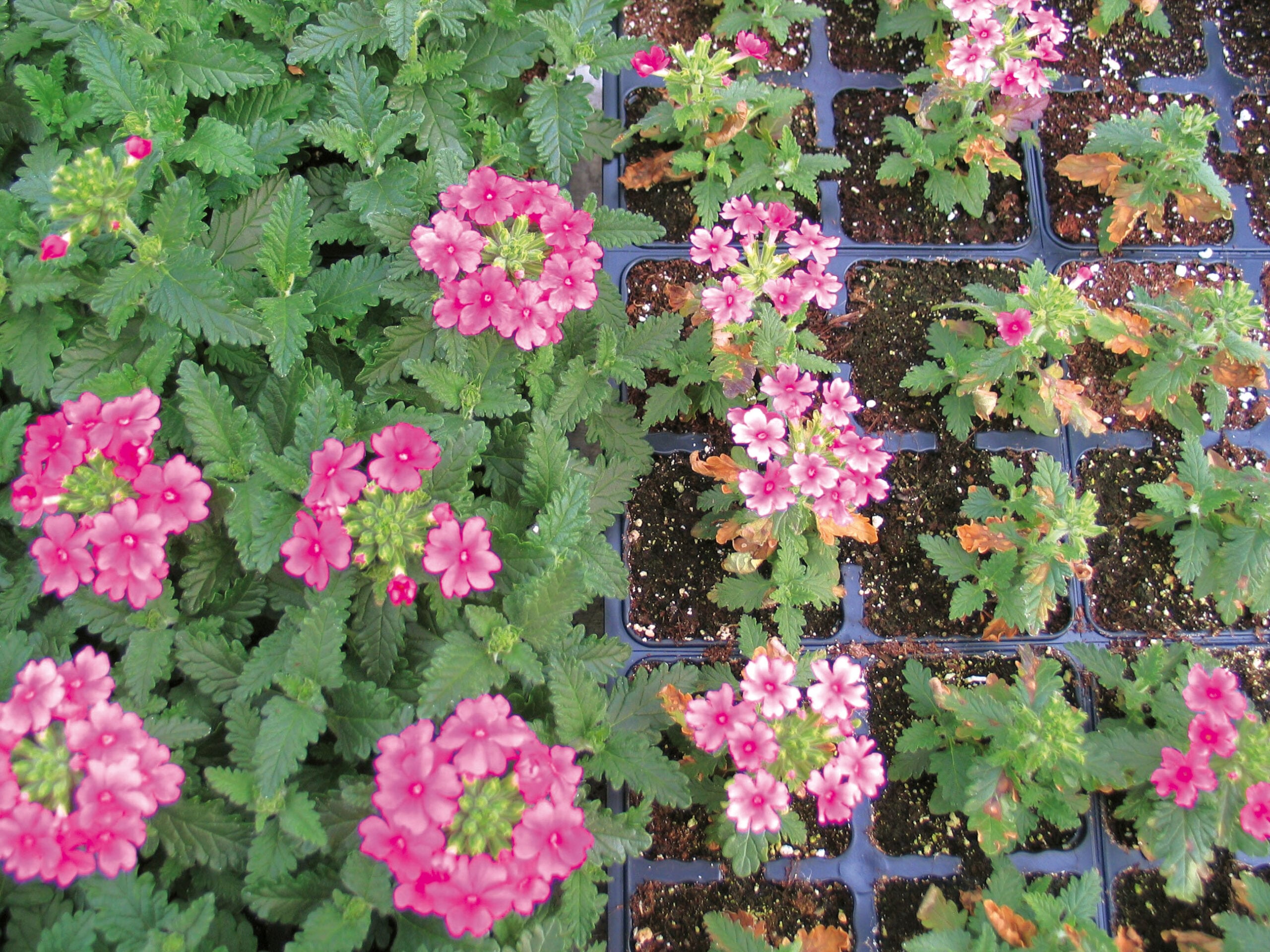
Verbena displaying phosphorus deficiency symptoms
Learn more about phosphorus deficiency in plants
Potassium (K)
Regulates stomatal function and plays various roles within the plant’s metabolic processes; it strengthens cell structure.
Symptoms:
- growth inhibition
- wilting under dry conditions
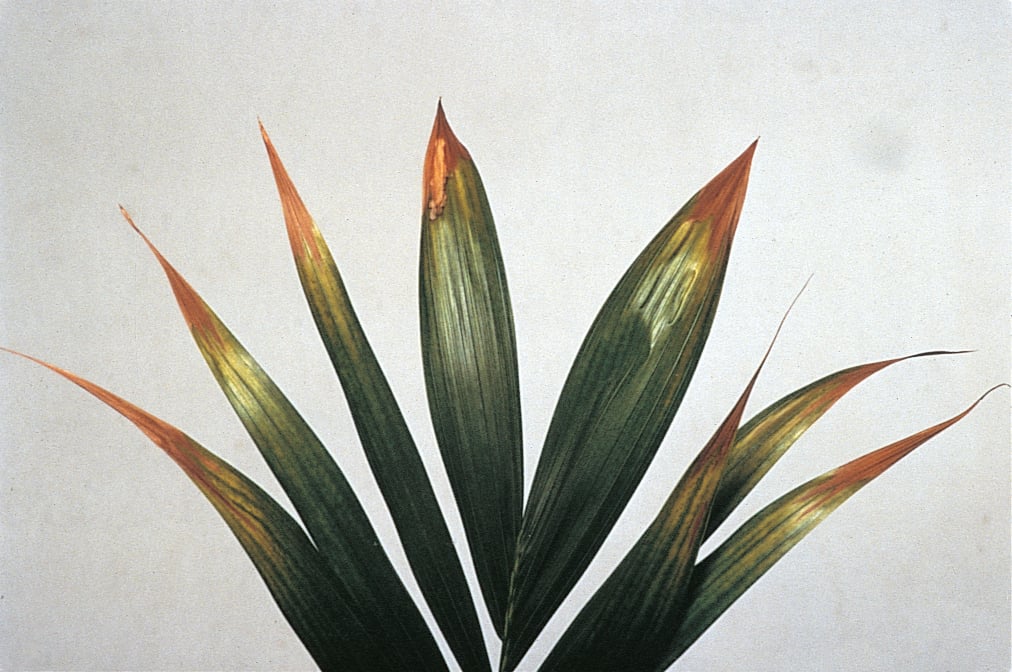
Kentia palm affected by potassium deficiency
Learn more about potassium deficiency in plants
Magnesium (Mg)
A component of chlorophyll and key enzymes.
Symptoms:
- yellowing of older leaves starting at the margins, with veins remaining green
- eventual chlorosis of young leaves if deficiency persists
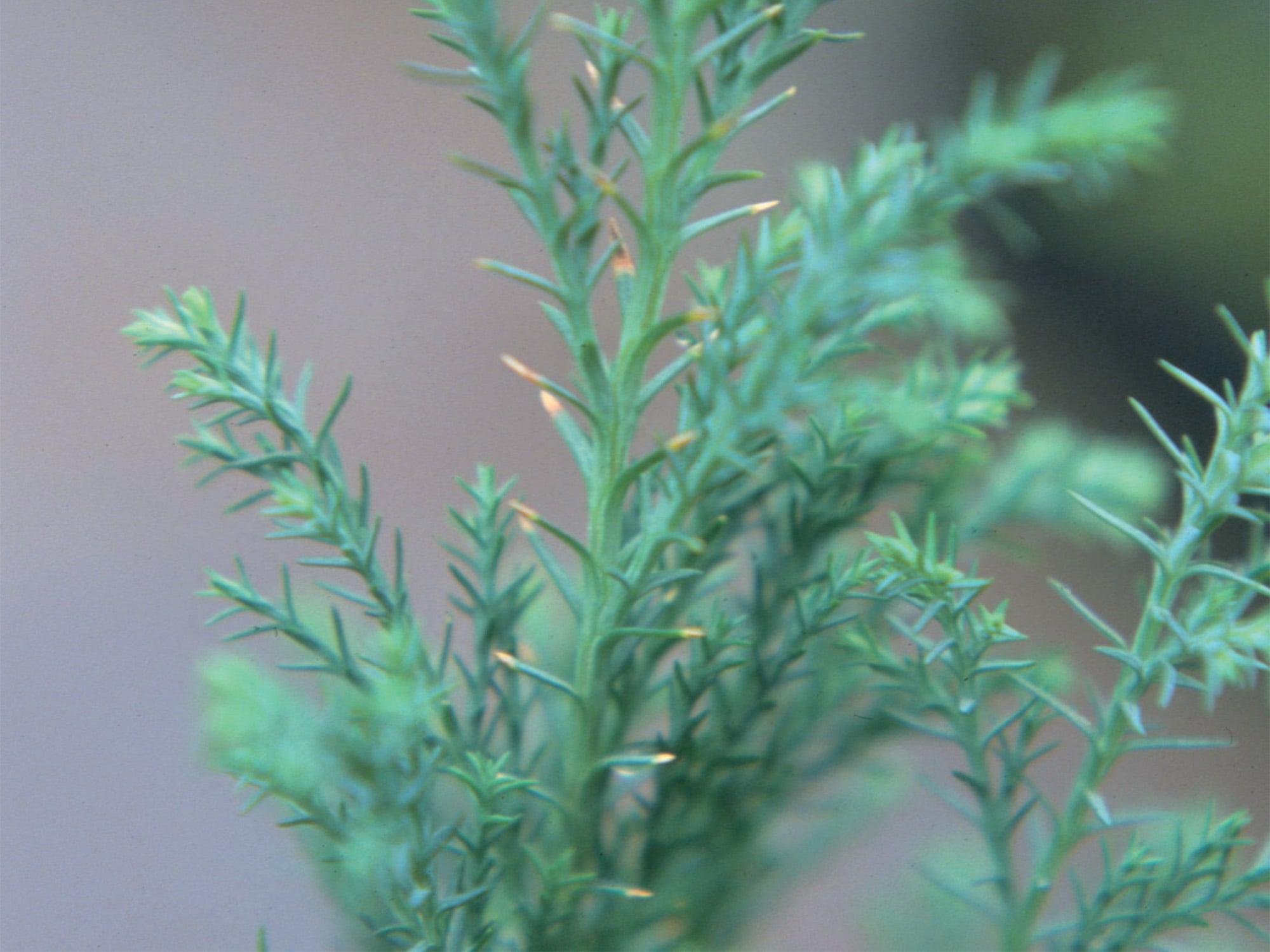
Chamaecyparis lawsoniana showing magnesium deficiency symptoms
Learn more about magnesium deficiency in plants
Calcium (Ca)
Essential for cell walls and membrane stability.
Symptoms:
- reduced transpiration
- glassy spots on young leaves, flowers, or fruits
- marginal necrosis
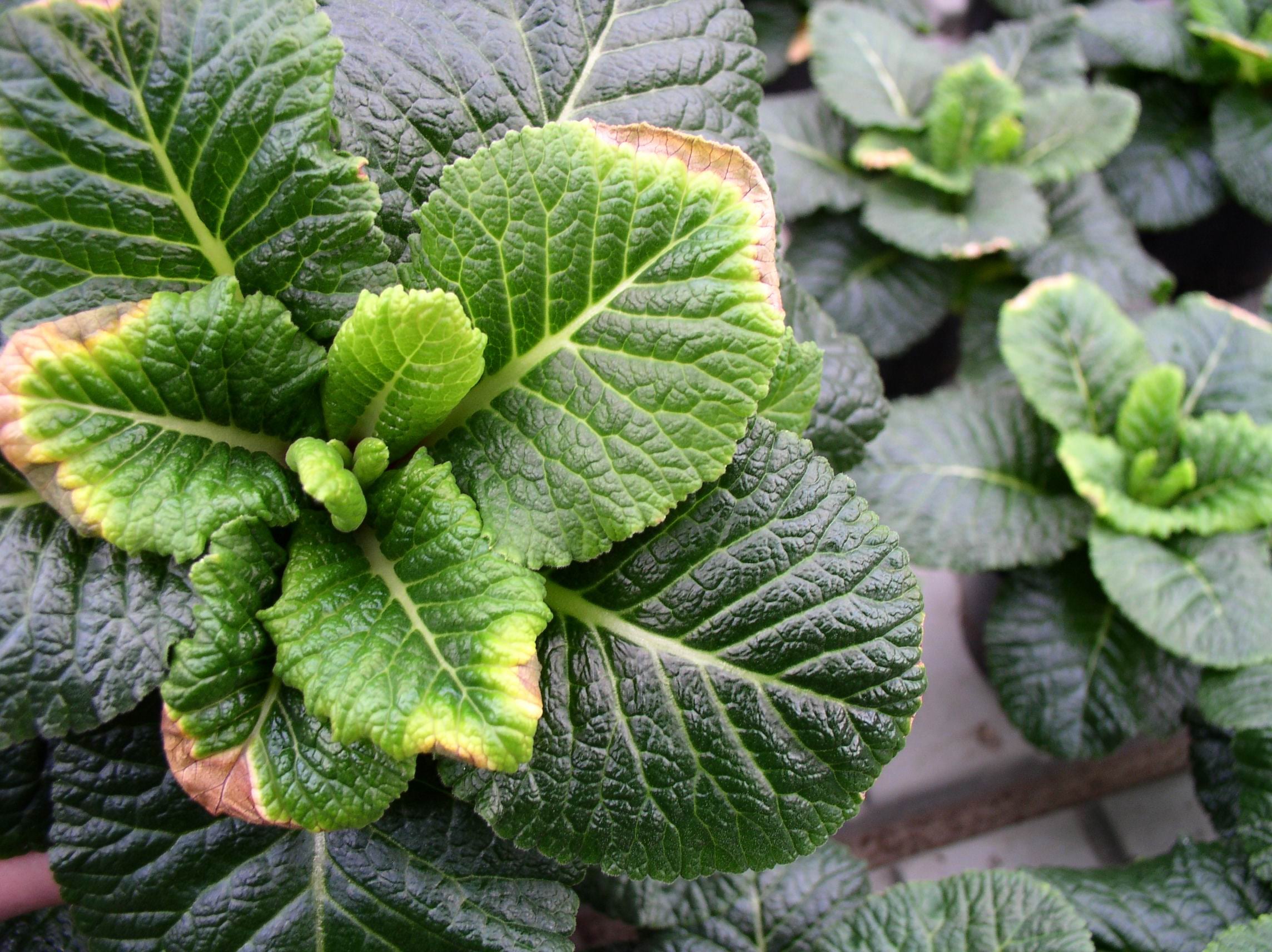
Primula exhibiting calcium deficiency symptoms
Learn more about calcium deficiency in plants
Sulfur (S)
Component of proteins and vitamins; supports root growth and plant vigor. It contributes to the olfactory characteristics of the plant.
Symptoms:
- yellowing of young leaves, later spreading to the whole plant
- reduced growth
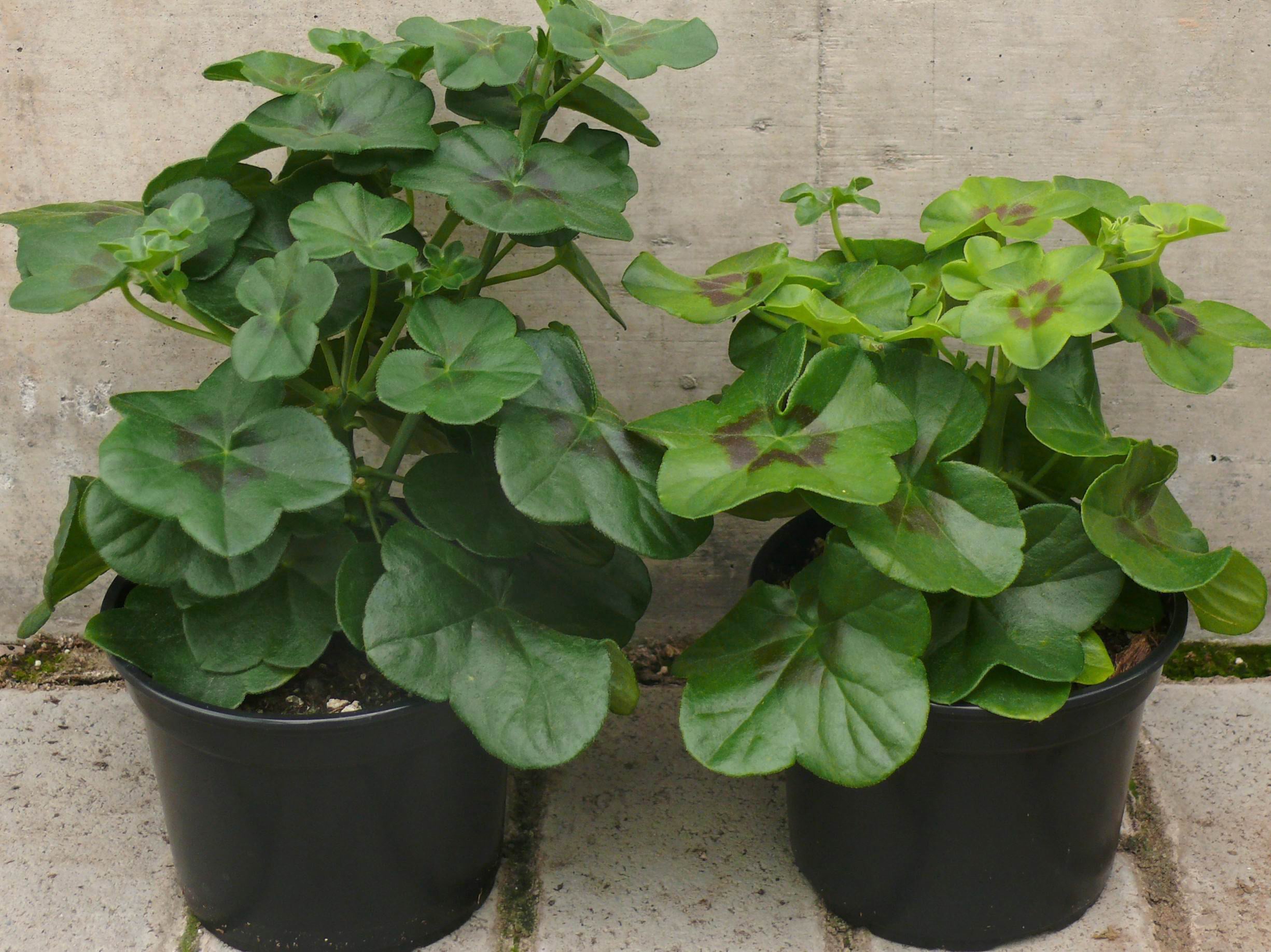
Pelargonium showing sulfur deficiency symptoms
Learn more about sulfur deficiency in plants
Iron (Fe)
Required for chloroplast formation and photosynthesis; supports root growth.
Symptoms:
- interveinal chlorosis of young leaves, progressing from light green to yellow or white
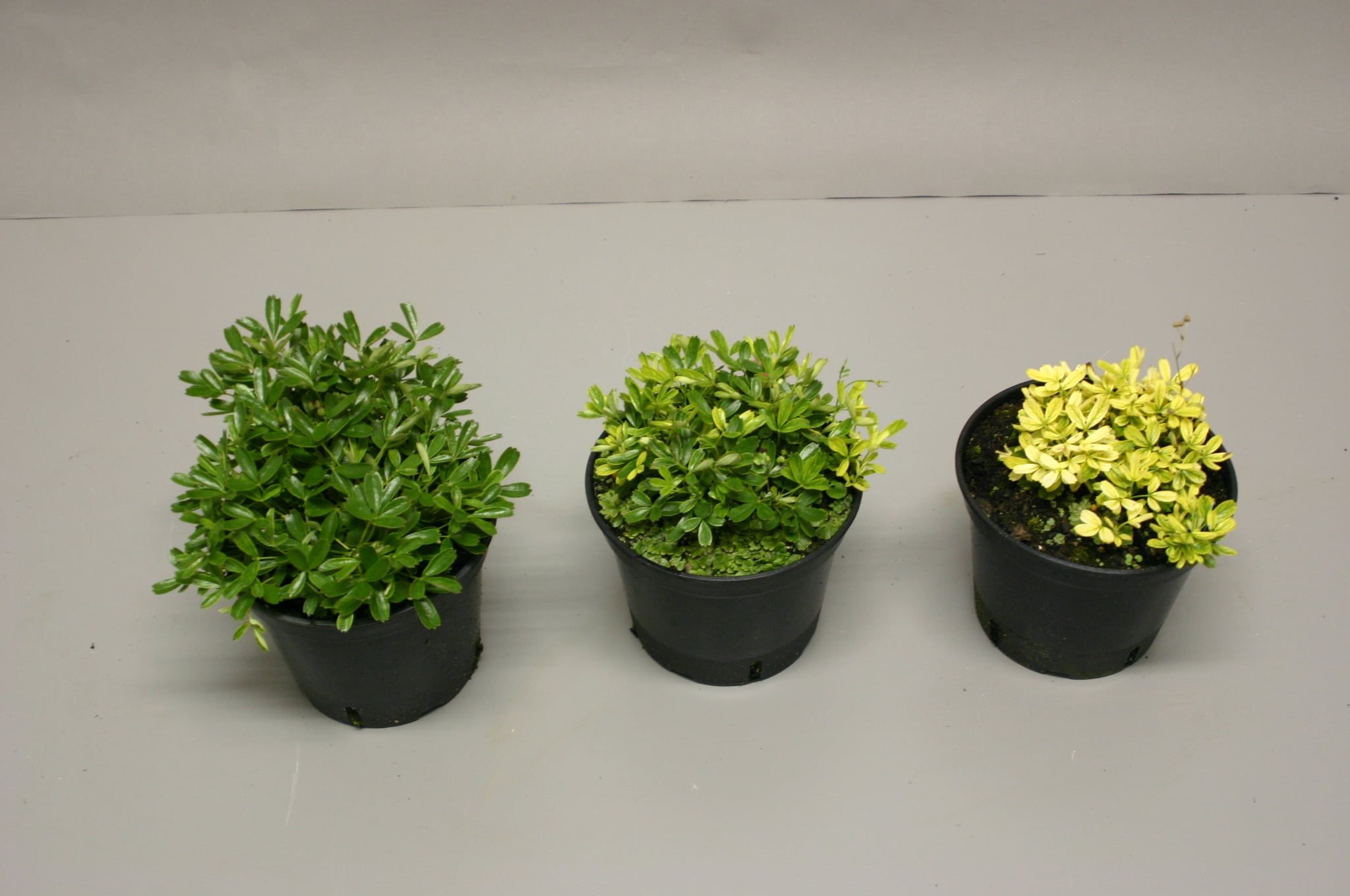
Potentilla showing iron deficiency (interveinal chlorosis)
Learn more about iron deficiency in plants
Copper (Cu)
Important for photosynthesis, vitamin formation, and lignification.
Symptoms:
- necrosis of buds, meristems, shoots, and leaves
- excessive branching due to loss of apical dominance
- yellowing or curling of young leaves
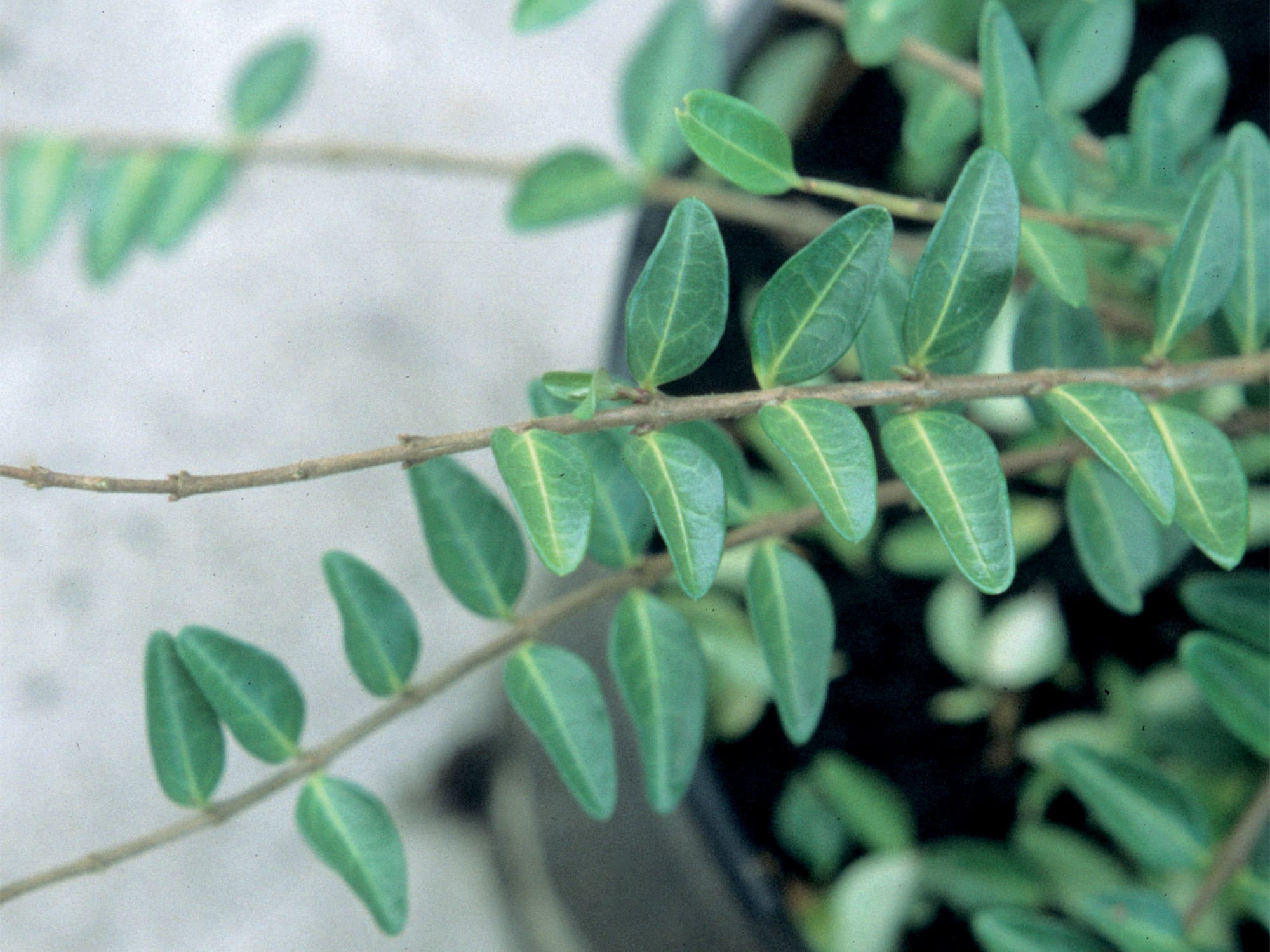
Lonicera displaying copper deficiency symptoms
Learn more about copper deficiency in plants
Zinc (Zn)
Required for auxin production and enzyme activity.
Symptoms:
- stunted growth
- chlorotic spots on young leaves
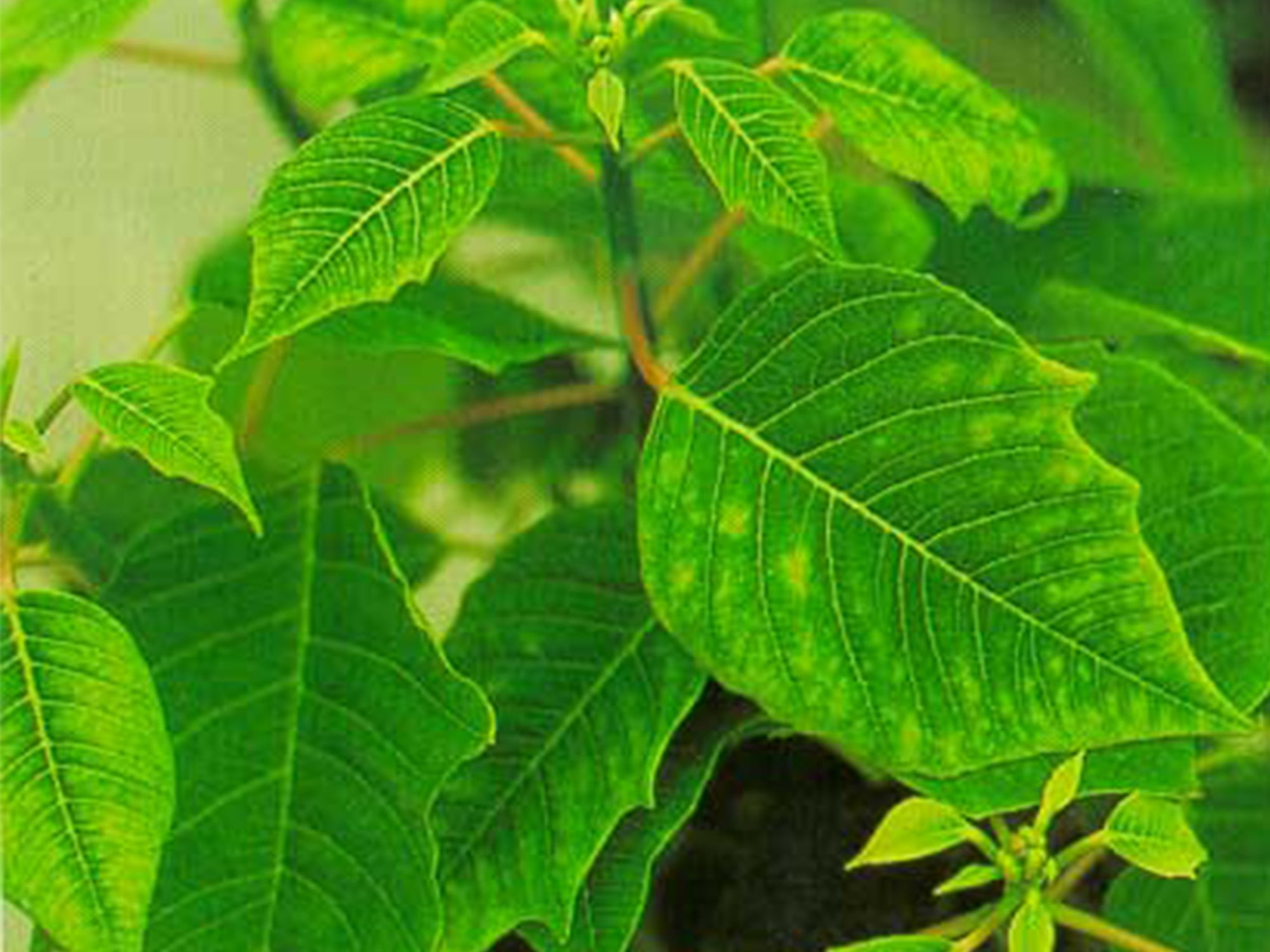
Poinsettia affected by zinc deficiency
Learn more about zinc deficiency in plants
Manganese (Mn)
Important for photosynthesis, it is a constituent element of enzymes and lignin that support cell wall rigidity.
Symptoms:
- interveinal yellowing of young leaves
- reduced root growth
- growth inhibition, leaf deformation, and eventual necrosis
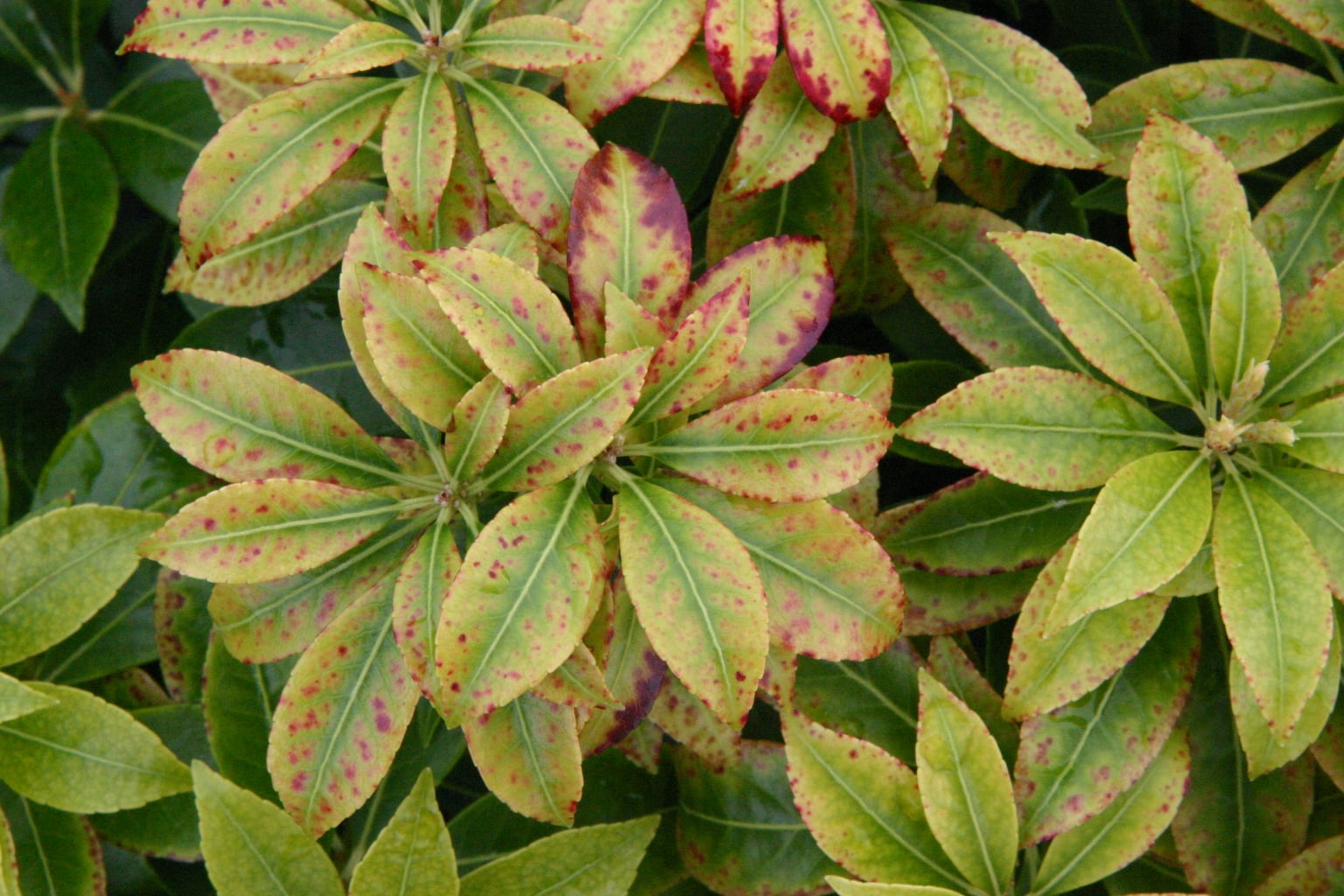
Pieris affected by manganese deficiency
Learn more about manganese deficiency in plants
Boron (B)
Important for cell wall formation and cell division; supports growing tips.
Symptoms:
- necrosis of the growing point
- deformation of young leaves
- malformed fruits
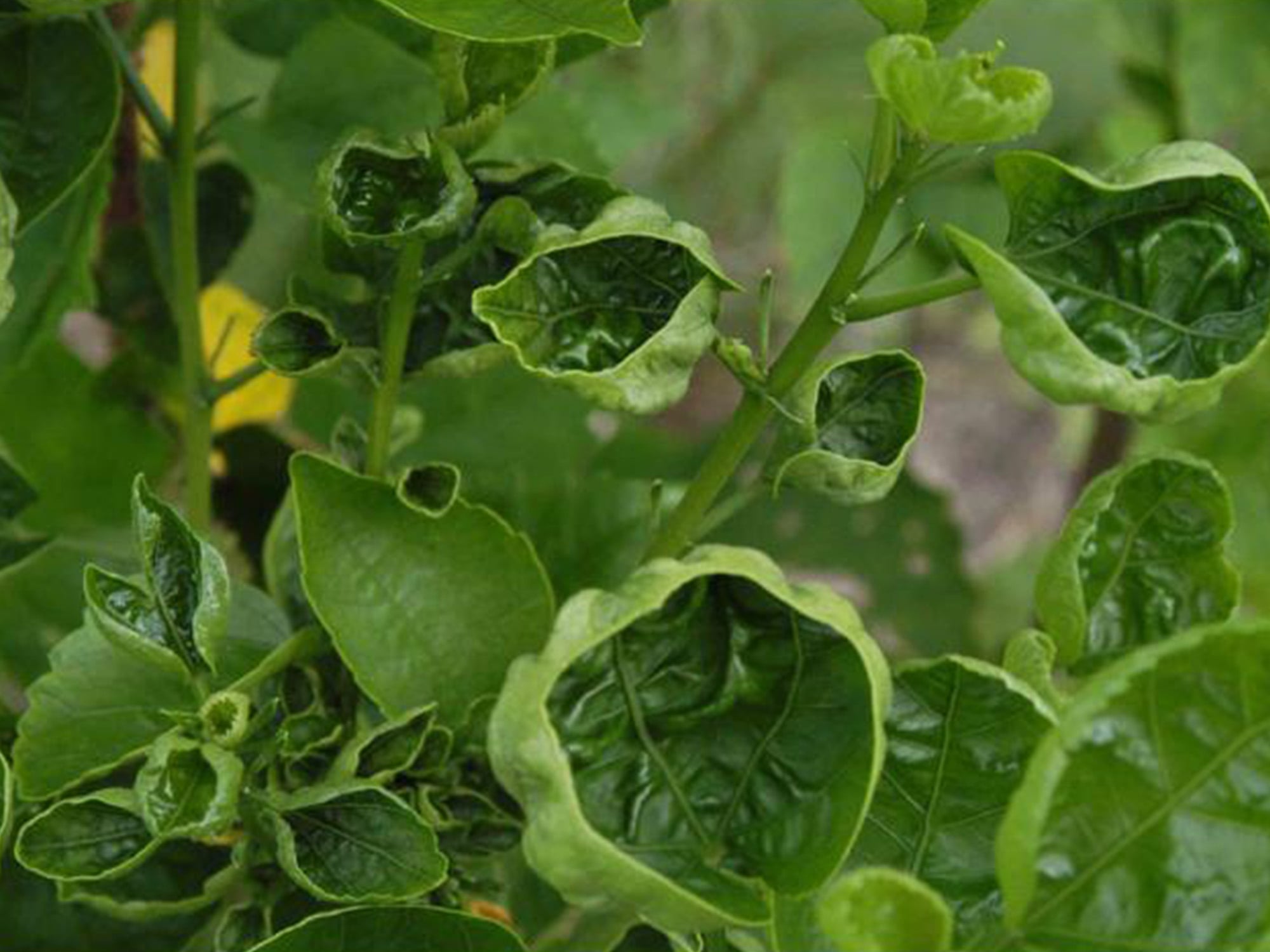
Hibiscus showing boron deficiency symptoms
Learn more about boron deficiency in plants
Molybdenum (Mo)
It participates in the composition of enzymes that convert nitrates into proteins. It is a building block of certain hormones.
Symptoms:
- Young leaves: deformation, yellowing, marginal necrosis
- Older leaves: yellowing due to impaired nitrogen metabolism
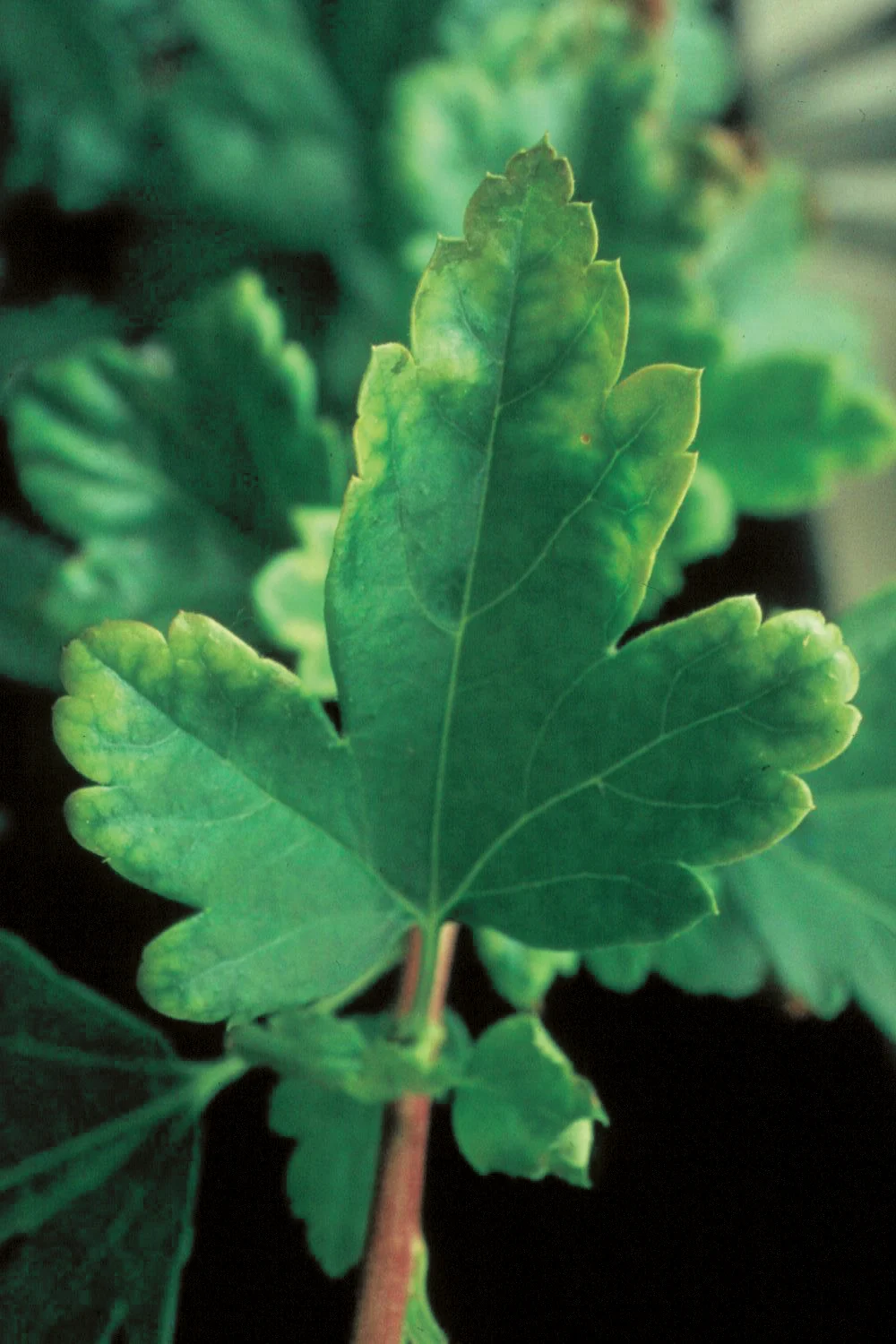
Ribes showing molybdenum deficiency symptoms
Learn more about molybdenum deficiency in plants
How to Fix Nutrient Deficiencies in Ornamental Plants
Maintaining the vigor and visual quality of ornamental plants starts with preventing micronutrient deficiencies. We explore this topic in detail in our article Mixing Microelements with Substrates: Why Use Micromax® Premium. Micronutrients play a crucial role in supporting the healthy development of ornamental crops.
Nutritional‑deficiency problems can be avoided with well‑designed fertilization plans. Plans that consider as many growing variables as possible and supply the right balance of macro‑, meso‑ and micro‑elements. When needed, it is advisable to supplement with high‑quality, targeted trace element package such as Micromax® Premium.
Tailored fertilization plans, adapted to the specific needs of each horticultural business, can be created using the AngelaWeb 3.0 calculation model.
For personalized guidance, contact your regional technical support by visiting your country’s website. You find a link to your country web site on the top right corner of this page.

-
 Nitrogen Deficiency in Ornamental Plants: Symptoms and Treatment
 - Phosphorus Deficiency in Ornamental Plants: Symptoms and Treatment
- Potassium Deficiency in Ornamental Plants: Symptoms and Treatment
- Magnesium Deficiency in Ornamental Plants: Symptoms and Treatment
- Calcium Deficiency in Ornamental Plants: Symptoms and Treatment
- Sulfur Deficiency in Ornamental Plants: Symptoms and Treatment
- Iron Deficiency in Ornamental Plants: Symptoms and Treatment
- Copper Deficiency in Ornamental Plants: Symptoms and Treatment
- Zinc Deficiency in Ornamental Plants: Symptoms and Treatment
- Manganese Deficiency in Ornamental Plants: Symptoms and Treatment
- Boron Deficiency in Ornamental Plants: Symptoms and Treatment
- Molybdenum Deficiency in Ornamental Plants: Symptoms and Treatment

Our knowledge
Tips & tricks, disease prevention, crop and market related information
Explore our knowledge