


 Whatsapp
  X
X  Mail
Mail  Copy link
 Mixing Trace Elements with Substrates: Why Use Micromax Premium
Present in very small quantities, micronutrients, or trace elements, have a major impact on the final quality of ornamental plants.
On this page:
What Happens when Micronutrients Are Missing
During production, symptoms such as interveinal chlorosis or leaf paling may appear. In other cases, plant growth becomes noticeably stunted.
All plants require a balanced supply of macro‑ and micronutrients. This is especially true in ornamental horticulture, where the final quality of plants directly influences their market value.
When nutritional balance is disrupted, overall crop development suffers. Read about specific symptoms of nutrient deficiencies in our dedicated articles.
The prefix “micro” refers not to the size of these nutrients, but to the fact that they are required in very small quantities compared to macronutrients. Despite being needed in such small amounts, their role is crucial – they strongly influence plant growth. Poor crop performance is often linked to a lack of micronutrients.
Why Is It Essential to Prevent Micronutrient Deficiencies
Many factors can lead to micronutrient deficiencies. Water hardness, substrate pH, and substrate temperature during cultivation can all reduce nutrient availability. In other cases, the cause may simply be insufficient fertilization.
It is important to identify and eliminate the causes of deficiencies. Prevention is especially effective when you know the specific nutritional needs of the crop, or when fertigation options is limited.
Mixing trace elements into the substrate is important because it:
- prevents nutrient deficiencies
- helps maintain optimal micronutrient levels, supporting plant health
- ensures the substrate can supply the plant’s needs, resulting in:
- brighter, more vibrant foliage
- improved rooting
Trace elements incorporated into the substrate therefore support plant vigor and overall quality by promoting strong, balanced development.
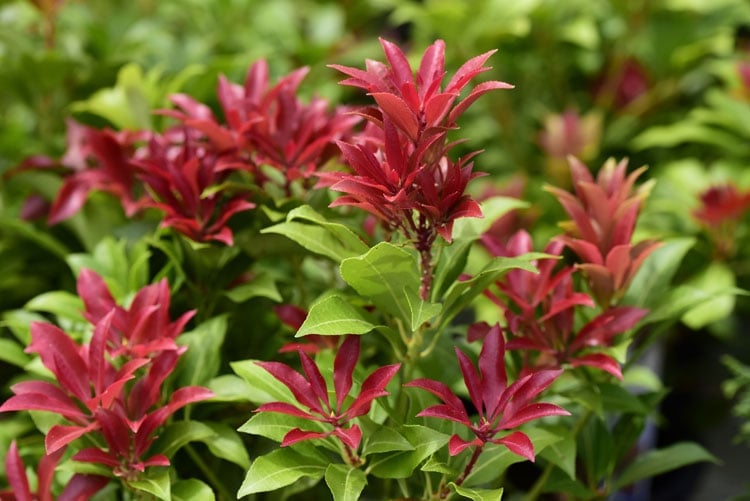
Pieris japonica is a plant with a high demand for micronutrients.
Why Choose Micromax Premium
As with many production inputs, the intrinsic characteristics of the product are key to achieving consistent results.
Micromax Premium has been part of the ICL portfolio for many years. It has a unique formulation of magnesium and trace elements. What sets it apart from any other trace‑element package in the market is its ability to begin releasing nutrients from the very first wetting and to continue releasing them throughout the entire crop cycle and beyond.
Most trace‑element blends on the market lack this technology. They typically prevent deficiencies only in the short term, immediately after application. Only Micromax Premium provides long‑lasting availability. This is why it has been the preferred choice of dozens of professional substrate manufacturers across Europe for many years.
Micromax Premium: Tested and Proven Performance
The effectiveness of Micromax Premium has been validated through scientific trials, including studies on the growth of Ilex crenata ‘Hetzi’ cuttings taken from mother plants treated with four different application rates. The best results, in both rooting and subsequent growth, were achieved with a dose of 450 g/m³ of Micromax Premium in both trial years. Cuttings taken from mother plants treated with Micromax Premium showed stronger rooting and better growth than untreated controls.
The positive effects of Micromax Premium are even more evident in crops with high micronutrient demand (especially iron), such as Buxus, Calluna, Cytisus, Hebe, Hydrangea, Pieris, and Vinca, to name just a few.
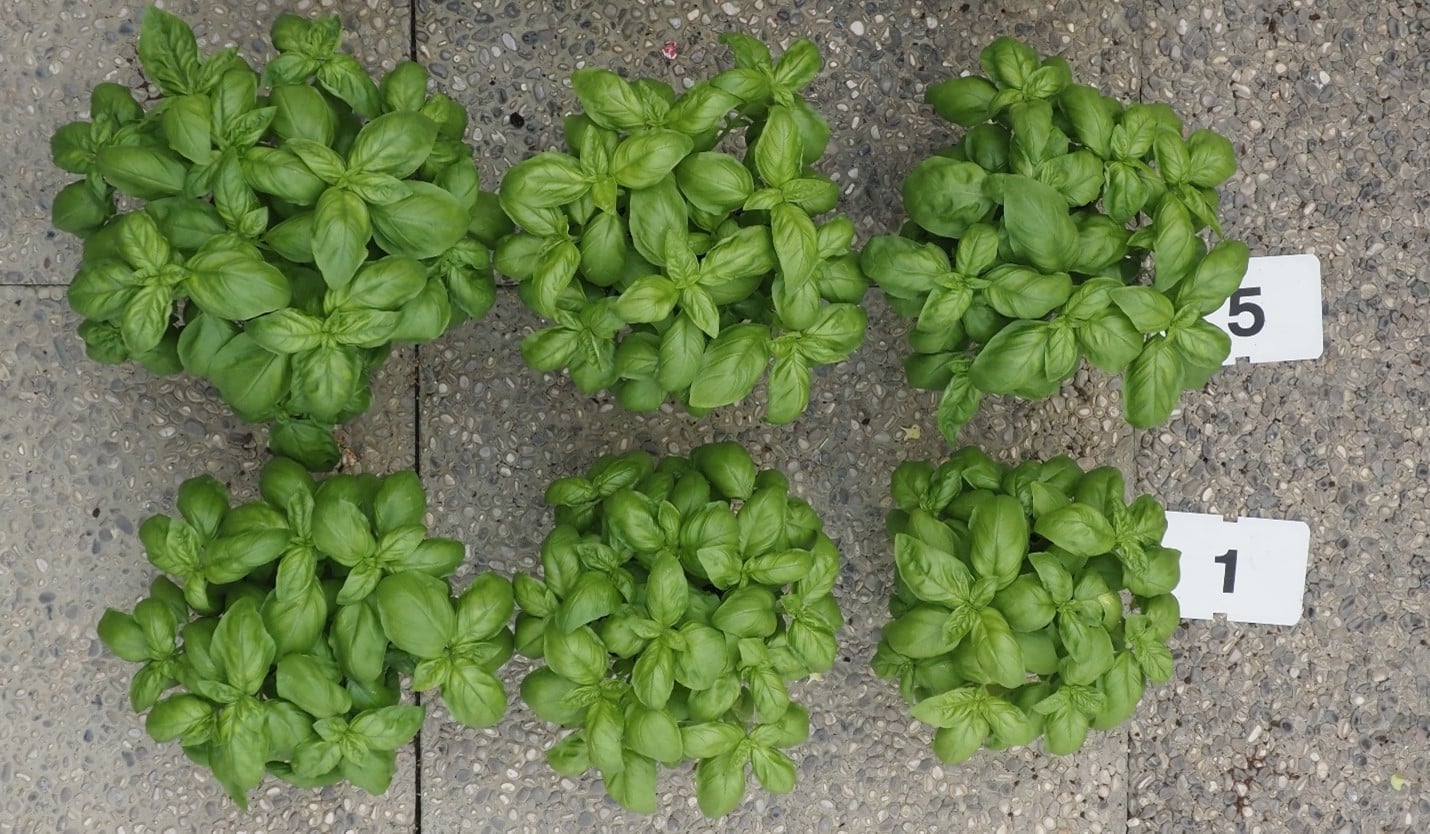
In this trial, the same base fertilizer without micronutrients was used. Micromax Premium at 300 g/m³ has been added to pots in row 5. The difference between these two rows is only the supplement of micronutrients. Their effect is clearly visible on the overall development of the plants.
What Is in Micromax Premium
This is the exclusive composition of this special package of microelements
| Element | % | |
|---|---|---|
| N | nitrogen | 0% |
| P2O5 | phosphorus | 0% |
| K2O2 | potassium | 0% |
| MgO | magnesium | 14% |
| S3O3 | sulfur | 42,2% |
| B | boron | 0,2% |
| Cu | copper | 1% |
| Fe | iron | 15% |
| Mn | manganese | 2,5% |
| Mo | molybdenum | 0,04% |
| Zn | zinc | 1% |
How to Use Micromax Premium: Dosages
| Dose | Intended use | Notes on dosage |
|---|---|---|
| 250‑400 g/m³ | Container‑grown ornamental nursery plants | Halve the dosage if the growing substrate already contains Osmocote 5. Increase the dosage for crops such as: Olea europaea, Citrus spp., and all species with a high demand for iron, magnesium, and micronutrients in general: Actinidia, Aralia, Azalea, Bougainvillea, Buxus, Calluna, Camellia, Caryopteris, Ceanothus, Cedrus, Chamaecyparis, Clerodendron, Cytisus, Elaeagnus, Erica, Euonymus, Forsythia, Gleditsia, Juniperus, Laburnum, Lavandula, Leucothoe, flowering Magnolia, Nerium oleander, Pernettya, Prunus laurocerasus, Rhododendron, Sarcococca, Viburnum tinus, Vinca, Weigela, Wisteria, etc. Increase the dosage by 25% in substrates containing bark or other peat alternatives. |
| 150‑350 g/m³ | Flowering plants and perennials | Increase the dosage for crops such as: Alstroemeria, Anemone, Calibrachoa, Cortaderia, Echinacea, Genista, Helleborus, Lilium, Pachysandra, Primula, Surfinia (and all hybrid petunias), Verbena, Zantedeschia, etc. |
| 20‑30 g/m² | Open field or cut flower production | n/a |
How to Apply Micromax Premium
Micromax Premium must be mixed into the substrate.
It can also be used as a topdressing to correct severe micronutrient deficiencies. However, when applied on the surface, Micromax Premium tends to remain in the upper layer of the pot. For this reason, if used as a topdressing, it is advisable to incorporate it into the substrate as much as possible.
Conclusion
Micronutrients may be required in small quantities, but their impact on plant quality is anything but small. By incorporating Micromax Premium directly into the substrate, growers ensure a consistent, long‑lasting supply of essential trace elements throughout the entire crop cycle. The result is stronger rooting, healthier foliage, and more uniform, market‑ready plants — even in species with high micronutrient demands.

-
 How to Recognize Nutrient Deficiencies in Ornamental Plants and How to Fix Them
 - Zinc Deficiency in Ornamental Plants: Symptoms and Treatment
- Iron Deficiency in Ornamental Plants: Symptoms and Treatment
- Boron Deficiency in Ornamental Plants: Symptoms and Treatment
- Copper Deficiency in Ornamental Plants: Symptoms and Treatment
- Manganese Deficiency in Ornamental Plants: Symptoms and Treatment
- Molybdenum Deficiency in Ornamental Plants: Symptoms and Treatment

Our knowledge
Tips & tricks, disease prevention, crop and market related information
Explore our knowledge