


 Whatsapp
 X
 Mail
 Copy link
180 European Trials Validate Next-Generation CRFs
On this page:
Behind every innovation lies extensive testing. Throughout 2026, ICL conducted one of the largest validation programs ever undertaken for its next-generation controlled release fertilizer technology, with 180 trials carried out across 12 European countries.
The scale of the program reflects the importance of ensuring that new coating technologies perform consistently under a wide range of growing conditions. From different climate zones and substrate types to diverse crops and cultivation practices, the objective was clear: gather robust evidence that future solutions can continue to meet growers’ expectations while aligning with evolving environmental requirements.
Since 2020, the trials have been conducted in Italy, France, Belgium, Germany, UK, Netherlands, Poland, Hungary, Ireland, Portugal, Austria, Sweden, Romania and Czechia. A broad range of crops and production systems were included in the program. The main purpose of these trials was to evaluate the performance of the next-generation CRF coating in different growing situations including:
- hot climate
- different irrigation systems
- different substrates (peat, peat-reduced, peat-free)
- indoor/outdoor growing environment
- different application methods (mixed in substrate, topdress, side dibble)
- different dosages
- low pH
- growth start
The tests were performed in a wide range of species including Eleagnus, Euonymus, Myrthus communis, Nerium oleander, Rhododendron, Photinia fraseri, Calluna, Prunus lusitanica, Penstemon, Thuja, Juniperus stricta, Dianthus, Begonia, Spiraea and many many others.
Beyond the technical results, the trial program provided an opportunity to observe product performance in real commercial growing conditions. Working closely with growers, advisors, and technical specialists, ICL was able to assess how the new technology behaved throughout complete production cycles and under a wide variety of environmental conditions.
The images accompanying this article offer a glimpse into the scale of that effort. Hundreds of trial plots were monitored, measured, and evaluated throughout the season. Together, they represent thousands of observations and countless hours of work by growers and technical teams committed to shaping the future of controlled release nutrition.
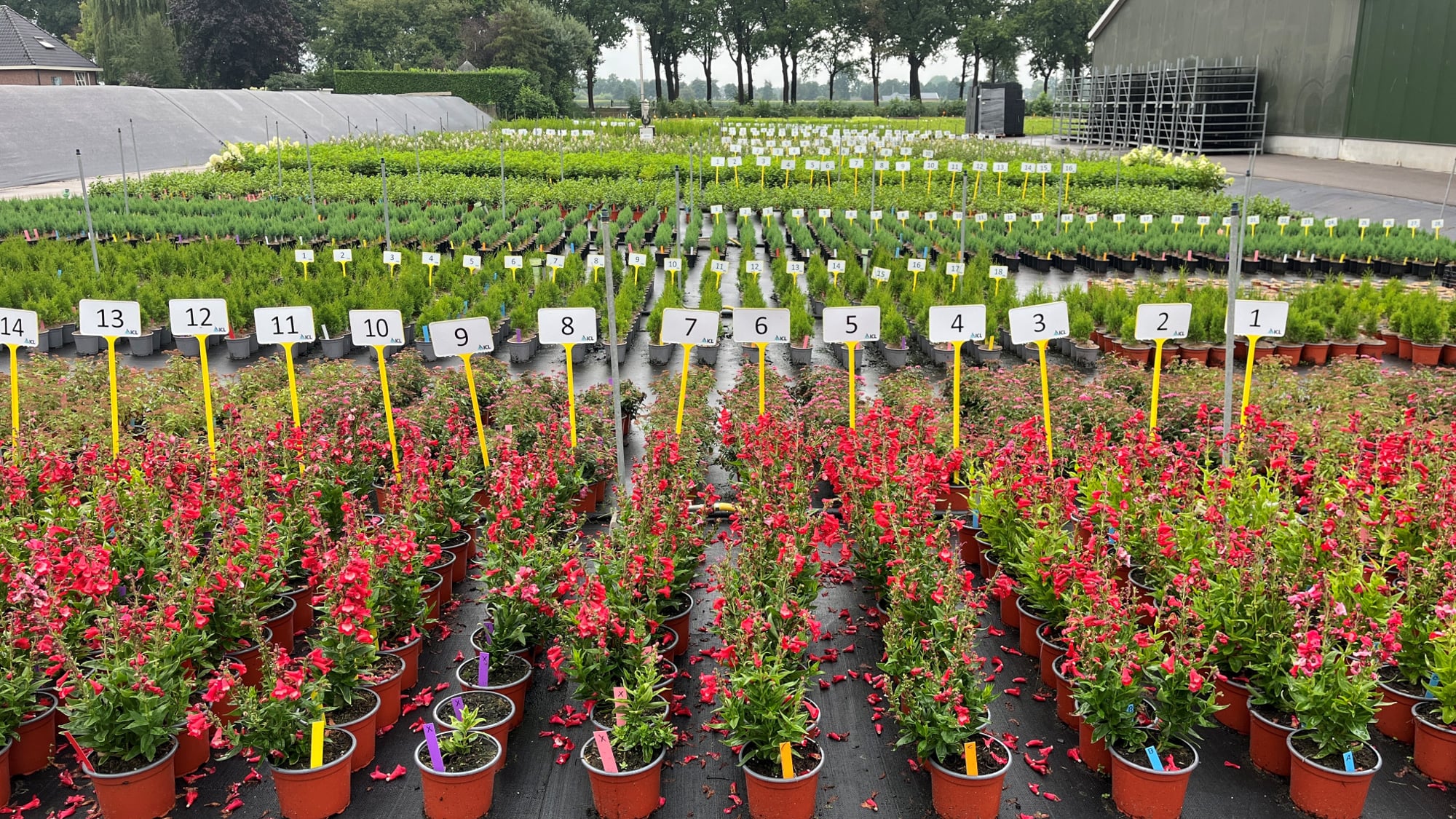
ICL Trial Station in Hoogenraad, The Netherlands – trials were performed in 11 different crops in 4 replicates. The trial station is equipped with an own well with 11 irrigtion lines and an own weather station.
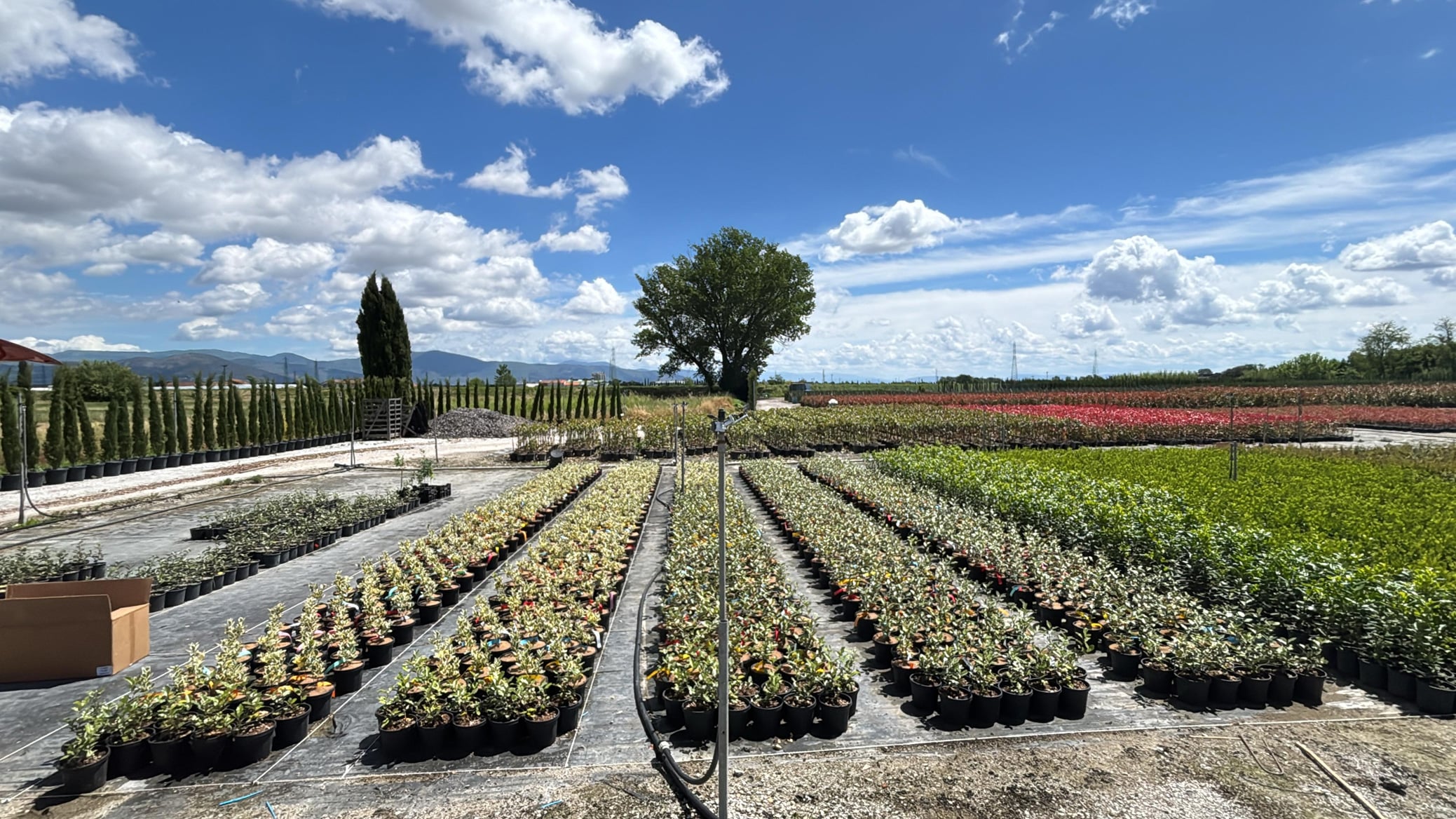
Tests in Pistoia, Italy, focused on the performance and color in hot climate in Eleagnus and Euonymus.
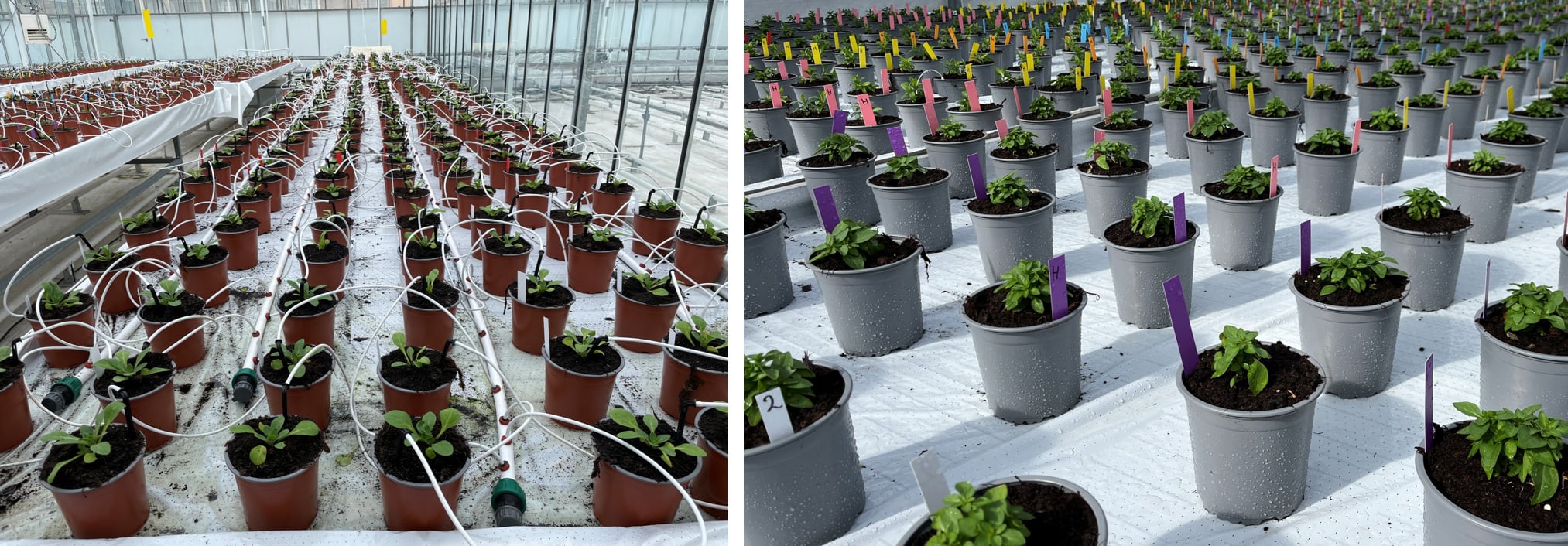
Pot trials in a greenhouse, the Netherlands.
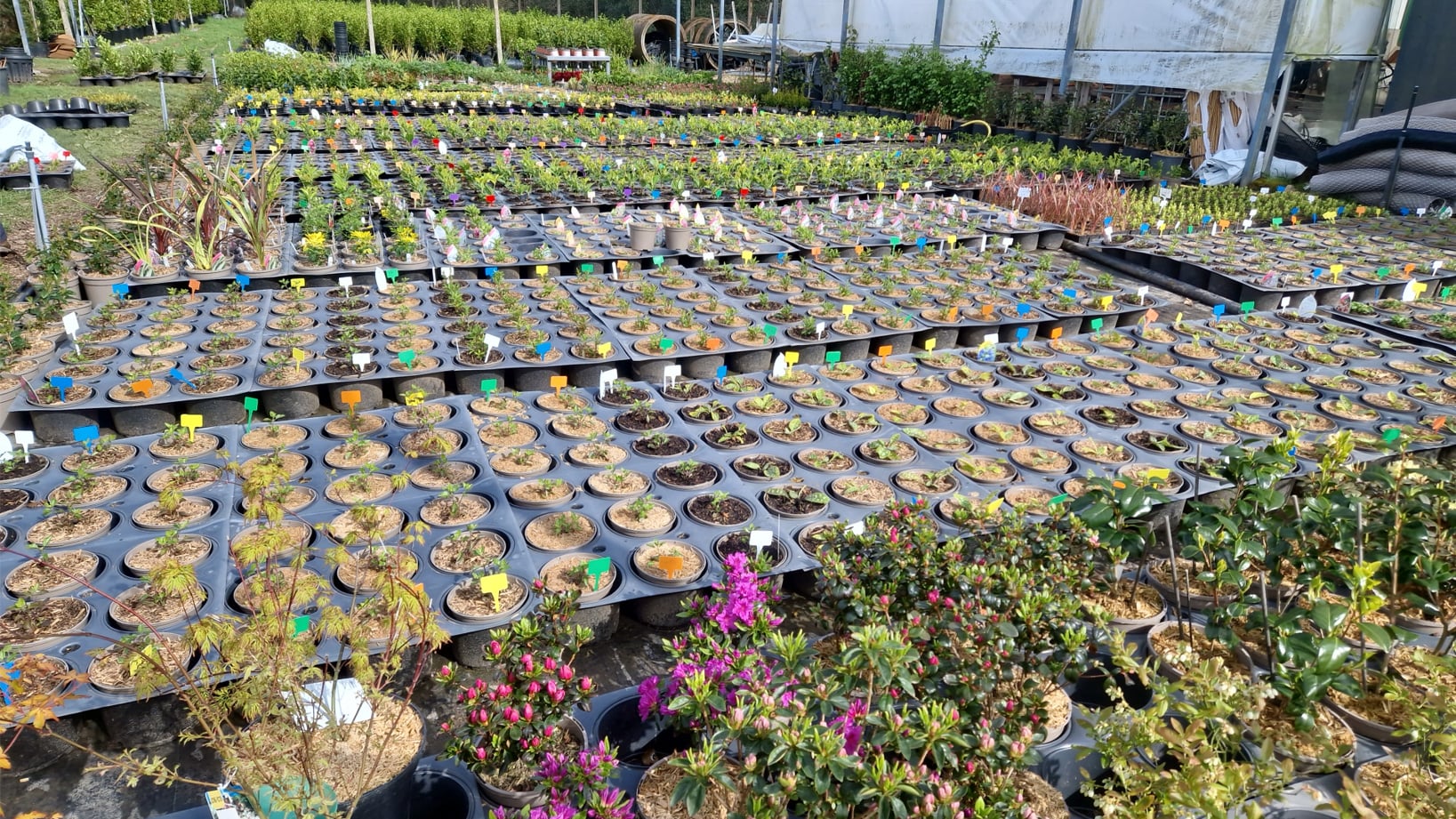
Tests in a peat-free substrate in 3 replicates were performed in southern England.
While data analysis is still ongoing, the trial program marks another important step in the journey that began several years ago with the challenge of developing coating technologies capable of meeting future regulatory requirements without compromising agronomic performance.
The ultimate goal remains unchanged: helping growers continue to produce healthy, high-quality plants while benefiting from the efficiency, reliability, and labor-saving advantages that have made controlled release fertilizers an essential tool in professional horticulture.
As innovation moves from the laboratory to commercial growing environments, extensive field validation becomes increasingly important. The 180 trials conducted during 2026 demonstrate not only the scale of ICL’s commitment to research and development, but also the industry’s determination to ensure that the next generation of controlled release fertilizers is built on proven performance.
The photographs featured here tell that story better than words alone: a year of testing, learning, and collaboration across Europe, all focused on supporting the future of sustainable plant production.

Our knowledge
Tips & tricks, disease prevention, crop and market related information
Explore our knowledgeThe website assistant is temporarily unavailable.
You can still find the information you need using the options below.