
Located in the south of the Netherlands, the ICL R&D Center in Heerlen is a global hub for innovation in controlled-release fertilizer (CRF) technologies. Since its establishment in 1975, the center has built decades of expertise in developing advanced plant nutrition solutions.
While primarily focused on CRFs, the center also specializes in water-soluble fertilizers (WSF) and biostimulants for the specialty agriculture, ornamental horticulture, and turf sectors. Additionally, the team develops slow-release fertilizers (SRF) specifically for the turf sector. A top priority is the development of biodegradable coating technologies; these are essential for complying with upcoming European Union regulations and represent a major step forward in sustainable fertilizer use.
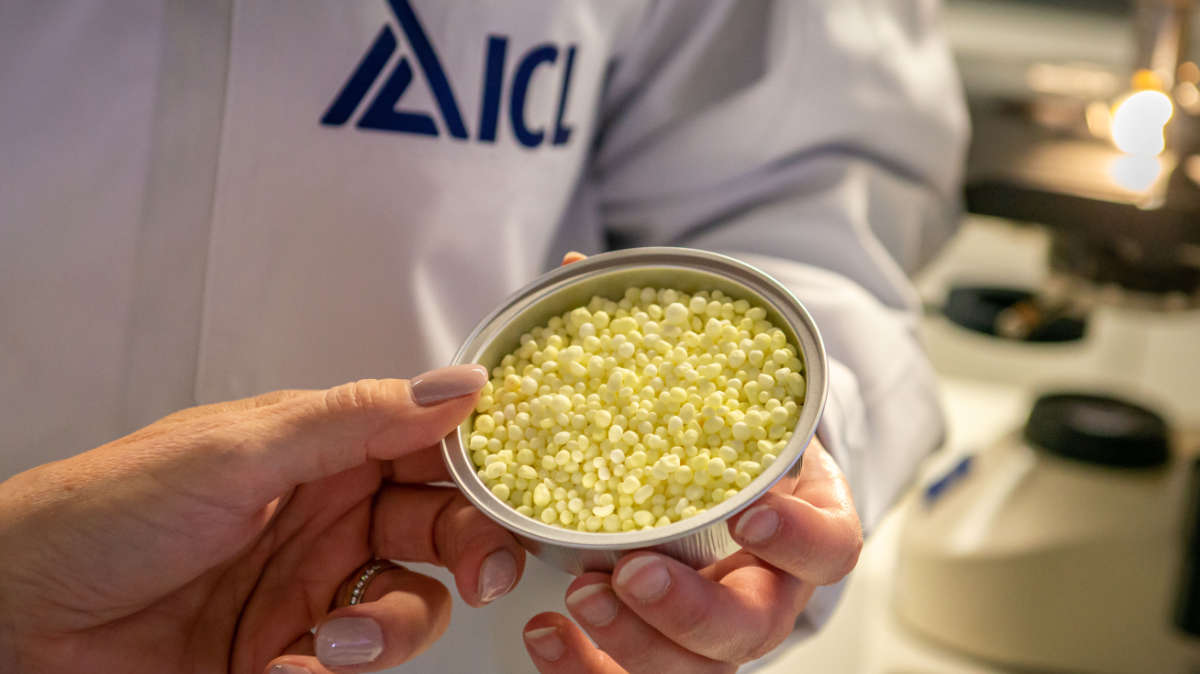
By combining scientific research with practical agronomic insight, the Heerlen team develops solutions that improve nutrient use efficiency, reduce environmental impact, and deliver consistent performance under real-world growing conditions. Its multidisciplinary approach, spanning chemistry, engineering, agronomy, and microbiology, ensures innovations are both technically advanced and ready for scalable global production.
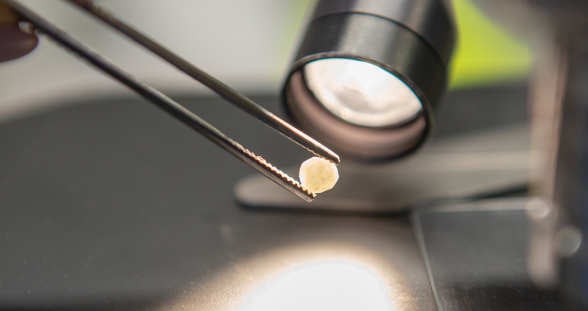
Research at Heerlen is centered on advancing CRF technologies, with a strong focus on biodegradable coatings that meet upcoming regulatory requirements. These innovations ensure precise nutrient release aligned with crop demand, improving efficiency while reducing nutrient losses and environmental impact.
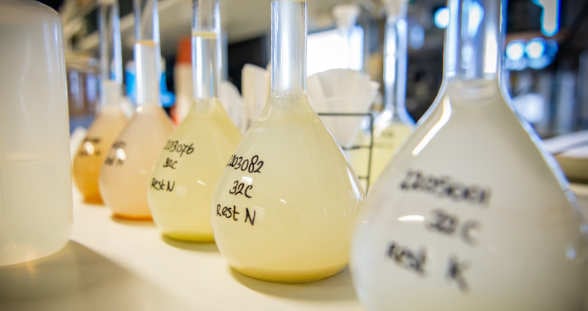
The center supports the development of sustainable slow-release fertilizers, particularly for turf applications. In parallel, it advances water-soluble fertilizers with enhanced additive technologies for use in intensive cropping systems. A dedicated microbiology team develops biostimulants, both as standalone products and integrated into fertilizer systems, with a focus on improving nutrient use efficiency.
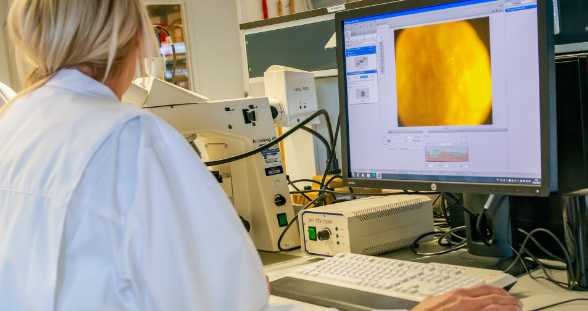
Heerlen combines laboratory, pilot, and analytical capabilities to support product development at multiple scales. Advanced coating systems, microscopy, and chemical and physical analysis tools enable detailed understanding of nutrient release mechanisms and product performance, guiding the development of next-generation fertilizers.
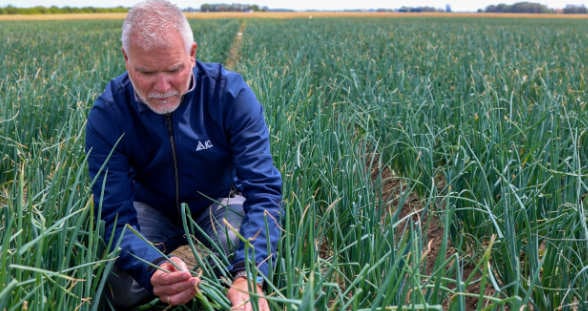
All innovations follow a structured validation process, beginning with a clear agronomic hypothesis and progressing from laboratory and greenhouse studies to multi-location field trials. Trials are statistically designed and replicated to ensure reliable, repeatable results across different soils, climates, and cropping systems, ensuring products deliver consistent value under real farming conditions.
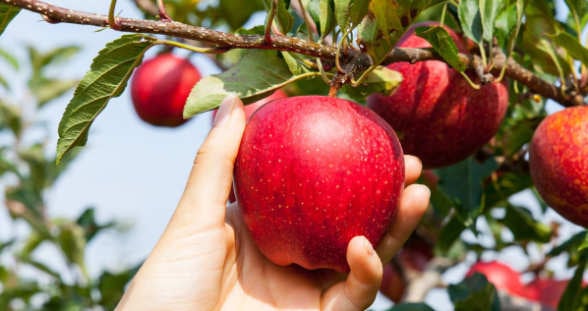
Technologies developed at Heerlen have demonstrated clear agronomic and environmental benefits, including improved nutrient use efficiency, reduced nitrogen losses, and increased yields across crops such as rice, potatoes, and fruit trees. Enhanced fertilizer efficiency also contributes to lower carbon footprints and reduced input requirements, supporting both productivity and sustainability goals.
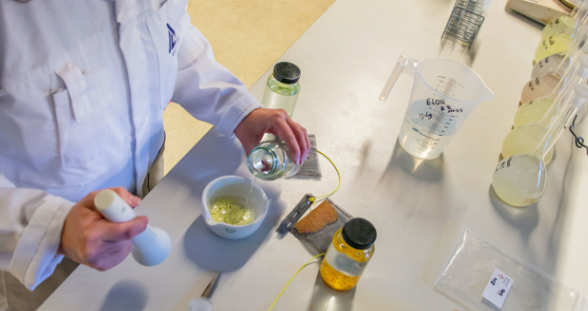
Research at the center is focused on emerging global challenges, including increasing water scarcity and stricter environmental regulations. By improving both nutrient use efficiency and water use efficiency, Heerlen’s innovations help growers adapt to changing conditions while maintaining productivity and environmental responsibility.


 Whatsapp
  Facebook
  X
X  Linkedin
  Mail
Mail  Copy link