Potassium fertilizers supply plants with potassium (K), an essential macronutrient that supports water regulation, enzyme activity, photosynthesis, sugar transport, crop quality and plant resilience. The right potassium fertilizer depends on the crop, soil conditions, chloride sensitivity, application method and the other nutrients the crop needs.
What Are Potassium Fertilizers?
Potassium fertilizers are fertilizers used to supply crops with potassium. Potassium is one of the three primary macronutrients, together with nitrogen and phosphorus, and crops require relatively large amounts of it.
Potassium does not form part of many plant structures in the same way as nitrogen or phosphorus. Instead, it regulates important physiological processes, including stomatal movement, enzyme activation, photosynthesis, water balance and the movement of sugars within the plant.
Why is potassium important for crops?
Adequate potassium nutrition can help crops:
- Maintain water balance through regulation of stomatal opening and closing.
- Support photosynthesis and carbohydrate production.
- Improve the transport of sugars and assimilates to developing tissues.
- Support strong stems, roots, fruits, tubers and seeds.
- Improve crop quality, including characteristics such as fruit size, firmness, color and sugar content.
- Improve tolerance to environmental stresses such as drought and cold.
Potassium is particularly important in crops where carbohydrate production, fruit development, tuber formation or crop quality are major production objectives. ICL’s potassium information also links potassium nutrition with stronger root systems and improved efficiency of nitrogen and other nutrient use.
Which Types of Potassium Fertilizers Are Available?
Different potassium fertilizers provide potassium in different chemical forms and may also supply other nutrients. The choice should therefore be based on the crop’s nutritional requirements and the characteristics of the production system.
| Typical consideration | Main nutrients supplied | Potassium fertilizer |
|---|
| Concentrated potassium source for chloride-tolerant crops | Potassium + chloride | Potassium chloride (KCl), or MOP |
| Useful where potassium and sulfur are required and chloride inputs should be limited | Potassium + sulfur | Potassium sulfate (K₂SO₄), or SOP |
| Suitable where potassium and nitrate nitrogen are required, including precision fertigation | Potassium + nitrate nitrogen | Potassium nitrate (KNO₃), or NOP |
| Useful when several nutrients need to be supplied together | Potassium plus other nutrients | Multi-nutrient potassium fertilizers |
ICL’s portfolio includes potassium sources for different production systems, including Potash and Nova products containing potassium sulfate and potassium nitrate.
Potassium Chloride vs. Potassium Sulfate vs. Potassium Nitrate
The best potassium fertilizer is not the same for every crop or field. One of the most important decisions is which accompanying nutrient or ion is appropriate for the production system.
Potassium chloride (KCl)
Potassium chloride is one of the most widely used potassium fertilizers. It is a concentrated source of potassium and is suitable for many chloride-tolerant crops and soils.
ICL Standard Potash provides 61% K₂O and is designed for direct application and fertilizer production. ICL also offers granular potash for broadcast, banded and bulk-blending applications.
KCl may be less suitable where crops are sensitive to chloride or where chloride accumulation needs to be carefully managed.
Potassium sulfate (K₂SO₄)
Potassium sulfate supplies both potassium and sulfur. It can be useful where the crop requires both nutrients and the grower wants to limit chloride inputs.
ICL’s Nova SOP contains 53% K₂O and 44% SO₃ and is designed as a soluble source of potassium and sulfur.
Potassium nitrate (KNO₃)
Potassium nitrate supplies potassium together with nitrate nitrogen. Its high solubility makes it suitable for applications where precise nutrient delivery is important.
Potassium nitrate is particularly relevant to fertigation and other systems where nutrients are dissolved and delivered with irrigation water. ICL’s Nova range includes potassium nitrate among its water-soluble straight fertilizer options.
How Does Potassium Affect Plant Growth?
Potassium influences several processes at the same time, which is why potassium deficiency can affect both crop development and final quality.
Water regulation and drought response
Potassium helps regulate stomatal opening and closing. This influences water movement and the plant’s ability to control water loss through transpiration.
Adequate potassium nutrition therefore supports crop water regulation, particularly when plants are exposed to changing environmental conditions.
Photosynthesis and carbohydrate movement
Potassium supports photosynthesis and the production, transport and utilization of sugars. This is particularly relevant for crops that store or accumulate carbohydrates in fruits, seeds, tubers or stalks.
For example, potassium has an important role in carbohydrate-rich crops such as potato, sugarcane and sugar beet.
Crop quality
Potassium is associated with several important quality parameters. Adequate potassium nutrition can support fruit size, firmness, color and sugar accumulation, as well as starch formation in tubers and seeds.
The specific response depends on crop, variety, soil fertility, yield target and other management factors.
What Are the Symptoms of Potassium Deficiency?
Potassium deficiency commonly appears first on older leaves because potassium is mobile within the plant.
Typical symptoms can include:
- Yellowing or scorching along leaf margins.
- Browning of older leaf edges.
- Reduced plant strength and increased lodging in some crops.
- Reduced crop development and quality.
- Greater sensitivity to environmental and biotic stresses.
Visual symptoms alone are not always sufficient to diagnose potassium deficiency. Soil analysis, plant tissue analysis, crop history and expected nutrient removal should also be considered.
ICL’s potassium guidance identifies scorching of older leaf margins as a characteristic visual symptom and notes that potassium-deficient plants can become more susceptible to disease and lodging.
How Should Potassium Fertilizer Be Applied?
Potassium management should be based on the crop’s nutrient demand, soil supply and expected nutrient removal.
The most appropriate application method depends on the production system.
Granular application
Granular potassium fertilizers can be applied directly to soil, broadcast or placed in bands. ICL’s granular potash is suitable for broadcast and banded application and can also be bulk-blended with other fertilizers.
Fertigation
Water-soluble potassium fertilizers can be dissolved and delivered through irrigation systems. This approach allows potassium applications to be matched more closely with crop demand during the growing season.
Water-soluble potassium sources such as potassium nitrate and potassium sulfate are therefore commonly used in precision fertigation programs. ICL’s Nova portfolio includes both potassium nitrate and potassium sulfate products.
Foliar application
Some soluble potassium fertilizers can also be used in foliar nutrition. Foliar application can provide a supplementary route for nutrient delivery, although it should be considered as part of an overall nutrition program rather than a replacement for sound root-zone nutrient management.
How Do You Choose the Right Potassium Fertilizer?
Choosing a potassium fertilizer starts with the question: What does the crop need in addition to potassium?
Consider these factors:
| Question to ask | Decision factor |
|---|
| Is the crop tolerant or sensitive to chloride? | Crop |
| What is the current potassium level and soil type? | Soil |
| Does the crop also need sulfur or nitrogen? | Nutrient demand |
| Will the product be broadcast, banded, fertigated or used in foliar nutrition? | Application method |
| Are solubility and irrigation-system compatibility important? | Water quality |
| When is potassium demand highest? | Growth stage |
| Which crop-quality characteristics are most important? | Yield and quality target |
For chloride-tolerant crops, potassium chloride can provide an efficient and concentrated potassium source. Where chloride inputs need to be limited, potassium sulfate or potassium nitrate may be more appropriate depending on the crop’s nitrogen and sulfur requirements. This distinction is especially relevant in intensive horticulture and precision fertigation systems.
Potassium Fertilization Should Be Part of a Balanced Nutrition Program
Potassium does not work in isolation. Crop performance depends on the balance between potassium and other essential nutrients, as well as soil conditions, water availability and crop development.
A potassium program should therefore consider:
- Soil and tissue nutrient status.
- Expected crop nutrient removal.
- Interaction with nitrogen, phosphorus, magnesium, calcium and sulfur.
- Irrigation and water management.
- Crop stage and expected yield.
- The appropriate fertilizer source and application method.
The goal is not simply to apply more potassium. The goal is to supply the right amount, in the right source and at the right time for the crop and growing conditions.
Potassium Fertilizers for Different Cropping Systems
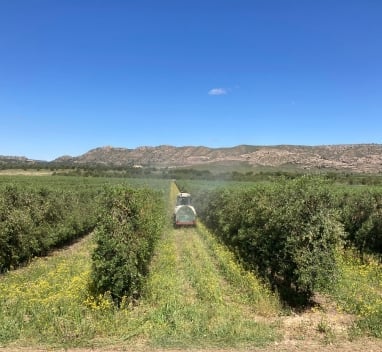
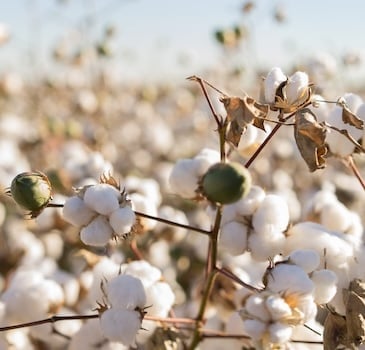
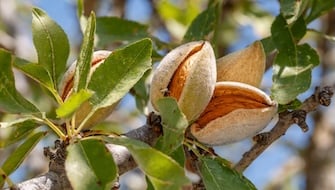
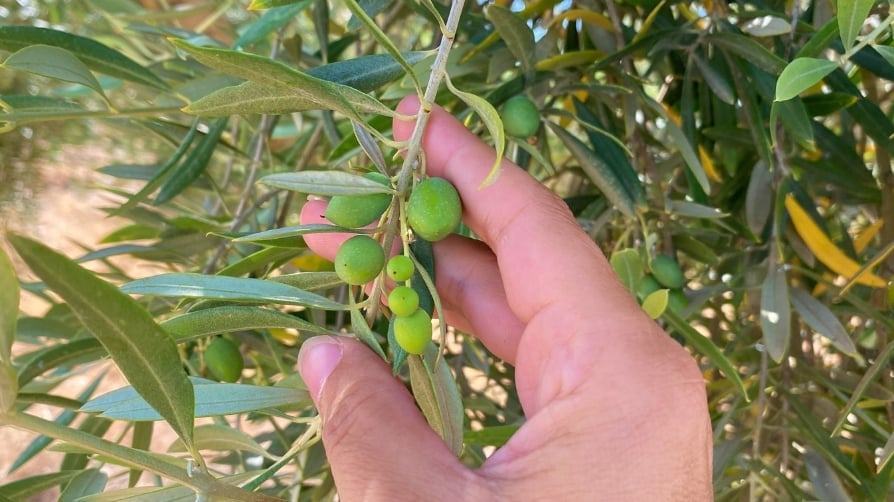
Potassium is important across a wide range of crops, including cereals, vegetables, fruits, plantations and carbohydrate-rich crops.
ICL’s agriculture portfolio connects potassium nutrition with crop resources covering crops such as potato, coffee, oil palm, citrus and others. The site also provides potassium-focused trials, articles and crop resources that can be used alongside fertilizer selection.
For crops with specific potassium requirements, fertilizer selection should be adapted to the production system rather than based on a single universal source.


 Whatsapp
  X
X  Mail
Mail  Copy link