

 Whatsapp
  X
X  Mail
Mail  Copy link
 Our portfolio
Sustainable and innovative solutions to increase your crop yield
Explore our products


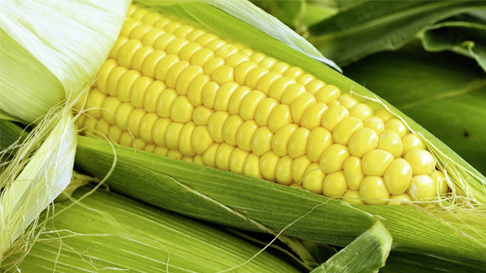
These crops are cultivated not for human consumption, but to sustain dairy, meat, and wool production through consistent, high-quality feed. From temperate pastures to tropical forage systems, fodder crops support rural economies, enhance farm productivity, and contribute to sustainable land use.
The diversity within fodder crops is broad, encompassing fast-growing grasses, protein-rich legumes, energy-dense cereals, and moisture-rich root crops. Their cultivation is often tailored to local climate, soil conditions, and livestock needs. Grasses such as ryegrass and timothy grass offer excellent fiber and digestibility, while legumes like clover and alfalfa enrich the soil through nitrogen fixation and provide superior protein content. Cereal crops, including maize and sorghum, are widely used for silage, delivering high energy value, and root crops like fodder beet and turnips are favored for winter feeding due to their high moisture content.
Beyond their nutritional value, fodder crops offer agronomic benefits that make them indispensable in modern farming. They improve soil structure, reduce erosion, and support crop rotation strategies that enhance long-term fertility. Their adaptability allows farmers to utilize marginal lands and maintain year-round productivity, especially when integrated with grazing systems or harvested for hay and silage.
Fertilization strategies for fodder crops must balance rapid biomass production with sustained soil health. Nitrogen is crucial for vegetative growth, while potassium supports drought tolerance and forage quality. Sulfur is also an important nutrient as it is needed to synthesize amino acids, which are essential for protein formation. High-protein content is a key feature in fodder production.
ICL’s unique 4-in-1 natural fertilizer Polysulphate has demonstrated very good results in field trials on grassland with direct impact on crude protein levels. As it is a product certified for organic farming, it is highly recommended for all farmers who want to increase yields and quality sustainably.
Fodder crops can also benefit from other fertilizer products from ICL. For different growth stages, farmers can use the granular fertilizer PKpluS, the controlled-release fertilizer Agromaster, water-soluble formulations from the Nutrivant and Agroleaf ranges, and the liquid fertilizer Agrimobi.
ICL is committed to supporting livestock farmers with innovative nutrient technologies and agronomic expertise. Through tailored fertilization programs, field trials, and sustainable practices, we help growers optimize forage yield, improve feed quality, and build resilient agricultural systems that benefit both animals and the environment.


