


 Whatsapp
  X
X  Linkedin
  Mail
Mail  Copy link
 How to Stay Ahead of Fungal Pressure in Your Nursery This Season
Periods of prolonged rainfall and cool, humid conditions during autumn can significantly increase fungal disease pressure in commercial nurseries.
On this page:
Excess moisture, combined with slower media dry‑down and reduced evapotranspiration, creates ideal conditions for pathogens such as Pythium, Phytophthora, Rhizoctonia, and Chalara.
If left unmanaged, these diseases can compromise root systems, reduce plant vigour, disrupt production schedules, and lead to significant crop losses. Staying ahead of fungal pressure requires a proactive, integrated approach that combines sanitation, sound cultural practices, and targeted chemical use where appropriate.
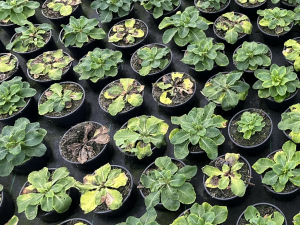
Start with Clean Growing Systems
Effective disease management begins well before symptoms appear. Preventing pathogen introduction and movement through the nursery is often the most cost‑effective and sustainable control strategy.
Key sanitation practices include:
- Clean pots, trays, and tools
Reused containers, benches, and cutting tools can harbour disease organisms. Where possible, clean with approved disinfectants between crops. - Treat irrigation and water sources
Recycled or surface water can contain plant pathogens. Filtration, UV treatment, or chemical water treatment should be considered if a waterborne disease risk is identified. - Remove infected material promptly
Plants showing root rot, collapse, or stunted growth should be removed early, along with surrounding media, to minimise inoculum build‑up.
Reducing the initial pathogen load in the growing environment dramatically lowers disease pressure later in the production cycle.
Use Cultural Practices to Reduce Disease Risk
Daily production decisions play a major role in suppressing fungal disease development.
Important cultural strategies include:
- Avoid over‑watering
Manage irrigation timing and volume to allow adequate media oxygenation. Saturated media favours water‑mould pathogens such as Pythium and Phytophthora. - Promote good drainage and airflow
Use growing media with a high air-filled porosity to improve drainage and help reduce disease pressure. Good quality growing pots help improve drainage, so does the regular use of a high quality wetting agent like Hydraflo. Raised benches and appropriate plant spacing help improve air circulation and reduce leaf wetness to slow disease spread. - Match nutrition to growth stage
Excess nitrogen can drive soft growth that is more susceptible to root and crown rot diseases. Balanced nutrition from products like Osmocote 5 supports root resilience and recovery. - Adjust practices in high‑risk periods
Cooler temperatures and reduced evaporation increase disease risk. During these times, irrigation and handling practices should be reviewed and tightened.
These measures, while simple, have a powerful cumulative effect on disease suppression when applied consistently.
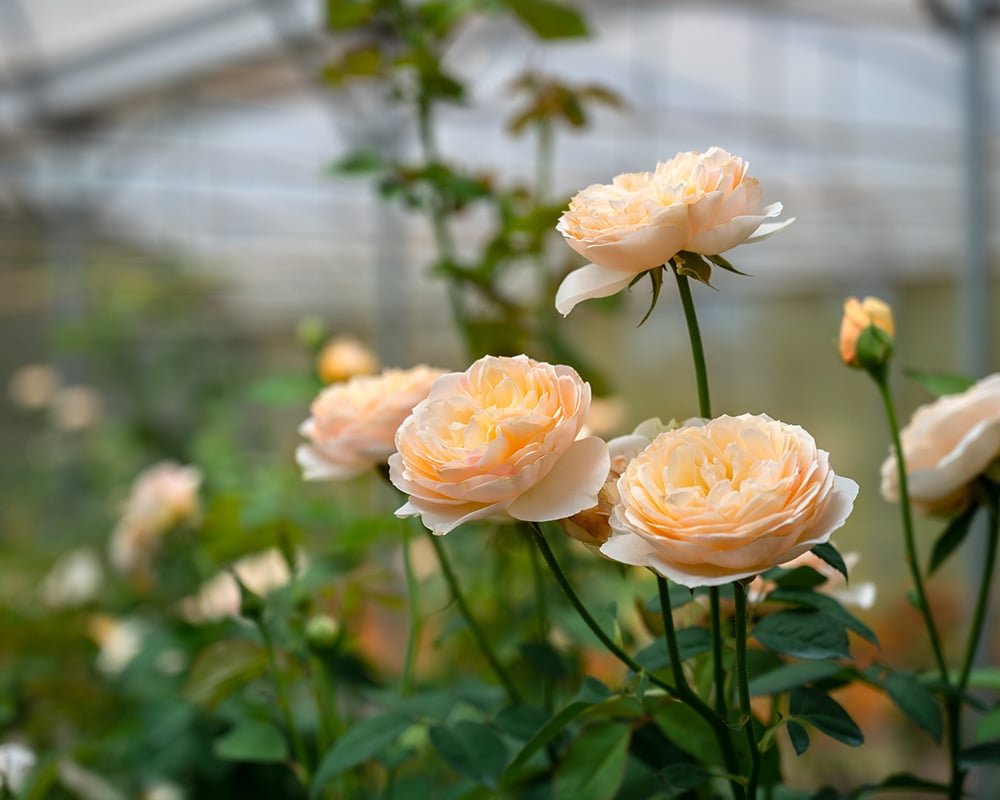
Roses grown in protected environment are prone to fungal infections.
Selecting Fungicides
Fungicides are an important component of nursery disease management, but they are most effective when used as part of a broader strategy rather than as a standalone solution.
Banrot® is one such tool that can be used to help reduce fungal pressure in nursery production systems. As a broad‑spectrum, systemic fungicide, it targets several key plant pathogens. Banrot has two active ingredients and dual modes of action.
When used appropriately, Banrot can:
- Actively control pathogens such as Pythium, Phytophthora, Rhizoctonia and Chalara
- Move systemically within the plant to protect internal tissues
- Help maintain cleaner growing media during periods of elevated disease risk
- Support stronger root development and more uniform plant establishment
Importantly, Banrot is most effective when combined with good sanitation and cultural practices, not used in isolation.

Protect Early to Reduce Losses Later
For soil‑borne diseases, prevention is far more reliable than cure. Applying fungicides early—such as at planting, potting‑up, or during known high‑risk periods—can help protect young, vulnerable root systems before visible symptoms develop.
Application options include:
- Granular formulations
Suitable for incorporation into potting mixes or for even distribution within containers, providing consistent protection during establishment. - Drench applications
Useful for treating established crops or targeting specific production stages when disease risk increases.
Product choice and application method should always be matched to the production system, crop type, and identified disease risk.
An Integrated Strategy Delivers the Best Results
Managing fungal disease pressure in nurseries is rarely about a single intervention. The most successful programs combine:
- Strong sanitation and hygiene protocols
- Practical cultural controls that limit excess moisture and stress
- Regular monitoring and early intervention
- Targeted fungicide use to support, not replace, best practice management
By taking an integrated, proactive approach, nurseries can reduce disease pressure, protect crop quality, and maintain production consistency throughout the season.



Our knowledge
Tips & tricks, disease prevention, crop and market related information
Explore our knowledge