


 WhatsApp
  Mail
Mail  Copy link
 Peat-Free Growing Media Trials at Robin Tacchi Plants
On this page:
Taking a scientific approach to peat-reduced and peat-free production, Robin Tacchi Plants is working closely with ICL to optimise growing media, nutrition and irrigation programmes through detailed commercial trials. By carefully monitoring pH, electrical conductivity (EC), substrate moisture and environmental conditions, Horticultural Advisor Henil Vashi is working with ICL to refine production systems to maintain crop quality while reducing peat use.
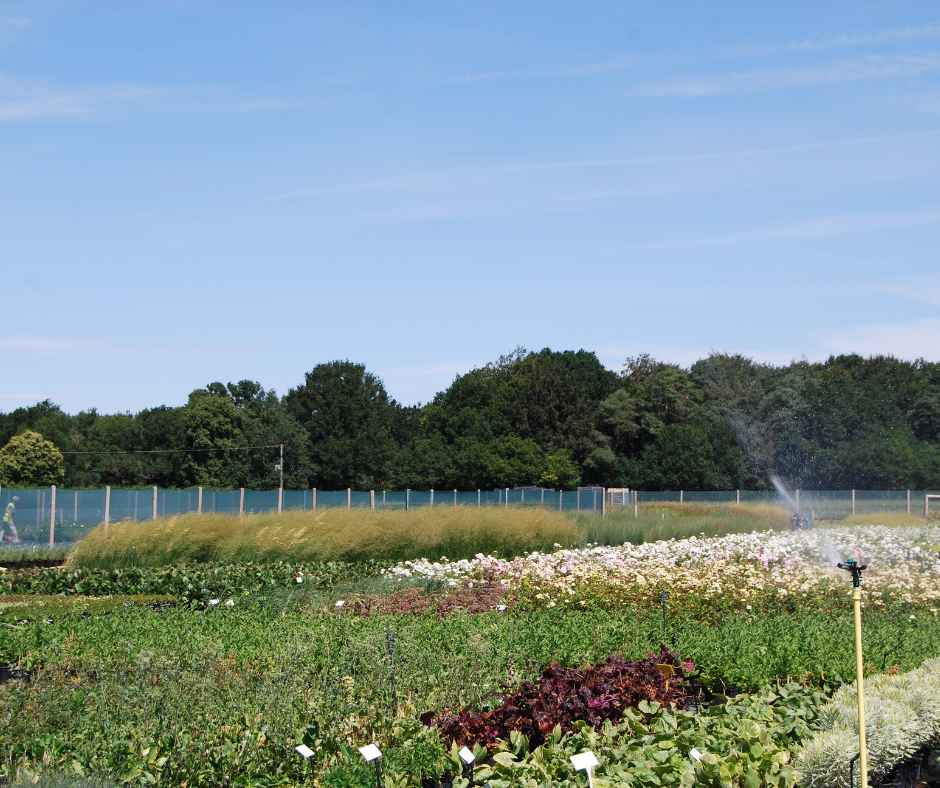
Established in 1983, Robin Tacchi Plants has grown to become one of the UK’s leading wholesale nurseries, operating from multiple sites in Norfolk and producing more than one million plants each year. They work closely with, consult and supply landscape architects, garden designers, developers, contractors, private clients and the nursery trade, providing expert advice alongside a comprehensive range of high-quality shrubs, perennials, ornamental grasses, ferns, instant hedging and container-grown specimens. Their reputation for quality, reliability and horticultural expertise makes them a trusted partner for projects across the UK.
Research-Led Approach to Sustainable Plant Production
A fourth-generation nurseryman, Henil comes from a family with a long-established ornamental nursery business in India. He joined Robin Tacchi Plants in 2022, after completing a degree in Horticulture at Navsari Agricultural University in India and an MSc in Plant Genetics and Crop Improvement at the University of East Anglia in the United Kingdom.
His expertise has already received industry recognition through the 2024 HTA Young Grower of the Year and 2026 AIPH Young International Grower of the Year awards. Alongside responsibility for propagation, crop production and integrated pest management, Henil plays a leading role in the nursery’s sustainability programme.
He has helped reduce peat use by around 30% through the introduction of peat-reduced and peat-free growing systems, while maintaining, and in some cases improving, crop quality.
Transitioning to Peat-Free Growing Media
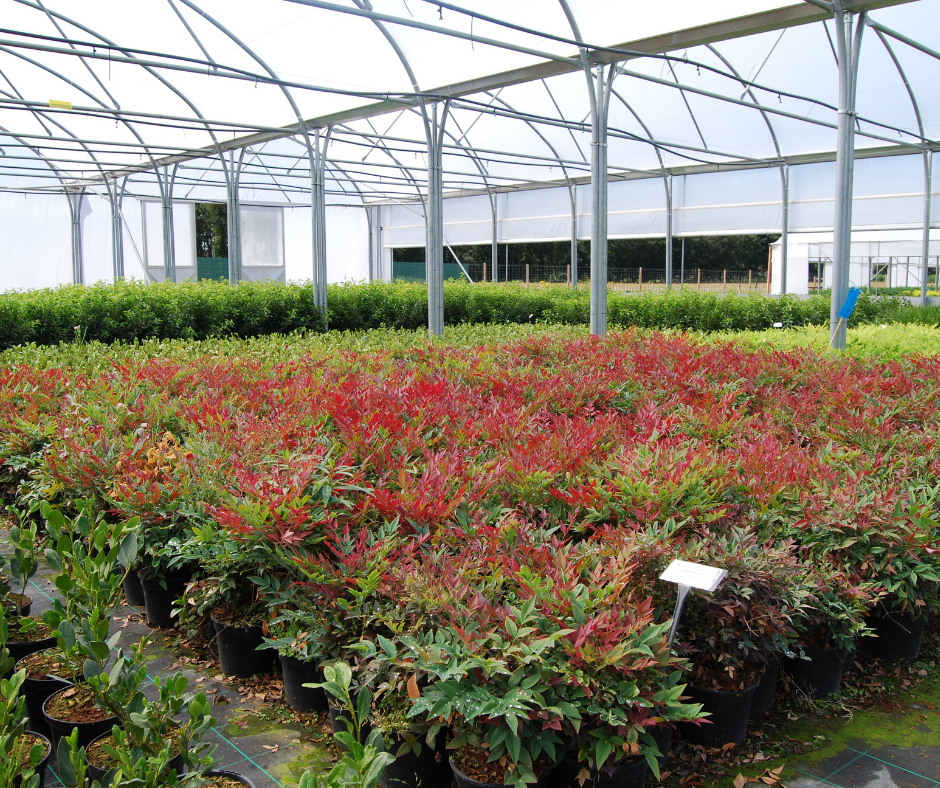
Currently, most of the nursery’s production is grown in peat-reduced ICL Levington® Advance growing media, while peat-free production continues to expand. Since 2023, Henil has led extensive trials of peat-free Levington Advance substrates, with around 40% of perennial production now grown in a mix containing pine bark, Fibagro Advance woodfibre and buffered coir. This year, the production has been extended to selected shrubs, ferns and ornamental grasses.
“Growing a large number of varieties, we aim to standardise on as few peat-free mixes as possible,” explains Henil. “Ultimately we’d also like to eliminate coir and are evaluating different grades of Fibagro Advance woodfibre with pine bark to improve handling and minimise slumping.”
Establishing plugs in peat-free substrates initially presented challenges, but detailed monitoring and close collaboration with ICL has enabled the nutrition regimes to be refined over successive seasons.
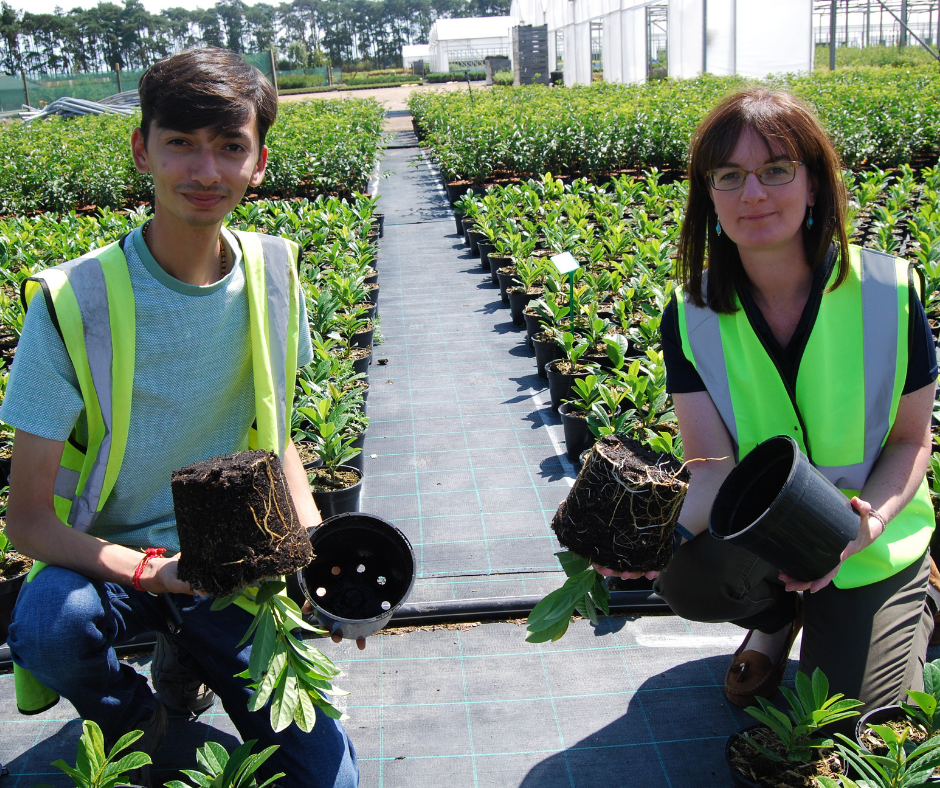
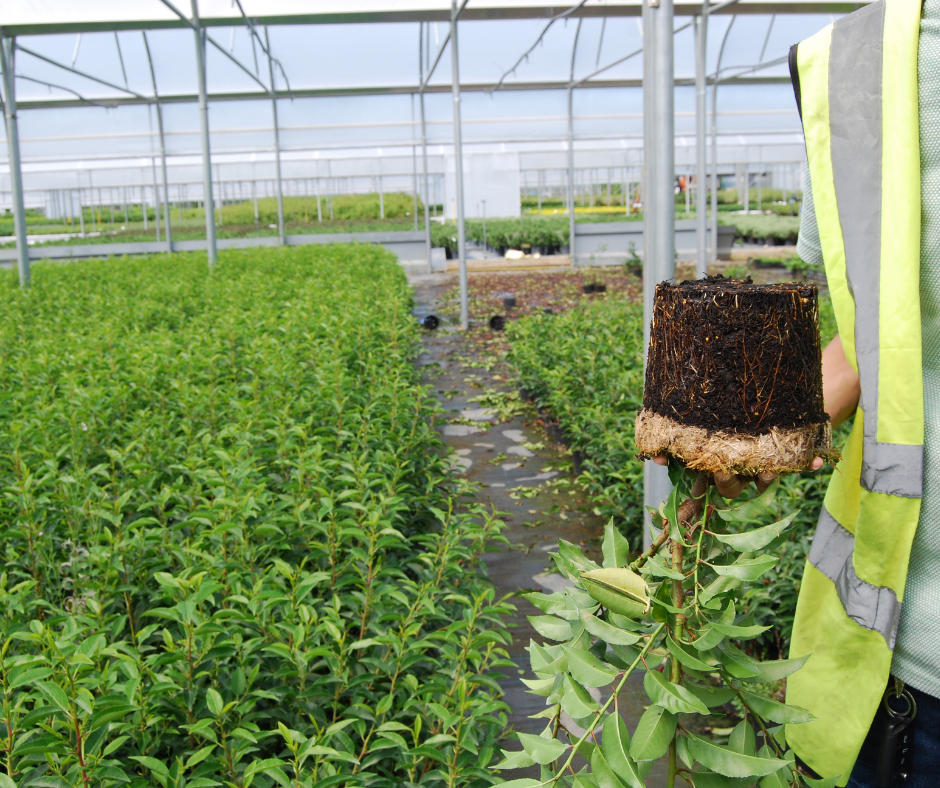
“We now use more targeted applications of water-soluble fertilisers,” he says. “As a result, some varieties are rooting better in peat-free media than in peat-reduced mixes. The designed recipe for our production provides better air-filled porosity and we’re producing more compact plants that require less trimming, helping to reduce labour.”
Fine-Tuning Nutrition in Peat-Free Growing Media
Careful monitoring of crop performance has enabled Henil to optimise nutrition programmes for peat-free production. Alongside Osmocote N, the nursery relies on Osmocote 5 (8-9 month) controlled-release fertiliser, supplemented with water-soluble Universol Green during the main growing season and Universol Orange in autumn.
Working with ICL Technical Area Sales Manager Chloe Whiteside and Technical Manager Andrew Wilson, Henil has used collected data throughout the crop cycle to fine-tune nutrition programmes.
“We’ve reduced Osmocote 5 rates in the peat-reduced mixes and now rely more on targeted supplementary feeding,” he says. “It’s working particularly well with some sensitive varieties of crops such as Prunus, Viburnum and Sarcococca.”
The nursery is also participating in ICL commercial trials evaluating biodegradable Osmocote coatings ahead of future regulatory changes. Early results have shown no difference in crop performance, with healthy rooting and no signs of nutrient deficiency.
Robin Tacchi Plants is also continuing to evaluate ICL’s award-winning Fibagro Advance Pot Topper as part of its weed management strategy following encouraging initial trials.
Future-Proofing Ornamental Plant Production
“With ICL we appreciate the technical support alongside the product innovation,” says Henil. “When we’ve encountered challenges, Chloe responds quickly and we benefit from additional practical advice from Andrew, and the wider team, at Hort Science Live events.
“We’re keen to work with ICL on new product trials because they help future-proof the business. Evaluating new technologies under commercial nursery conditions allows us to make informed decisions that improve both crop quality and production efficiency.”


Our knowledge
Tips & tricks, disease prevention, crop and market related information
Explore our knowledge