


 Whatsapp
  X
X  Mail
Mail  Copy link
 Ornamental trends to watch this year (and next)
Consumer perspectives are shifting. Are you staying up with the change?
On this page:
Ornamental breeders and growers plant the seed for trends in the ornamental industry. But retailers and consumers drive what happens next. Whether you consider yourself a trendsetter, a trendwatcher, or neither, trends matter if you’re in the plant business. And so does how you market your plant offerings, regardless of your wholesale or retail status.
Keeping an eye on trends you see in your own business can help you capitalize on “The Next Big Thing.” Staying tuned in to trends outside your operation, paired with some marketing that reflects what you learn, puts you and your business on track for new customers and in-demand plants.
We’ve heard a lot about the following three trends in ornamental consumer perspectives this spring season. And we’re hearing it from retailers coast to coast. As trends often are, these may seem to include some contradictions. But we’ll call them marketing opportunities instead.
The “everything is an annual” mindset
There was a time when annuals and perennials were distinct consumer preferences when it came to landscaping or retail sales. But times and tastes in plants and planting designs have changed, and the “annual” label isn’t just for annual plants anymore.
More and more consumers aren’t content with the same bedding plants they’ve seen or used for years. They want differences and drama—and plant hardiness either isn’t a factor or it’s way down the list.
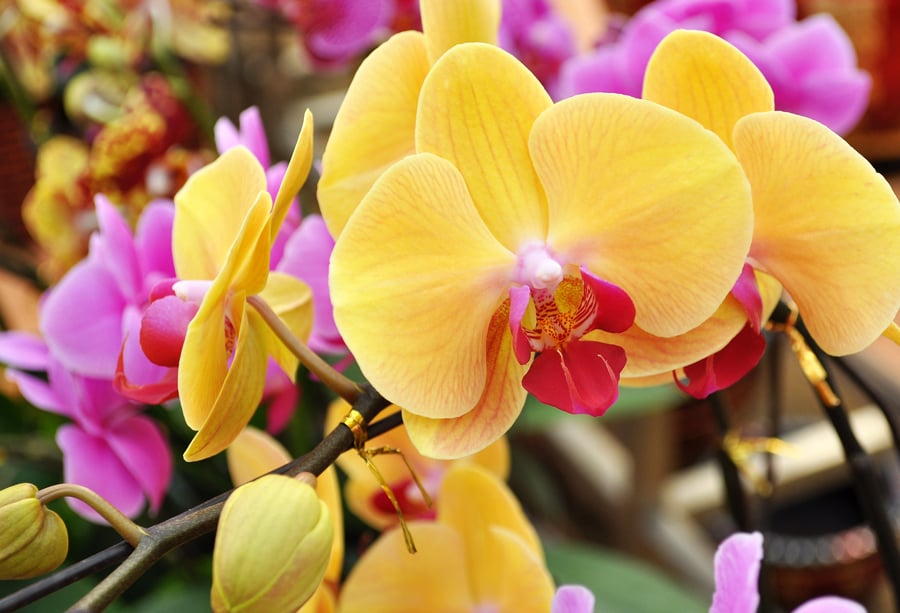
Petunias and begonias may still be the season’s biggest sellers, but their companion plants are very different than before. When they reach their final destination, these annuals are increasingly interspersed with trendy, often pricey perennials or tender tropicals in containers and outdoor garden beds.
Regardless of zone information on the plant tag, everything is an “annual” that gets frosted or composted at season’s end. And these annual-minded consumers, who don’t consider themselves gardeners, don’t give it a second thought.
It may be time to reconsider how you categorize and describe plants in your catalogs, social media, and other marketing. Displays or imagery of some striking, unconventional combinations of plants in your inventory can help. So can a few simple suggestions from your sales staff.
Passion for perennial ROI
Industry surveys show ornamental perennial sales on the increase. At least two forces are at play. On one hand, perennials offer more diversity in textures, heights, and bloom times and have more “wow factor” than many annuals do. Many plant consumers are drawn to perennials by those attributes alone.
On the other hand, many gardeners are looking for a better ROI on their plant dollars. These consumers are shopping for plants that demand less water, fewer pesticides, and less fertilizer — and don’t need to be replaced annually. Chalk it up to experience or the economy, but there’s a clear demand for more permanent plantings that promise an ROI beyond this year.
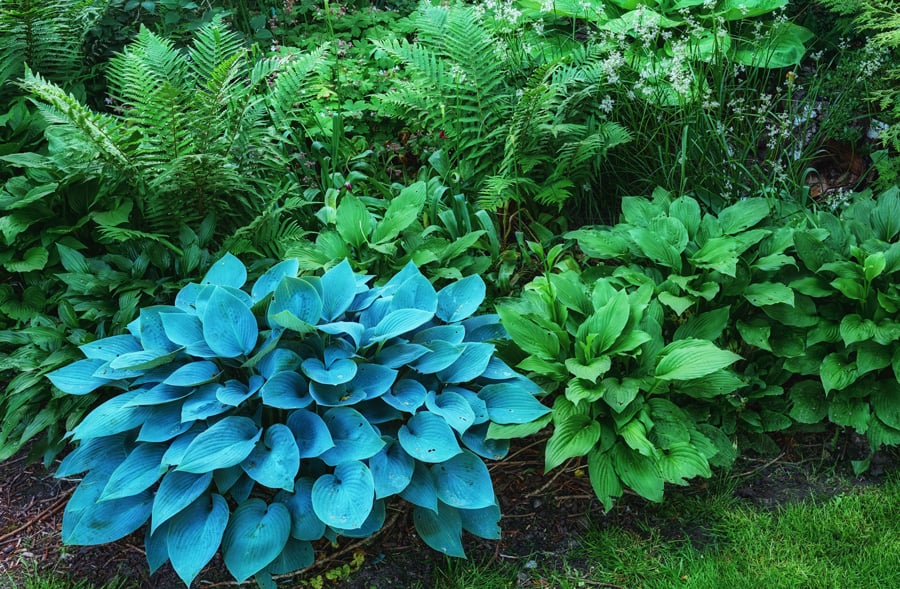
Passion for perennials tends to go together with steady interest in native plants and pollinator gardens. But many new gardeners don’t make the connection between natives, pollinators, and the year-after-year performance of perennials.
Again, catalogs, signage, and social media can help you and your customers educate end consumers, so they connect the dots and see even greater value in the perennial plants they want.
Color and more color (including green)
When it seems the industry has explored every possible plant color, breeders find new ways to create something that looks and feels like it’s never been seen before. Rich, deep bloom colors are deeper than ever; neon-like blooms are shining bright; and foliage colors from yellow-lime to nearly black follow suit.
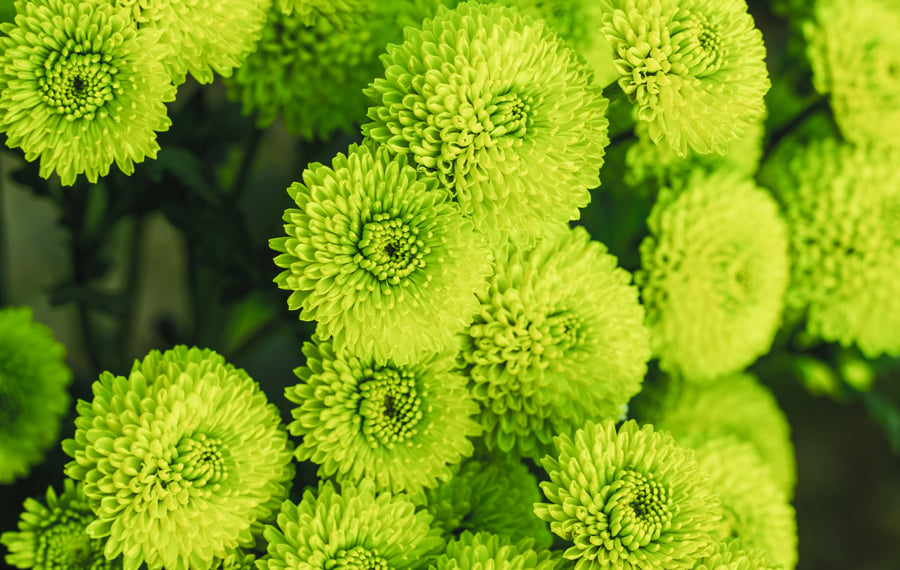
This year’s CAST 2025 was a parade of bicolors, tricolors, carefree mixes, and blooms with multiple color changes. While we won’t see those plants in greenhouses and garden centers until next year, the demand for color, color, and more color is building now.
One of the hottest color trends is the demand for green, as in leaves, without a single colorful bloom in sight. As often happens during uncertain economic times, consumers put added emphasis on their homes and gardens as safe, peaceful retreats.
Green, in all imaginable shades and hues, is leading the way in monochromatic makeovers that turn colorful garden spots into calming, all-green garden rooms. You can help your customers and consumers fulfill the need for green—and maybe generate some extra green of your own.
Here at ICL Growing Solutions, Americas, we like to think of ourselves as trendwatchers and trendsetters. Our favorite trend is seeing our customers grow strong, healthy businesses and healthy, beautiful plants. So give us a call, text, or email—whatever you prefer. Let’s talk about how we can help you grow.

Our knowledge
Tips and advice, the latest technologies, market related information
Explore our knowledge