Whatsapp
  X
X  Mail
Mail  Copy link
 6 Signs Nutrient Uptake Is Limiting Yield Potential And What to Do Next
Stress, rapid growth, and reproductive demand can all limit nutrient uptake. Learn when targeted in-season nutrition can help protect yield potential.
On this page:
How to Know When In-Season Nutrition Will Pay and the Signs Nutrient Uptake Is Limiting Yield Potential
Most fertility programs are built before the planter even hits the field; soil tests are reviewed, yield goals are set, and nutrients are applied with the season in mind.
But once the crop is up and growing, conditions can shift quickly. The question is no longer just whether nutrients are present in the soil, but whether the crop is still able to access and use them efficiently.
Heat, drought, saturated soils, and rapid growth can all slow nutrient uptake, even when the original program was sound. In many cases, the issue isn’t the amount of nutrient applied, it’s whether the plant can actually access it.
Why Nutrient Uptake Becomes a Limiting Factor
A nutrient doesn’t have to be missing from the soil to limit yield.
For that nutrient to support crop performance, several things have to happen at the same time: it must remain available in the soil, roots need to stay active, moisture has to move nutrients toward the root zone, and the plant must be able to transport those nutrients to where they’re needed. On top of that, supply has to keep up with demand as the crop grows.
Environmental stress can interrupt any part of that process.
Dry conditions slow nutrient movement, while saturated soils reduce root activity. Compaction limits root access, and rapid growth can outpace the soil’s ability to supply nutrients. As the crop moves into reproductive stages, demand increases even more sharply.
When these factors overlap, nutrient uptake—not nutrient supply—often becomes the limiting factor, which is where yield potential starts to slip.
Looking for a quick reference guide? Download our Mid-Season Nutrient Chart to match common nutrient uptake challenges with ICL solutions and key product benefits.
6 Signs Nutrient Uptake Is Limiting Yield Potential
Not every field needs in-season nutrition, but there are some consistent situations where it’s more likely to pay.
1. Uneven Canopy After Stress
Are you seeing uneven crop growth across the field?
Weather events like heavy rainfall, drought, or temperature swings often leave behind uneven crop growth across a field.
Differences in color or vigor usually reflect deficiencies or limited nutrient uptake.
Agronomist Insight: After a stress event, uneven growth is often one of the first signs that plants are no longer accessing nutrients uniformly, even if the fertility program was applied consistently.
2. Rapid Growth Is Outpacing Supply
Is plant demand occurring at a time when nutrients can be supplied or taken up?
During warm stretches or periods of peak demand, crops can grow quickly, and nutrient needs can rapidly increase. Early applied nutrients and highly productive soils don’t always mean that nutrients are available at a rate that keeps up with that demand.
Agronomist Insight: This is something we see frequently, everything checks out from a fertility standpoint in terms of pounds of nutrients applied early in the season, but during times of peak demand the nutrients are no longer accessible by the plant roots.
3. Stress During Early Reproductive Stages
Is the crop showing signs of stress during flowering, pollination, or early yield development?
Stages like flowering, pollination, pod set, fruiting, and grain fill are critical for yield development. Stress during this period, disease, environmental or other, often has a larger impact than stress experienced earlier in the season.
Agronomist Insight: This is the point where yield potential becomes actual yield. If nutrient uptake is limited here, it tends to show up at harvest. Thinking about aligning crop protection that occurs at this time with crop nutrition can help support crops through this critical stage.
4. Tissue Test Trends Are Declining
Are tissue test levels trending down during key growth stages?
A single tissue test offers a snapshot, but trends provide much more context. When nutrient concentrations begin to decline during key growth stages, it often indicates that uptake is no longer keeping pace with crop demand.
Agronomist Insight: A downward trend usually shows up before visual symptoms, which makes it one of the earlier and more useful indicators.
5. Root Activity Has Been Restricted
Have conditions like saturated soils, drought, or compaction limited root activity?
Root function is central to nutrient uptake. Periods of saturated soils, drought, salinity, compaction, or temperature extremes can all reduce root activity, even when nutrients are available in the soil.
Agronomist Insight: A lot of in-season deficiencies are really root-function issues. If the roots aren’t actively able to access nutrients, nutrient uptake will be limited regardless of what’s in the soil.
6. Yield Potential Is Still Strong
Does the crop still have the potential to respond and improve from here?
In-season nutrition tends to deliver the best return when the crop still has the ability to respond. Strong stands and favorable conditions increase the likelihood that added support will translate into performance.
Agronomist Insight: The key question is whether the crop still has an upside. If the answer is yes, it’s worth protecting that potential with in-season nutrient applications.
What to Do When You See These Signs
Seeing one or more of these indicators can often be a signal that something is limiting how efficiently the crop is using nutrients that are already there.
The goal is not only to add nutrients, but also to identify and remove the bottleneck affecting uptake.
Step 1: Identify What’s Limiting
Start by narrowing down the likely constraint:
- Multiple nutrients declining → possible imbalance
- Visible stress → plant function may be reduced
- High demand → demand-driven limitation
- Cool or saturated soils → restricted availability
Don’t forget, sometimes there are no obvious symptoms, but possible micronutrient gaps, so tissue testing is always recommended to stay ahead of protecting yield.
Step 2: Match the Response to the Problem
In-season nutrition tends to work best when it’s targeted. Broad applications can help, but aligning the solution with the specific crop demand or limitation usually leads to more consistent results and better return.
Also, consider the soil and how uptake could be supported by targeting pH or microbial activity in the rhizosphere.
Step 3: Time Applications Carefully
Timing plays just as important a role as product selection.
Applications are typically most effective when the crop is actively growing, entering vegetative and reproductive stages, recovering from stress, or approaching peak nutrient demand. Even better is if you can align your nutrition passes with crop protection to reduce field passes and save time and money.
Matching Nutritional Support to the Limitation – Find a Solution
A balanced approach can help maintain overall nutrient availability during high-demand periods. Taking a systems approach, supporting soil health, and looking for highly compatible products that can improve crop performance by delivering a broader nutrient profile can help.
- When Plant Function Is Limited by Stress
- Stress can reduce photosynthesis and slow nutrient movement within the plant.
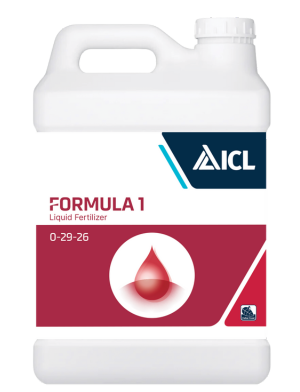
- Formula 1 phosphite technology is designed to support nutrient uptake and plant function under these conditions.
- Also consider biostimulants or enhanced fertilizers like BIOZ® Jet or BIOZ® Diamond to improve nutrient uptake.
- When Potassium Demand Peaks
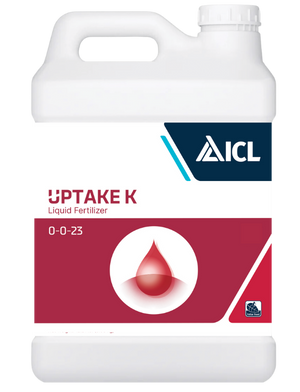
- When demand peaks, a highly available foliar source of potassium like Uptake K can deliver an efficient in-season solution and support water regulation, stress tolerance, and crop quality.
- When Phosphorus Becomes Limited
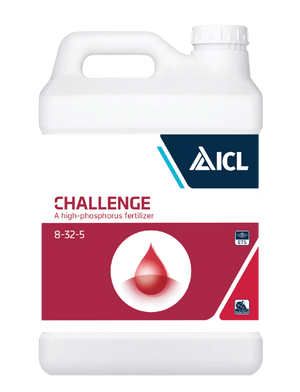
- When phosphorus availability declines in cool, saturated, or restricted soils a foliar phosphorus like CHALLENGE efficiently supplements soil-applied fertility and addresses in-season needs at lower rates than conventional P due to its high efficiency formulation.
- When Micronutrient Gaps Develop (or to avoid them)
- Micronutrient limitations often begin before visible symptoms appear, and deficiencies can compromise the efficiency of other inputs.
- X-TRA micronutrient fomulations help maintain nutrient balance and support overall plant performance, helping fill nutrient gaps proactively.
- When You Want to Make the Most of Every Drop
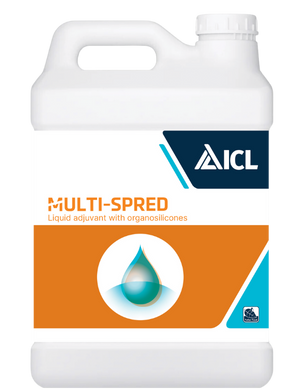
- Adjuvants help improve spray coverage, performance, and overall application efficiency.
- Choosing the right adjuvant depends on your goals and tank mix, so talk to a trusted ICL expert to ensure the best fit for your spray program.
Agronomist Takeaway
In-season nutrition isn’t about adding more inputs for the sake of it.
It’s about recognizing when the crop is no longer keeping up and making timely adjustments to help it continue using the nutrients already in the system or strategically provide what’s missing. Environmental stress, rapid growth, pH changes, and reproductive demand can all create temporary bottlenecks in uptake.
When nutrient uptake becomes the limiting factor, a well-timed response can make a meaningful difference in protecting yield potential.
Need Help Diagnosing Nutrient Uptake Limitations? Talk with an ICL agronomist for guidance on interpreting field conditions, tissue test results, and selecting the most effective in-season nutrition program for your operation.
Common Questions About In-Season Nutrition
Why focus on tissue trends instead of single tests?
Trends show whether nutrient uptake is keeping pace with growth over time.
When does in-season nutrition provide the best return?
1) By watching tissue analysis trends and applying nutrients before they drop below sufficiency levels 2) in anticipation of increasing demand 3) when yield potential remains strong.
Can crops become nutrient deficient even when soil tests are adequate?
Yes. Soil tests indicate nutrient availability in the soil, but environmental stress, restricted root activity, rapid growth, and reproductive demand can all reduce the plant’s ability to absorb and use those nutrients effectively.
How does drought affect nutrient uptake?
Drought reduces nutrient movement in the plants, or soil, limiting root activity, making uptake less efficient.