


 Whatsapp
  X
X  Mail
Mail  Copy link
 Growing Forage Crops – Crop Nutrition 101
Forage crops play a vital role in integrated agricultural systems, serving as the primary source of nutrition for livestock.
Crop Nutrition Information for Growing Forage:
What Are Forage Crops?
Forage crops are cultivated primarily to provide feed for livestock, supporting dairy, meat, and wool production through a consistent source of quality nutrition. From temperate pastures to tropical forage systems, forage crops play an important role in livestock production, farm productivity, and sustainable land management.
Crop Diversity and Agronomic Value
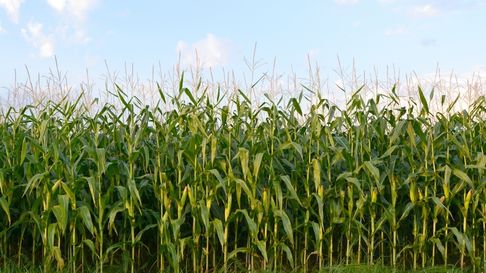
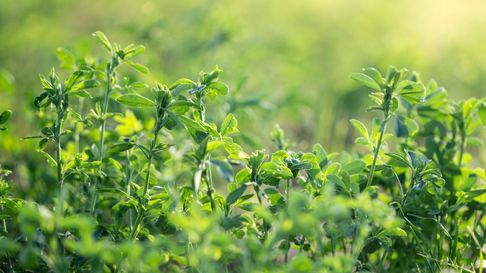
Forage crops include a diverse range of fast-growing grasses, protein-rich legumes, energy-dense cereals, and other crops used for grazing, hay, or silage. Their cultivation is often tailored to local climate, soil conditions, livestock needs, and production systems. Grasses such as ryegrass and timothy provide fiber and digestibility, while legumes like clover and alfalfa contribute nitrogen to cropping systems through biological nitrogen fixation and provide a valuable source of protein. Cereal crops, including corn and sorghum, are widely grown for silage and provide an energy-rich feed source.
Beyond their nutritional value, forage crops can play an important agronomic role in farming systems. They can contribute to soil structure, erosion management, and crop rotation strategies designed to maintain long-term soil fertility. Their adaptability allows forage crops to be incorporated into a variety of production systems, including grazing, hay, and silage programs.
Fertilization Strategies for Forage Crops
Fertilization strategies for forage crops should account for biomass production, forage quality, and soil nutrient needs. Nitrogen is an important nutrient for vegetative growth, while potassium plays a role in plant water regulation and overall crop development. Sulfur is also important because it is required for the synthesis of amino acids involved in protein formation—an important consideration in forage production.
ICL’s unique 4-in-1 natural fertilizer Polysulphate provides sulfur, potassium, magnesium, and calcium in a single granule. Polysulphate has also been evaluated in field trials on grassland, including research examining forage yield and crude protein. Certified for organic agriculture, Polysulphate can be incorporated into nutrient management programs for a variety of forage production systems.
Forage crops can also benefit from other fertilizer products within the ICL portfolio including our granular product PKpluS.
ICL’s Commitment to Forage Crop Nutrition
ICL provides nutrient solutions and agronomic expertise for forage production systems. Through crop nutrition programs, field research, and a diverse fertilizer portfolio, ICL works with growers to address the nutritional requirements of forage crops across a range of growing conditions and production systems.
Recommended Products


Digital Tools
Calculators to improve nutrient management and boost productivity


