

 Whatsapp
  X
X  Mail
Mail  Copy link
 Our portfolio
Sustainable and innovative solutions to increase your crop yield
Explore our products


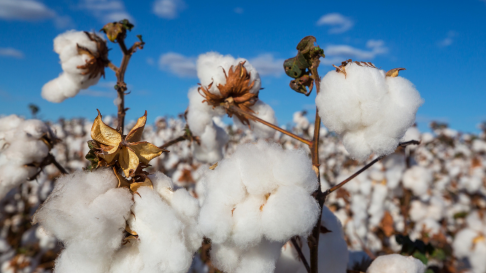
From ancient civilizations to modern bioeconomies, fiber crops have played a central role in shaping industries and livelihoods. Today, they are increasingly recognized not only for their commercial value but also for their contribution to sustainable farming systems.
Fiber crops are grown across diverse agroclimatic zones and offer multiple agronomic benefits:
Fiber crops vary widely in their botanical origins, cultivation purposes, and end uses. Some, like cotton and jute, are grown specifically for their fiber-rich tissues, which are processed into textiles, ropes, and industrial materials.
Cotton, a member of the Malvaceae family, is the backbone of the global textile industry, used in everything from clothing to paper. Jute, also in the Malvaceae family, is prized for its coarse fibers used in burlap sacks and ropes. Flax, from the Linaceae family, serves a dual purpose: its stems yield linen fibers, while its seeds are harvested for oil and nutritional products. Hemp, belonging to the Cannabaceae family, is a versatile crop cultivated for fiber, seeds, and biomass. Its strong, durable fibers are used in textiles, bioplastics, and construction materials.
This diversity in cultivation intent and fiber characteristics influences how these crops are managed agronomically, especially when it comes to fertilization and sustainability strategies.
Fiber crops require carefully balanced nutrition to support vigorous growth, high biomass production, and strong, high-quality fibers. While each crop has its own physiological traits and growing conditions, several core nutrient principles apply across the board.
Nitrogen is essential for early vegetative growth and biomass accumulation. However, excessive nitrogen—particularly in cotton and flax—can lead to overly lush foliage, delayed maturity, and reduced fiber strength. Managing nitrogen through moderate rates and split applications or the use of controlled-release fertilizers helps maintain the balance between growth and fiber quality.
Phosphorus plays a key role in root development and early plant establishment. It is especially important in crops like hemp and jute, which benefit from strong root systems to support rapid vertical growth and fiber elongation.
Potassium is critical for fiber formation, elasticity, and disease resistance. In cotton, potassium improves boll retention and fiber fineness, while in jute and sisal, it enhances tensile strength and processing quality. Potassium also supports water regulation and stress tolerance, particularly in drought-prone regions.
Sulfur contributes to protein synthesis and cell wall development, which directly influences fiber texture and durability. It is particularly valuable in cotton and jute, where sulfur deficiency can lead to poor fiber formation and reduced yield.
Calcium and magnesium improve cell wall integrity and photosynthetic efficiency. These nutrients are especially relevant in perennial crops like sisal and coconut palms, where long-term soil health and structural resilience are key to sustained productivity.
Micronutrients such as boron, zinc, and iron play vital roles in vascular development, flower formation, and fiber elongation. Hemp, for example, is sensitive to boron deficiencies, which can impair stem strength and fiber uniformity.
Fertilizing fiber crops like cotton and hemp requires a strategic approach that balances nutrient supply with crop development and soil conditions. ICL offers a range of fertilization technologies designed to meet the specific needs of fiber crops, ensuring consistent growth and high-quality fiber production:
By integrating ICL’s fertilization solutions into fiber crop management, growers can achieve higher yields, superior fiber quality, and long-term sustainability—while contributing to the circular bioeconomy.

