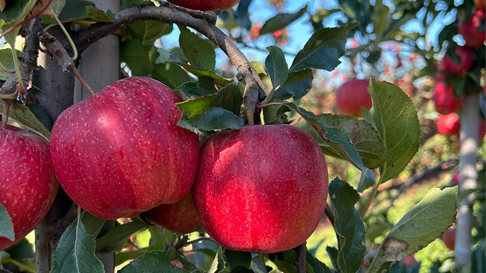
Cultivated for their edible reproductive structures, these crops range from temperate orchard trees to tropical perennials and soft fruits. Their cultivation supports global food security, nutrition, and rural economies, while offering unique agronomic challenges and opportunities.
Classification of Fruit Crops
Fruit crops are typically grouped by botanical traits and growth habits:
- Tree Fruits: Apples, pears, peaches, nectarines, and citrus are long-lived perennials with deep root systems and seasonal dormancy.
- Vine Fruits:Grapes and kiwifruit require trellising and canopy management to optimize light interception and airflow.
- Soft Fruits: Strawberries, raspberries, and blueberries are herbaceous or shrubby plants with delicate fruit structures and short shelf life.
- Nut-Producing Trees: Almonds, walnuts, pecans, and pistachios are technically fruits and represent high-value perennial crops.
Agronomic Importance
Fruit crops offer several advantages over annual agronomic crops:
- High productivity: Yields of crops like grapes can be 10–15 times higher than those of cereals.
- Year-round engagement: As perennials, fruit crops allow continuous farm operations and efficient use of labor and machinery.
- Utilization of marginal lands: Hardy species apples can be grown on poor soils unsuitable for grains.
- Raw materials for other industries: Fruits support processing sectors including canning, juicing, and pharmaceuticals.
Nutritional Demands
Fruit crops have complex and dynamic nutrient requirements that vary by species, growth stage, and climate. Key nutrients include:
- Nitrogen (N): Essential for vegetative growth, but excessive levels can reduce fruit quality and delay ripening.
- Phosphorus (P): Supports root development, flowering, and early fruit set.
- Potassium (K): Critical for fruit size, sweetness, color, and shelf life.
- Calcium and Magnesium: Improve fruit firmness, cell wall integrity, and resistance to physiological disorders. Important for shelf life.
- Micronutrients: Boron, zinc, and iron play vital roles in pollination, chlorophyll synthesis, and fruit development.
Fertilization Strategies
Effective fertilization in fruit crops demands both precision and adaptability to meet dynamic nutrient requirements throughout the growing cycle. Targeting specific growth stages—such as pollination, early fruit set, mid-season development, and post-harvest recovery—is essential, as each phase presents distinct nutritional peaks.
Regular soil and leaf analyses provide critical insights that help tailor nutrient applications and prevent deficiencies. Advanced techniques like fertigation and foliar feeding enable precise delivery of nutrients, especially in high-value orchard systems where efficiency is paramount. Moreover, adopting an integrated soil fertility management approach, which blends organic, inorganic, and microbial inputs, enhances soil health and optimizes nutrient use, contributing to long-term productivity and sustainability.
Fertilization Strategies with ICL Solutions
Fruit crops demand precision in nutrient management to ensure optimal yield, quality, and resilience. ICL offers a comprehensive range of fertilization technologies tailored to the unique needs of fruit crops across growth stages and climates.
- Water-Soluble Fertilizers (WSF) and Liquid Fertilizers: Ideal for fertigation and foliar feeding, ICL’s WSF and Liquid Fertilizer formulations deliver targeted nutrition during flowering, fruit set, and ripening. Especially products from the Nova range as well as CHALLENGE, Uptake K, and FORMULA 1 enable to create tailor-made solutions for specific crops and crop stages to enhance uptake efficiency and reduce nutrient losses.
- Controlled-Release Fertilizers (CRF): ICL’s Agroblen and Agrocote brands provide season-long nutrition with minimal leaching. They are especially suitable as a reliable source of base nutrition for orchards and plantations, supporting steady growth and fruit development while reducing labor and application frequency.
- Polysulphate-Based Fertilizers: Derived from a natural mineral, Polysulphate offers a unique combination of potassium, magnesium, calcium, and sulphur. Its low chloride content makes it ideal for chloride-sensitive fruit crops like strawberries, grapes, and citrus.
- Biostimulants and Enhanced Nutrient Fertilizers: Products from the Bioz and X-TRArange support plant resilience, stress tolerance, and nutrient uptake, especially under challenging conditions such as drought, heat, salinity, etc.
ICL’s fertilization programs are backed by agronomic expertise and tailored recommendations based on soil and leaf analysis. It ensures that growers can respond dynamically to crop needs throughout the season.
Sustainability and Innovation in Fruit Crop Nutrition
ICL is committed to advancing sustainable fruit production through innovative nutrient technologies and responsible agronomic practices based on global research and extensive field trials. The company collaborates with growers and institutions worldwide to validate product performance and refine crop-specific protocols.
By integrating ICL’s solutions into fruit crop management, growers can achieve consistent quality, improved shelf life, and enhanced resilience—while contributing to a more sustainable agricultural future.


 Whatsapp
  X
X  Mail
Mail  Copy link