


 Whatsapp
  X
X  Mail
Mail  Copy link
 Why ornamental horticulture is moving away from peat
The shift to new growing media is driven by the concern about peat’s long term availability, a greater attention to sustainability and legislation reasons.
On this page:
The shift towards new growing media
As the horticultural industry evolves, growers are increasingly exploring alternatives to peat in growing media. This shift is driven by several factors, including greater attention to sustainability, concerns about the long-term availability of peat resources, and the fact that peat forms extremely slowly over thousands of years. In parallel, several countries have introduced, or are considering introducing, legislation to reduce peat use in professional horticulture. As a result, peat-reduced and peat-free substrates are becoming an increasingly important part of ornamental plant production. While these materials can offer valuable benefits, they also have distinct physical, chemical, and nutritional characteristics that may require adjustments to traditional crop management practices.
Understanding how these materials behave is an important first step toward maintaining healthy crops, consistent growth, and reliable production outcomes.
Common peat alternatives in ornamental horticulture production
As mentioned, regulatory developments and sustainability goals have accelerated the search for peat alternatives, with growers and growing media manufacturers increasingly focusing on materials that deliver consistent, predictable performance throughout the crop cycle.
Coir, bark, wood fiber, and compost are among the main organic ingredients that substrate mixes may include alongside traditional inorganic components such as perlite, loam, sand, and grit.
These materials should not be viewed simply as direct replacements for peat. Each has unique physical and chemical properties that influence water availability, aeration, nutrient retention, and root-zone conditions. Consequently, peat-reduced and peat-free substrates often require different management approaches than traditional peat-based growing media.
For example, many alternative materials have lower buffering capacity and reduced nutrient retention than peat, making careful irrigation and nutrition management increasingly important for consistent performance.
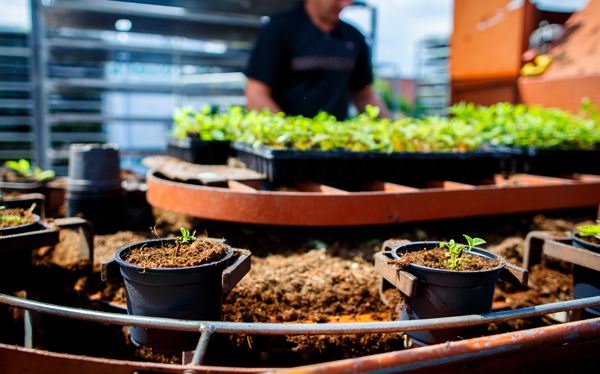
How different raw materials influence substrate characteristics
Wood fiber – The successful use of wood fiber as a peat alternative depends on the material’s specific physical and chemical characteristics. Compared with peat, wood fiber-based substrates typically have lower buffering capacity and reduced nutrient retention, two important factors that can influence crop stability.
Bark – As growing media increasingly incorporate organic components other than peat, bark has become one of the most widely used alternative materials in ornamental horticulture. Bark primarily contributes to substrate structure by improving porosity, oxygen diffusion, and mechanical stability.
Coir – Derived from coconut husks, coir can be supplied as fiber, chips, or coco peat, each with distinct physical characteristics. It is important to understand which material is being used, as nutrient content may vary and can include potassium (K), manganese (Mn), boron (B), zinc (Zn), sodium (Na), and chloride (Cl). Its low bulk density can also help reduce transport costs.
Compost – The characteristics of green compost can vary considerably depending on the source materials used in its production. Compost may contain significant levels of phosphorus (P), potassium (K), calcium (Ca), and trace elements. However, growers should also be aware of potential contamination risks, including herbicide residues or weed seeds.
Understanding the characteristics of peat alternatives
As with any growing medium component, understanding the benefits and limitations of each material is essential for consistent results. Peat alternatives can support enhanced root development, effective drainage, improved re-wetting performance, and other desirable substrate characteristics, despite lower buffering capacity and reduced nutrient retention. What matters most is understanding how these characteristics influence crop management. By monitoring key parameters such as water retention, EC, pH, and nutrient availability, growers can adapt their practices to get the best performance from each substrate component.
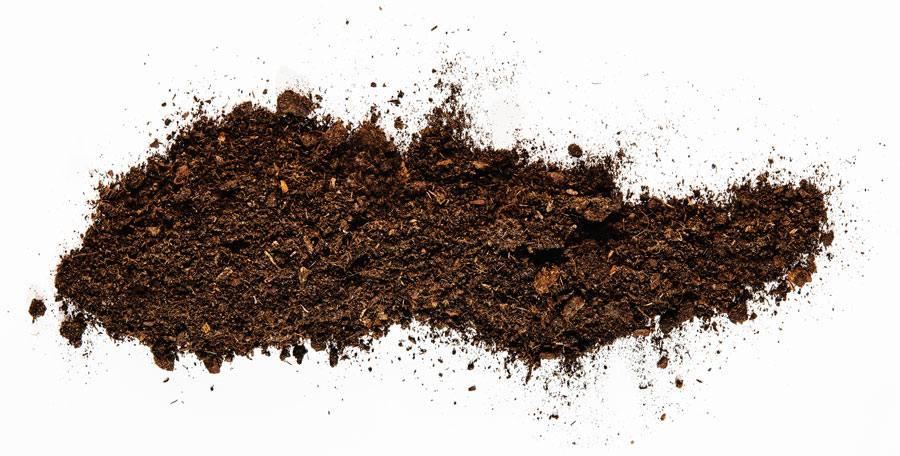
Successful plant growing starts with monitoring
Plants grown in peat-reduced and peat-free substrates can be just as healthy and marketable as those grown in traditional peat-based media. Success depends on understanding how the substrate behaves and knowing which parameters to monitor throughout the crop cycle. Regular assessment of EC, pH, moisture levels, and potential nitrogen drawdown helps growers make timely irrigation and nutrition adjustments, ensuring stable growing conditions and consistent crop performance.
Conclusion
By considering both the physical properties and nutritional implications of coir, bark, wood fiber, and compost, growers can make informed substrate choices and adapt crop management practices to support long-term production success. For personalized guidance, contact your local ICL Representative.

Our knowledge
Tips and advice, the latest technologies, market related information
Explore our knowledge