


 Whatsapp
  X
X  Mail
Mail  Copy link
 Boron Deficiency in Ornamental Plants: Symptoms and Treatment
Boron is an essential micronutrient required for the normal development of meristematic tissues, including the growing points of shoots, leaves, and flowers.
On this page:
It plays a key role in cell wall formation, carbohydrate transport, and pollen viability. Because boron is poorly mobile within the plant, deficiency symptoms appear first in young tissues. Although not common, boron deficiency can occur in high‑pH or calcareous substrates, or when excessive nitrogen disrupts micronutrient balance. When boron supply is inadequate, the development of both shoot and root apices is compromised, directly affecting plant quality and marketability.
Which are Boron Deficiency Symptoms of Ornamental Plants
Leaf symptoms
- Chlorosis and deformation of young leaves – early symptoms include yellowing, distortion, wrinkling, or thickening of newly formed leaves.
- Necrotic areas at leaf tips and margins – brown or dead tissue may develop at the apex or along the edges, often progressing inward.
- Brittle or corky texture – in some species, leaves become unusually thick, brittle, or fragile.
Growth abnormalities
- Stunted and irregular shoot growth – reduced stem elongation, short internodes, and compromised apical meristems. Severe cases may produce witches’ broom‑like growth.
- Flower deformation – flowers may be small, malformed, or collapse prematurely due to impaired tissue development.
Root system effects
- Reduced root elongation – roots may appear shorter, thicker, and less branched.
- Death of root tips – meristematic root tissues are particularly sensitive to boron deficiency.
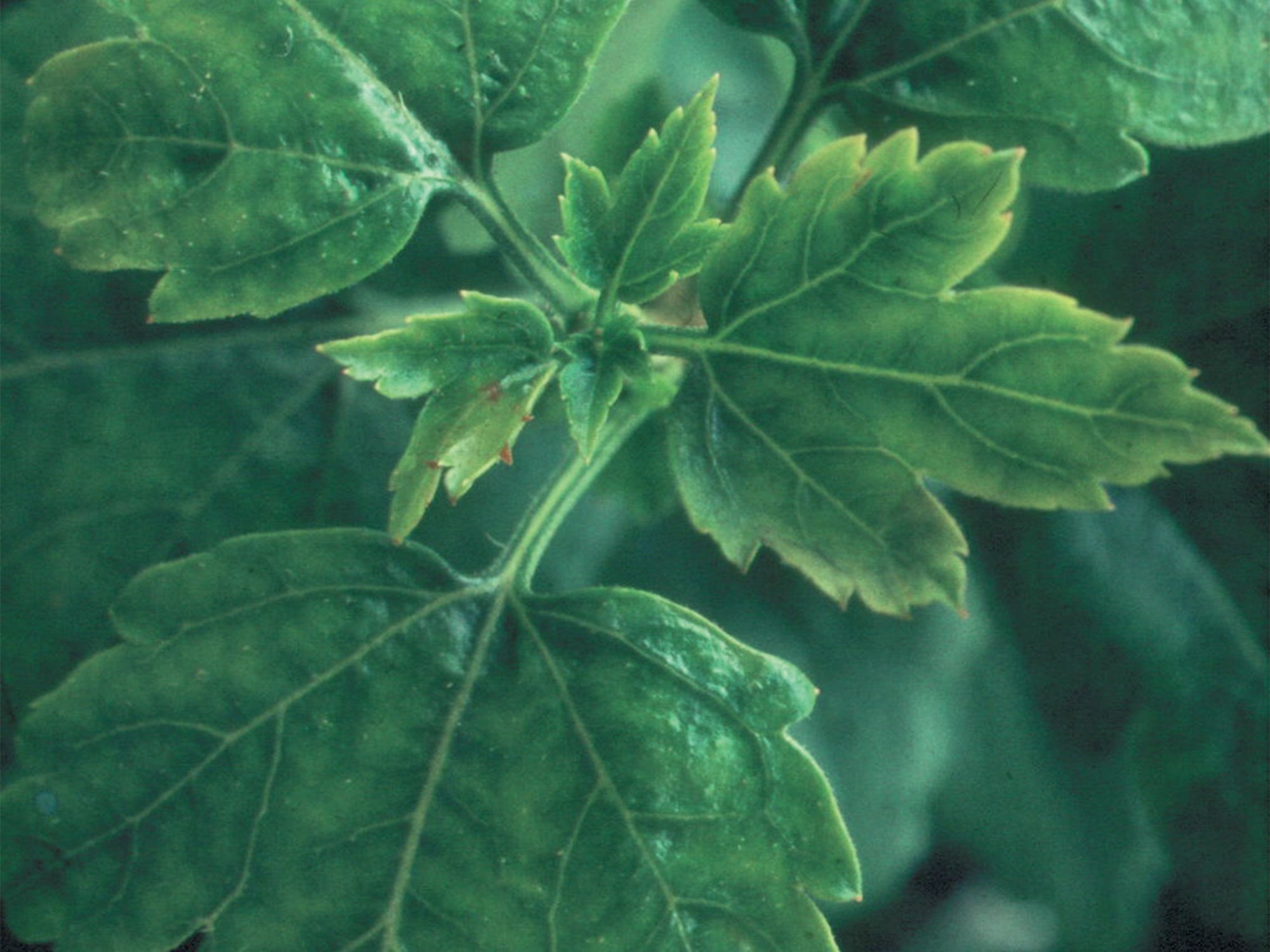
Boron-deficient Ribes with necrosis on leaf tips and margins.
Boron Deficiency Effects on Ornamental Plants
- Reduced water and nutrient uptake – impaired root development limits the plant’s ability to absorb essential resources (i.e. water and nutrients).
- Lower yields and poor flowering – boron is critical for cell division and carbohydrate metabolism; deficiency reduces both bloom quantity and quality.
- Economic losses – deformed growth, weak flowering, and reduced vigor significantly decrease the commercial value of ornamental crops.
How to Manage Boron Nutrition to Avoid Deficiencies
- Substrate or leaf analysis: because symptoms can resemble other disorders, analytical testing is essential for accurate diagnosis.
- Fertilization: boron can be supplied through fertilizers containing borax or other boron compounds. Caution is critical: the margin between deficiency and toxicity is narrow. Application rates must be based on analysis results and crop sensitivity.
- Foliar applications: in severe deficiency or when rapid correction is needed, foliar boron provides a fast response. However, the same caution regarding dosage applies.
- pH management: boron availability decreases in alkaline substrates. Maintaining pH within the optimal range for the crop supports consistent uptake.
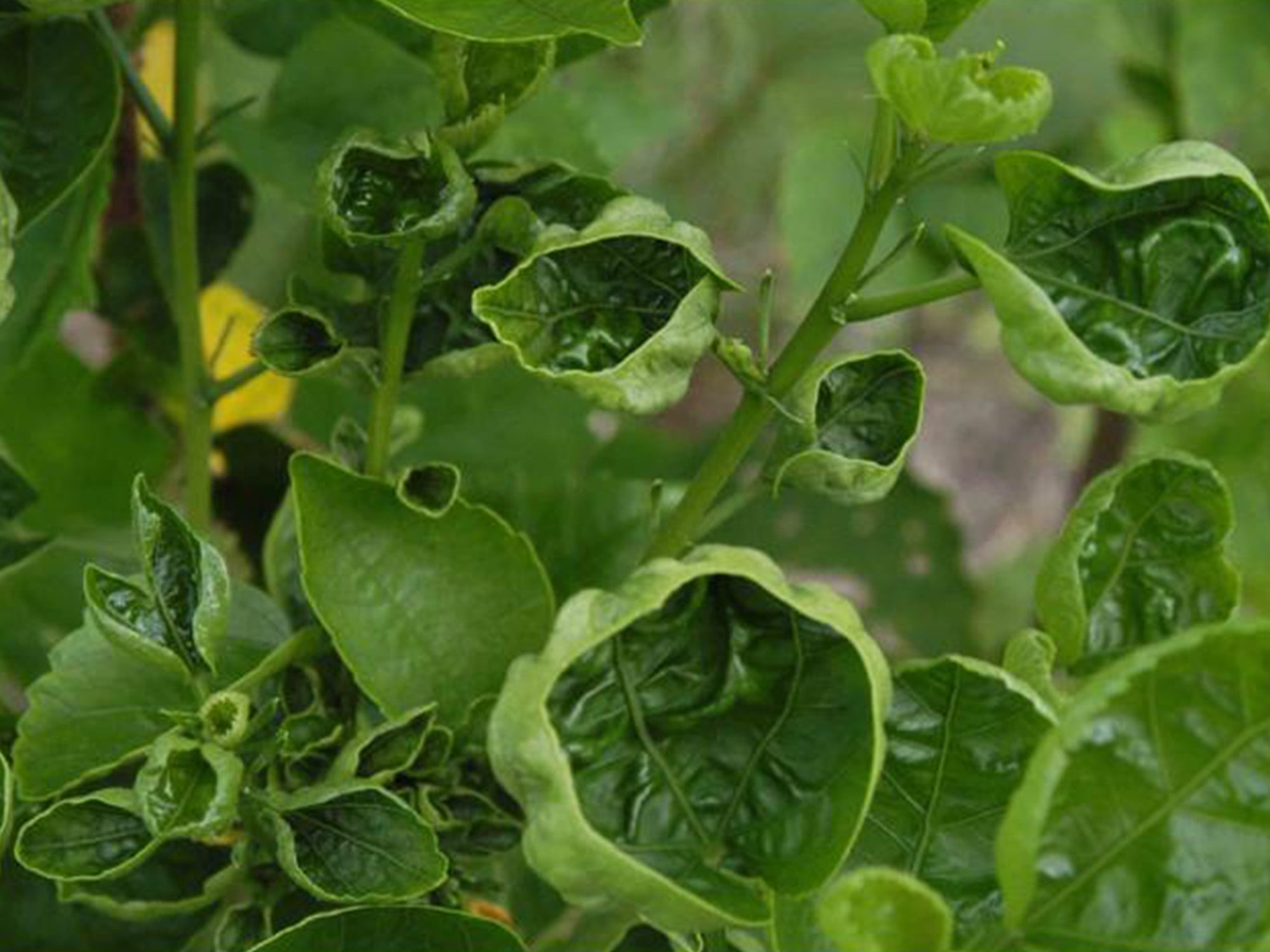
Hibiscus with deformed young leaves caused by boron deficiency.
Boron deficiency varies by species and growing conditions. Regular visual monitoring, combined with substrate and tissue analysis, ensures early detection and precise correction. Because excessive boron can quickly become toxic, always follow recommended application rates and adjust fertilization programs carefully.
How to Fix Boron Deficiency
Instead of relying solely on boron‑based fertilizers, applying a balanced micronutrient package such as Micromax Premium ensures a complete, well‑proportioned supply of essential trace elements. This supports strong, uniform growth and reduces the risk of micronutrient imbalances.
Boron-deficient plants need a targeted boost to restore healthy growth and leaf color. Peters Professional water‑soluble fertilizers (NPK + micronutrients) provide an immediate, balanced supply of nutrients, supported by the exclusive M‑77 technology that enhances uptake and helps plants return quickly to a normal growth curve.
To prevent deficiency symptoms from developing, your local ICL technical advisor can design a tailored nutrition program using AngelaWeb 3.0. This approach combines CRF (Controlled Release Fertilizers) with WSF (Water‑Soluble Fertilizers) to match your crop, substrate, water quality, and production goals. In many cases, the optimal combination includes Osmocote 5 together with water-soluble products Peters or Universol.
For personalized guidance, contact your regional technical support by visiting your country’s website.


Our knowledge
Tips & tricks, disease prevention, crop and market related information
Explore our knowledge