


 Whatsapp
  X
X  Mail
Mail  Copy link
 Copper Deficiency in Ornamental Plants: Symptoms and Treatment
Copper is an essential micronutrient involved in photosynthesis, respiration, vitamin formation, and several enzyme systems that regulate plant growth.
On this page:
Copper also plays a key role in lignin formation, which strengthens cell walls and supports structural rigidity. Because copper is relatively immobile within the plant, deficiency symptoms typically appear first on young leaves and new shoots.
Copper deficiency is more common in crops grown in peat‑based substrates, very sandy soils, or media with high organic matter, where copper becomes strongly bound and unavailable. High pH, excessive liming, or imbalanced fertilization can further reduce copper uptake. If not corrected, copper deficiency can lead to weak growth, poor flowering, and increased susceptibility to diseases.
Which are the Copper Deficiency Symptoms of Ornamental Plants
Copper deficiency produces a distinct set of symptoms, often beginning at the top of the plant:
- Interveinal chlorosis on young leaves – yellowing between the veins is one of the earliest and most common signs.
- Leaf necrosis – as the deficiency progresses, necrotic patches may develop at the leaf margins or between veins. Affected areas turn brown and dry.
- Stunted growth and weak shoots – plants may show reduced stem elongation, soft or flexible shoots, and a general lack of vigor.
- Rosette‑like apical development – growing points may become compact, producing small, distorted leaves and malformed flowers.
- Distorted or twisted new growth – young leaves may curl or lose stiffness due to impaired lignification.
- Poor flowering – buds may be small, deformed, or fail to open properly.
Because copper is not easily redistributed within the plant, symptoms remain concentrated on young tissues.
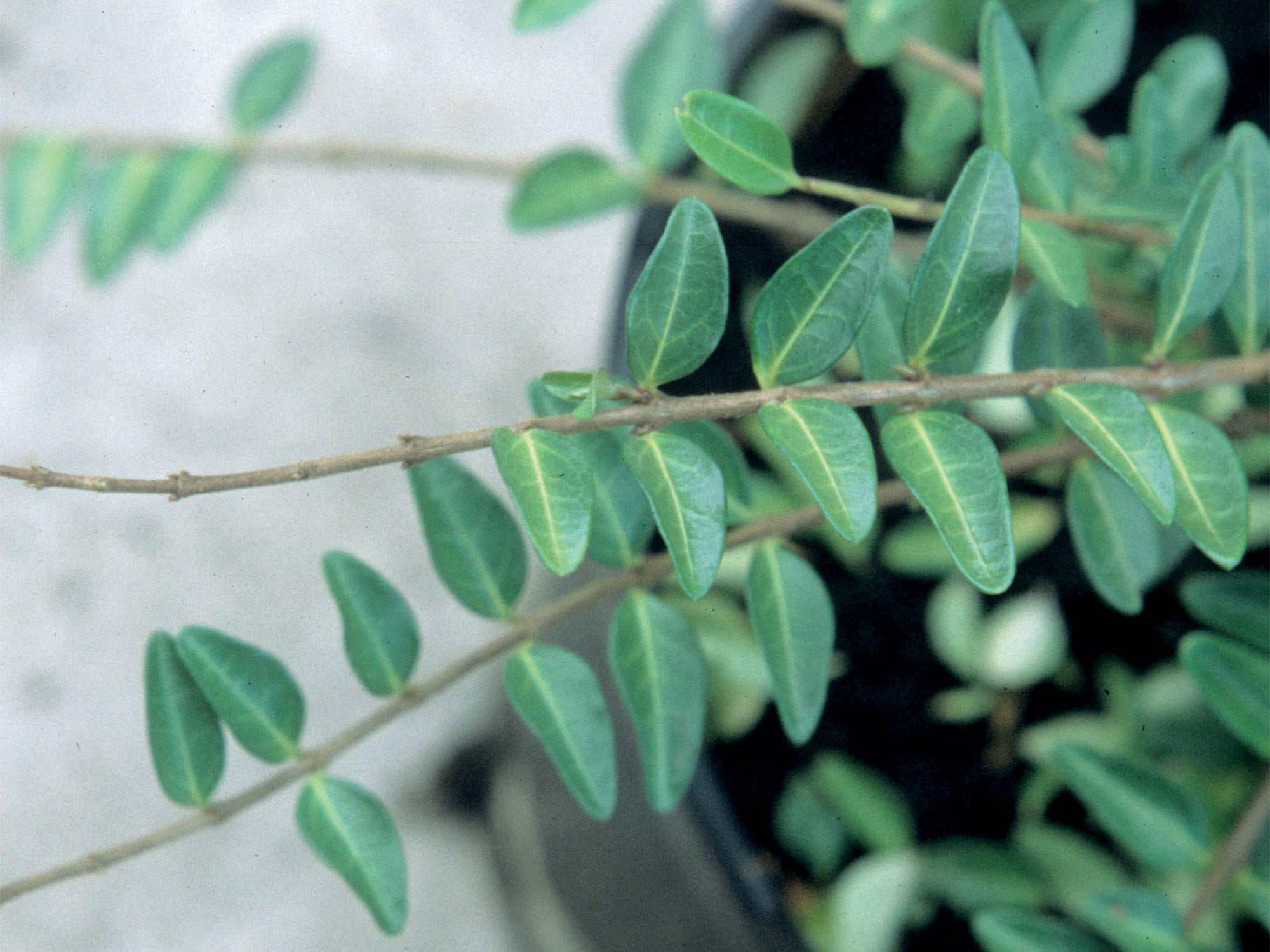
Copper-deficient Lonicera with affected young shoots.
Copper Deficiency Effects on Ornamental Plants
Copper is involved in several biochemical pathways essential for plant strength and development. When copper is insufficient or unavailable, the following effects may occur:
- Reduced photosynthesis -copper is essential for enzymes involved in energy production; deficiency slows growth and reduces vigor.
- Weak structural development – poor lignification results in soft stems, weak shoots, and increased breakage.
- Higher susceptibility to pathogens – copper contributes to natural plant defense mechanisms. Deficient plants are more vulnerable to fungal and bacterial infections.
- Overall decline in plant quality – chronic deficiency leads to poor growth, weak structure, and reduced ornamental value.
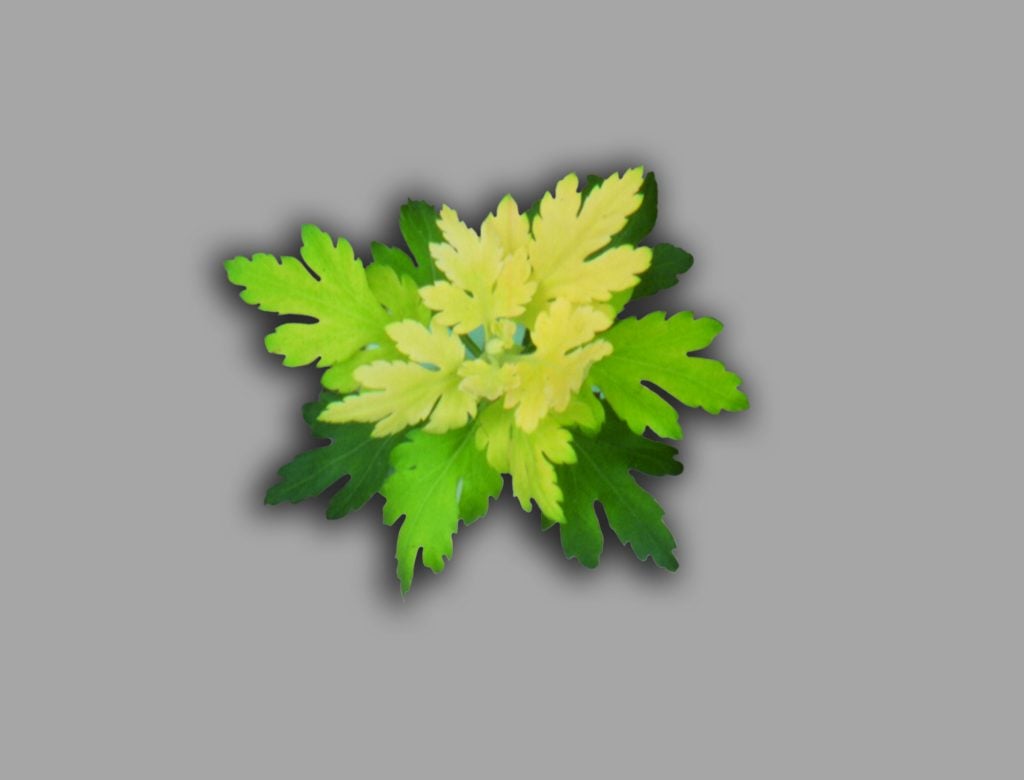
Severe chlorosis on the youngest chrysanthemum leaves as a result of copper deficiency in the plant.
How to Manage Copper Nutrition to Avoid Deficiencies
Effective management focuses on improving copper availability and preventing conditions that reduce uptake:
- Fertilization: apply copper‑containing fertilizers (such as copper chelates or copper sulfate) at recommended rates. Important: Excess copper can be toxic, so avoid over‑application!
- pH management: copper availability decreases sharply in alkaline substrates. Lowering pH improves copper uptake. Remember that pH affects the availability of all nutrients, not only copper.
- Balanced micronutrient supply: using complete micronutrient packages ensures copper is supplied in the correct proportion and prevents imbalances.
- Monitor plant response: track improvements after treatment and adjust copper inputs carefully to avoid toxicity.
- Improve root conditions: ensure good aeration and avoid waterlogging to support nutrient uptake.
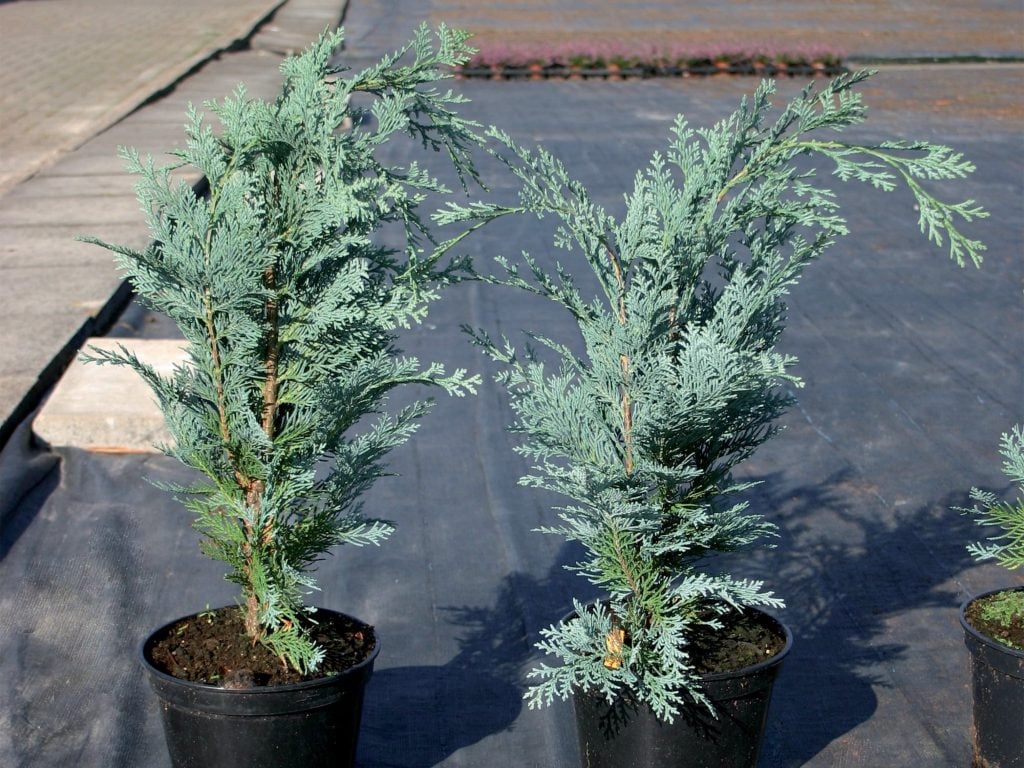
Chamaecyparis lawsoniana ‘Columnaris’ show overall weak structural development due to the lack of copper.
Copper deficiency is a relatively uncommon but impactful disorder in ornamental horticulture. Because copper is required in small amounts yet plays a vital role in structural strength and plant defense, even mild deficiencies can significantly affect plant quality. With proper pH management, balanced micronutrient supply, and regular monitoring, growers can prevent copper deficiency and maintain strong, resilient plants.
How to Fix Copper Deficiency in Ornamental Plant
Instead of relying solely on copper-based fertilizers, applying a balanced micronutrient package such as Micromax Premium ensures a complete, well‑proportioned supply of essential trace elements. This supports strong, uniform growth and reduces the risk of micronutrient imbalances.
Copper-deficient plants need a targeted boost to restore healthy growth and leaf color. Peters Professional water‑soluble fertilizers (NPK + micronutrients) provide an immediate, balanced supply of nutrients, supported by the exclusive M‑77 technology that enhances uptake and helps plants return quickly to a normal growth curve.
To prevent deficiency symptoms from developing, your local ICL technical advisor can design a tailored nutrition program using AngelaWeb 3.0. This approach combines CRF (Controlled Release Fertilizers) with WSF (Water‑Soluble Fertilizers) to match your crop, substrate, water quality, and production goals. In many cases, the optimal combination includes Osmocote 5 together with water-soluble products Peters or Universol.
For personalized guidance, contact your regional technical support by visiting your country’s website.


Our knowledge
Tips & tricks, disease prevention, crop and market related information
Explore our knowledge