


 Whatsapp
  X
X  Mail
Mail  Copy link
 Using data to grow smarter, greener, and better plants
“Smart tech needs smart growers: data doesn’t steer itself.”
On this page:
Levoplant is a leading grower of phalaenopsis and a frontrunner in data-driven cultivation. According to the nursery’s cultivation specialist Danny Immerzeel, it offers many benefits: “Working with data allows us to grow more sustainably and get the best out of the crop. But it also requires something in return: you need to trust sensors and algorithms and analyze and interpret the data correctly.”
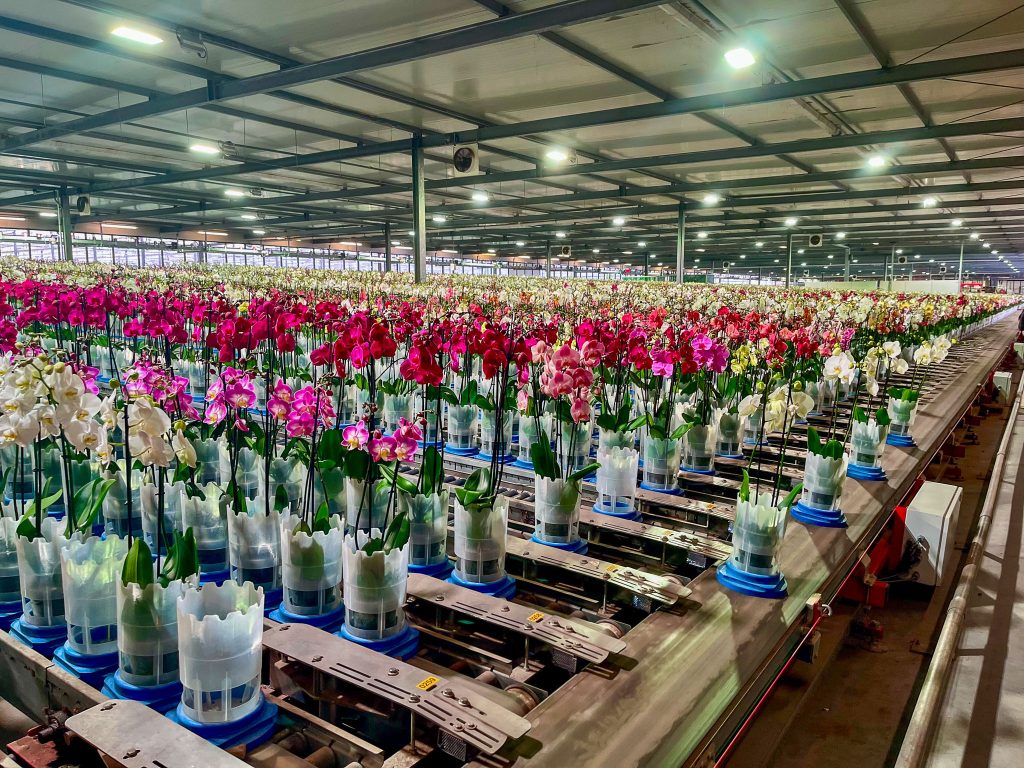
With 11 hectares, Levoplant is one of the largest orchid nurseries in Europe. The company, owned by Ron Fransen and Henry Duijvestijn, currently operates at three locations in the Westland region in the Netherlands. A fourth location is planned for 2026. “That will bring us to 17 hectares,” says Danny.
“Our locations are state-of-the-art in every sense. We grow under full LED lighting and have taken major steps in making our energy supply more sustainable. We make extensive use of geothermal heat, work with heat pumps, and have a thermal energy storage system.”
Why growers still matter in an automated greenhouse
Levoplant has been working with data-driven cultivation for many years. In recent years, these technologies have rapidly expanded, according to Danny.
“We’ve had PAR sensors measuring light levels in the greenhouse for over 20 years. For the past three years, we’ve also been using the ultra-smart IIVO climate computer. We enter our target daily PAR value into the system. Based on sensor input, pyrgeometer data, and weather forecasts, the IIVO then determines which actions are needed to meet that PAR target. It adjusts the screen settings automatically. That way, we can be confident our plants get the right amount of light every day.”
Danny emphasizes that the human role in the nursery remains critical. “You still have to determine the right targets and settings yourself,” he says. “In other words: before the boat can set sail, you have to plot the course. After that, it can sail autonomously, but you must continue monitoring it from shore. You also need to learn to trust in the sensors and algorithms. That takes time.”
From gut feeling to data-driven action
Levoplant collects much more data in the greenhouse. For example, light-efficiency sensors are used to determine how effectively plants utilize incoming light. This avoids unnecessary use of lamps and helps optimize CO₂ uptake and plant growth.
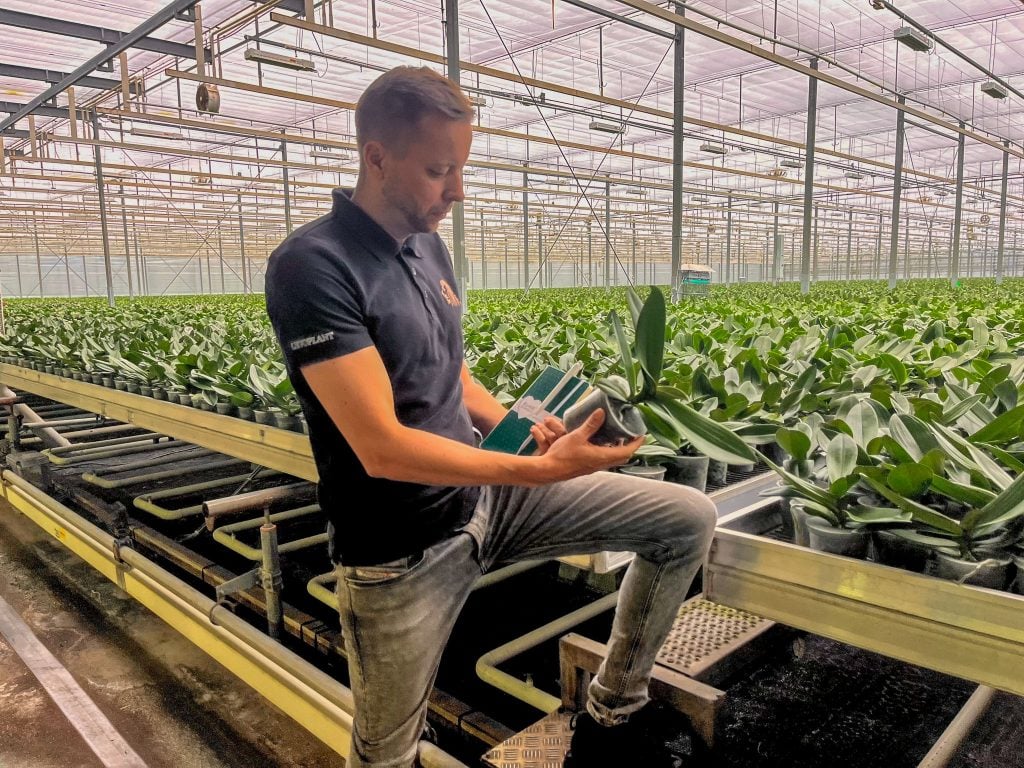
“We also use sensors to measure leaf temperature and radiation and have experimented with biosensors,” Danny explains.
“These sensors monitor electrical signals within the plant and give insight into the plant’s internal balance. They can indicate stress, such as drought or nutrient deficiency, allowing for targeted interventions to optimize growth.”
According to Danny, these sensors initially help validate a grower’s intuition with hard data: “Over time, you can really start managing based on that data.”
Optimizing biological pest control
Levoplant also aims to optimize biological pest control through data collection and analysis. Insect sticky traps are digitally scanned and analyzed by a dedicated app that identifies and counts the insects.
“You no longer need to be a biologist to assess a trap,” says Danny. “Just take a photo with an iPhone, anyone can do it. The data are uploaded to the LetsGrow platform, and historical data help us optimize our biocontrol strategies year after year.”
Collecting data is easy, but how to turn it into growth?
According to the cultivation manager, data-driven growing can deliver major gains.
“Innovative technologies help us work more sustainably and get the best out of the plant,” says Danny. “They also reduce the need for skilled labor, which is becoming increasingly scarce. And with data and computer technology, it’s easier to manage large growing areas, especially important as companies scale up.”
However, proper data analysis is key. “You can collect huge amounts of data, but what matters is drawing the right conclusions, and making the right cultivation decisions based on them. That’s how you get maximum value from your data. That’s why we have a full-time data analyst at Levoplant who focuses entirely on data analysis to help optimize our cultivation processes.”
Bad data = bad decisions: keep your sensors sharp
Still, there are risks, Danny warns: “If data aren’t processed correctly in the system, software bugs can occur. To prevent that, both sensors and hardware/software need to be well maintained. Sensors also need regular calibration. Otherwise, you risk deviations, and your data becomes unreliable. In short: everything depends on proper maintenance.”


Our knowledge
Tips & tricks, disease prevention, crop and market related information
Explore our knowledge