


 Whatsapp
 X
 Mail
 Copy link
180 European Trials Validate the future of Osmocote Innovation
Extensive grower trials demonstrate how the next generation of Osmocote technology combines performance, sustainability and innovation
On this page:
New Osmocote Biodegradable Coating Works in Multiple Conditions
Innovation in controlled release fertilizers does not happen overnight. It requires years of research, technical expertise and extensive validation under real growing conditions.
Throughout 2026, ICL conducted one of the largest validation programs ever undertaken for its next-generation Osmocote technology, with 180 trials carried out across 14 European countries.
The scale of the program reflects the approach that has made Osmocote the benchmark in controlled release fertilizer technology for decades: combining cutting-edge innovation with thorough validation before new solutions reach growers.
From different climate zones and substrate types to diverse crops and cultivation practices, since 2020 trials have run/have been running with a clear objective: ensure that the future biodegradable Osmocote coating delivers the same reliable nutrient release, plant performance and ease of use that growers have trusted for generations.
Trials have been conducted across Italy, France, Belgium, Germany, the United Kingdom, the Netherlands, Poland, Hungary, Ireland, Portugal, Austria, Sweden, Romania and Czechia. A broad range of crops and production systems have been included to evaluate performance under highly diverse growing conditions.
The next generation of Osmocote coating technology must work in all situations professional growers face, including:
- hot climate conditions
- different irrigation systems
- different substrate types, including peat, peat-reduced and peat-free growing media
- indoor and outdoor cultivation
- different application methods, including incorporation, top dressing and side dibbling
- different application rates
- low-pH growing environments
- variable growth starting conditions
Hundred and plus crop tested
A wide range of ornamental crops has been tested, including Elaeagnus, Euonymus, Myrtus communis, Nerium oleander, Rhododendron, Photinia fraseri, Calluna, Prunus lusitanica, Penstemon, Thuja, Juniperus stricta, Dianthus, Begonia, Spiraea and many others.
The images accompanying this article offer a glimpse into the scale of this effort. Hundreds of trial plots were monitored, measured and evaluated throughout the season and some are still going. They represent thousands of observations and countless hours of work by growers, researchers and technical specialists.
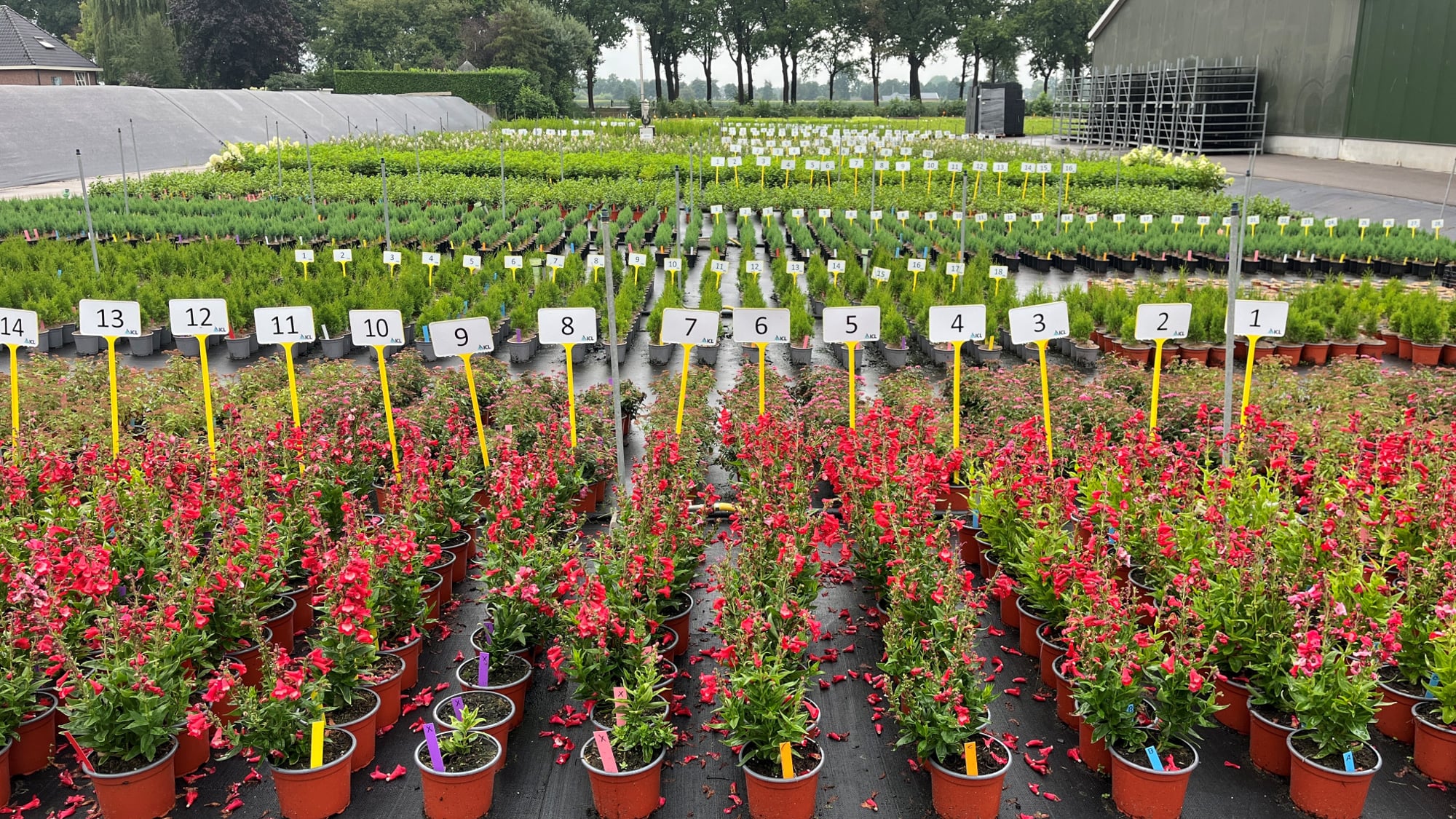
ICL Trial Station in Hoogenraad, The Netherlands – trials were performed in 11 different crops in 4 replicates. The trial station is equipped with an own well with 11 irrigtion lines and an own weather station.
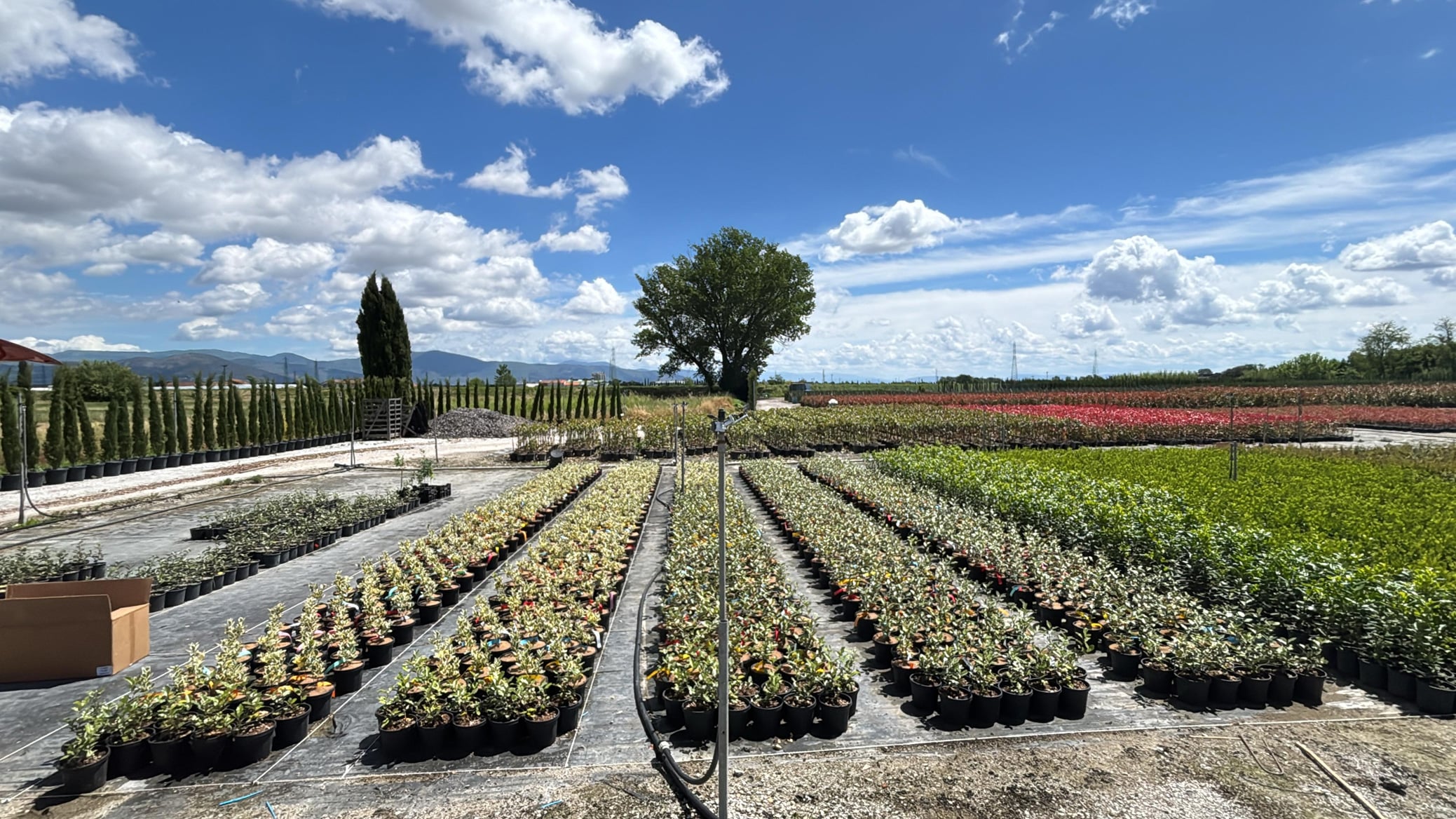
Tests in Pistoia, Italy, focused on the performance and color in hot climate in Eleagnus and Euonymus.
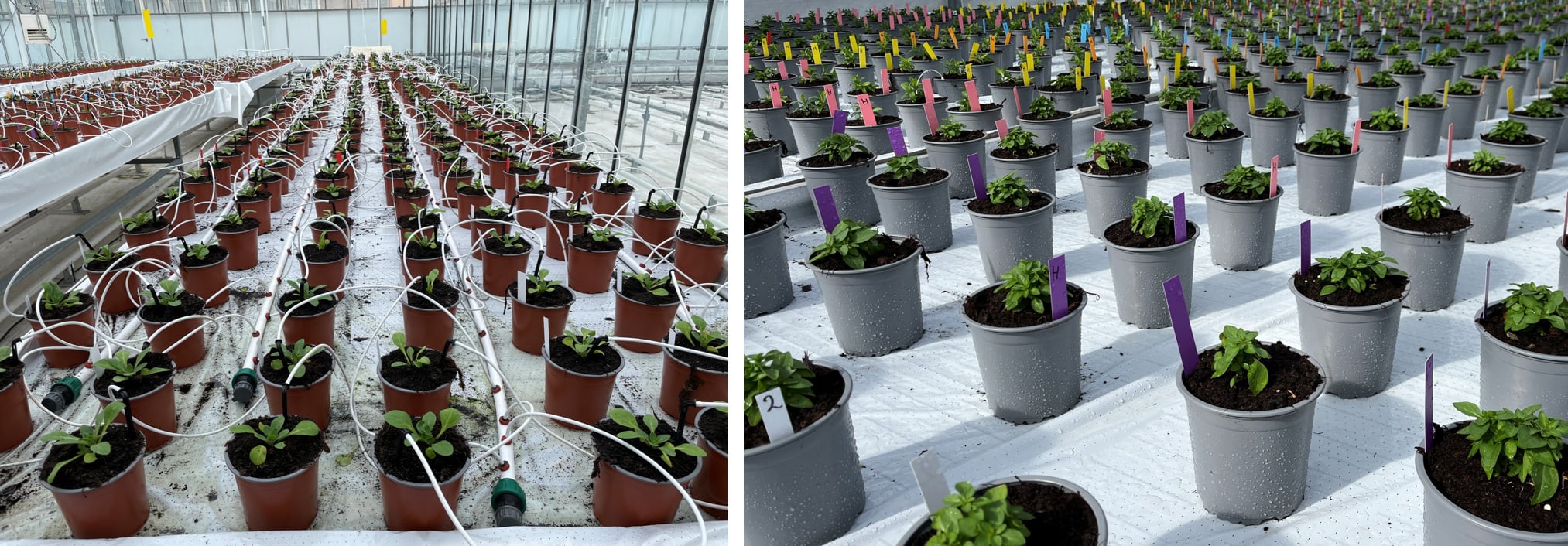
Pot trials in a greenhouse, the Netherlands.
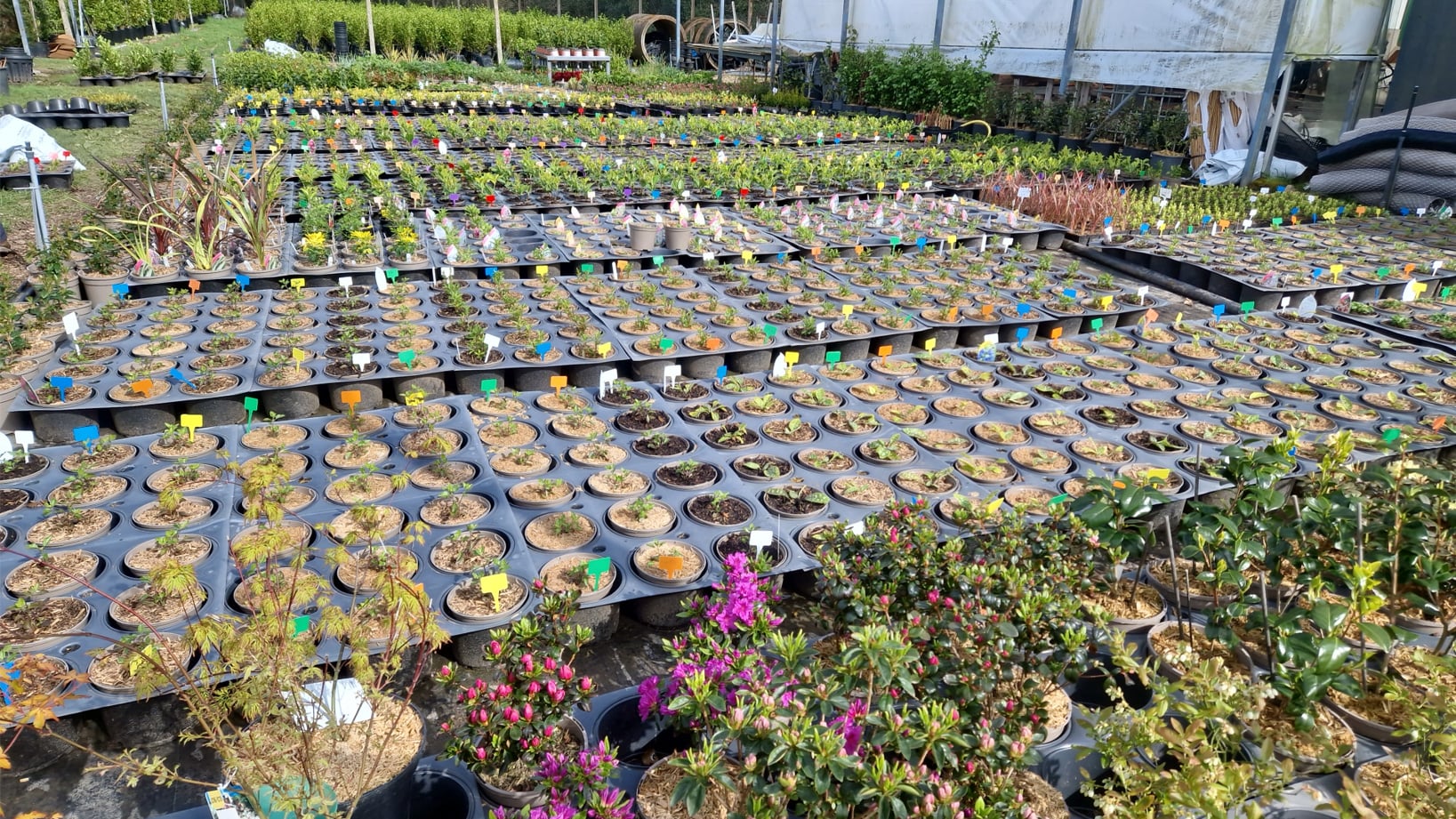
Tests in a peat-free substrate in 3 replicates were performed in southern England.
Beyond generating technical data, this ambitious trial program provides an opportunity to observe the performance of the new Osmocote technology under commercial production conditions. Working closely with growers, advisors and technical specialists, ICL is evaluating product behavior throughout complete crop cycles and across a wide range of climates, production systems and cultivation practices.
More importantly, these trials demonstrate the approach that has always defined Osmocote innovation: combining scientific expertise, practical testing and grower collaboration to deliver reliable, future-ready controlled release fertilizer solutions.
Osmocote: long tradition of innovation
The future biodegradable coating is the latest example of this commitment, supporting both the performance growers rely on today and the sustainability ambitions that will help shape ornamental horticulture tomorrow.
In this way, Osmocote continues a long tradition of innovation, helping growers meet the challenges of modern production through solutions that combine agronomic performance, environmental responsibility and the confidence that comes from extensive testing under real-world conditions.


Our knowledge
Tips & tricks, disease prevention, crop and market related information
Explore our knowledge